





The Ritual of Chai and Pakoras
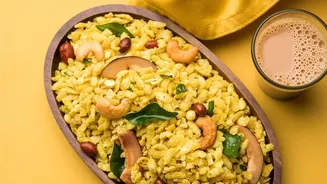
Arguably the most iconic monsoon pairing, masala chai and a plate of hot pakoras are more than just a snack; they're a cultural ritual. As the sky turns grey, the aroma of ginger, cardamom, and frying besan (gram flour) fills countless homes. This tradition
is rooted in both comfort and logic. The drop in temperature makes our bodies crave warm, energy-dense foods, and crispy, hot pakoras fit the bill perfectly. Whether it's the thinly sliced onion 'kanda bhaji' of Maharashtra, Bengal's delicate 'beguni' (eggplant fritters), or Rajasthan's spicy 'mirchi vada', each region has its own beloved version. This shared experience of huddling indoors, sharing a platter of fried goodness while the rain pours down, is a cherished memory for millions.
Bhutta: The Scent of Roasted Corn
The smoky scent of 'bhutta' (roasted corn on the cob) is synonymous with monsoon street corners. As the harvesting season for corn aligns with the rains, fresh cobs are available in abundance. Vendors roast them over hot coals, the kernels charring slightly, before rubbing them with a vibrant mix of lemon juice, salt, and chilli powder. This snack is not just delicious but also a healthier alternative to deep-fried options, offering fiber and B vitamins. Each bite delivers a perfect combination of smoky, tangy, and spicy flavours, evoking a deep sense of nostalgia for many. Whether enjoyed on a bustling street or at home, bhutta captures the simple, rustic joy of the season.
Samosas and Kachoris: The Ultimate Comfort Pastry
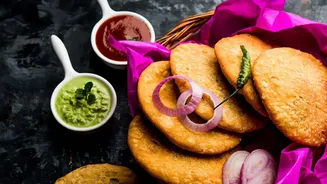
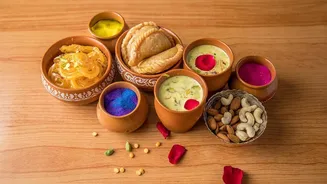
When the rain is relentless, few things are as satisfying as breaking into a hot, flaky samosa. This triangular pastry, typically stuffed with a savory mixture of spiced potatoes and peas, is a beloved snack across the country. Its crunchy exterior gives way to a warm, flavourful filling, making it an irresistible treat, especially when paired with tangy tamarind or fresh mint chutney. Similarly, kachoris—round, fried pastries often filled with spiced lentils or onions—offer another layer of indulgence. The craving for these rich, comforting foods is partly physiological; reduced sunlight during monsoon can lower serotonin levels, and our brains seek out carb-rich foods to get a quick mood lift.
Khichdi: The Nourishing Bowl of Comfort
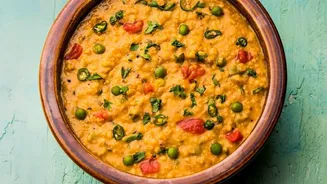
While fried snacks often steal the spotlight, the true soul food of the Indian monsoon is arguably a warm bowl of khichdi. According to Ayurveda, the ancient Indian system of medicine, our digestive fire (Agni) is weaker during the damp, humid monsoon season. Khichdi, a simple one-pot dish made from rice and lentils (like moong dal), is light, easy to digest, and incredibly nourishing. Often tempered with cumin, turmeric, and a dollop of ghee, it's a dish that soothes the gut and provides gentle warmth. From Bengal's elaborate 'khichuri' served with fried vegetables to Gujarat's soupy 'khichdi-kadhi', this humble meal is a testament to the wisdom of seasonal eating.
Soups and Stews: Warmth in a Bowl
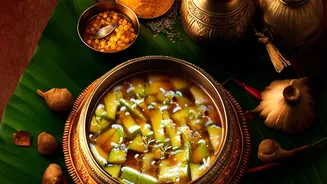
Beyond the snacks, the monsoon is a time for warm, liquid nourishment. In South India, a steaming bowl of rasam—a tangy, peppery soup—is essential. Its spicy, pungent flavour is believed to clear the sinuses and provide warmth to the body. Similarly, various regional stews and light curries become staples. Ayurvedic tradition recommends warm, cooked meals and thin soups to aid digestion during this season. Ingredients like ginger, garlic, turmeric, and black pepper, which are common in these preparations, are valued for their antibacterial properties and ability to boost immunity against seasonal ailments.
Seasonal Sweets: An Indulgent Tradition
The monsoon also brings its own array of special sweets. In Rajasthan and parts of North India, the festival of Teej is celebrated with Ghevar, a disc-shaped honeycomb sweet made from flour and soaked in sugar syrup. Traditionally, this rich sweet provides the calories and heat needed during the cooler, damp weather. Other popular rainy-day sweets include hot jalebis, with their crispy coils soaked in syrup, and warm gulab jamun. These sweets are not just about indulgence; they are deeply tied to festivals and family traditions that mark the rainy season, making the celebrations even sweeter.