



What's the right size pot?
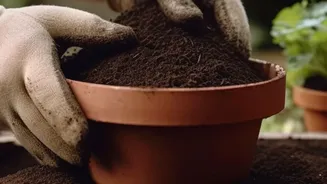
Bigger isn't always better when potting a lemon tree. A pot that is too large holds excess soil that stays wet for too long, which can lead to root rot. A good rule is to choose a container that is just a few inches wider in diameter than the plant's
current root ball. For a young starter tree, a pot that is 8 to 12 inches wide and at least 12 inches deep is a great starting point. As the tree grows, you should plan to repot it into a slightly larger container every few years. The goal is to upsize gradually, allowing the roots to comfortably fill their space before moving to the next size.
Does pot material matter?
Yes, the material of your pot affects how often you'll need to water. Porous materials like unglazed terracotta or wood dry out more quickly because they allow air and moisture to pass through their walls. This can be beneficial for preventing waterlogged soil but means you'll need to check the soil moisture more frequently. Non-porous containers, such as plastic, glazed ceramic, or resin, retain moisture for longer. These are lightweight and easier to move, which is a plus if you plan to bring your tree indoors for the winter. Regardless of the material, one feature is non-negotiable: excellent drainage. Your pot must have multiple, unobstructed drainage holes at the bottom to let excess water escape.
How often should I water my lemon plant?
There is no single, universal watering schedule. How often you water depends on many factors, including the pot size and material, soil type, climate, and the age of the tree. Instead of watering on a fixed calendar, get into the habit of checking the soil. The most reliable method is to stick your finger about two to three inches deep into the soil. If it feels dry at that depth, it's time to water. If it feels moist, wait another day or two and check again. During hot, windy summer weather, an outdoor potted lemon tree might need water every day or two, while in the cooler months, it might only need it once every week or two.
How can I tell if I'm overwatering?
Overwatering is one of the most common ways container-grown citrus trees fail. A key sign is yellowing leaves, especially if they are widespread and not just on old growth. Paradoxically, both overwatered and underwatered plants can look wilted. However, the leaves of an overwatered plant will often feel soft and limp, and the soil will be consistently soggy. In severe cases, you might notice the tips of the stems turning black or a moldy smell from the soil, which are signs of root rot. To avoid this, always check the soil before watering and ensure your pot has adequate drainage.
What are the signs of underwatering?
An underwatered lemon tree will also show you it's thirsty through its leaves. The first signs often include drooping or wilting, but unlike an overwatered plant, the leaves will feel dry and crispy. You might also see the leaves curling inward or developing dry, brown edges. If the lack of water continues, the plant will start to drop leaves to conserve moisture, and new growth may wither. While both over- and underwatering can cause leaves to drop, the texture of the leaves and the moisture level in the soil are the best clues to tell the two problems apart.
What about soil and drainage?
The right soil is just as important as the right pot. Lemon trees need a well-draining, well-aerated potting mix. Never use heavy garden soil in a container, as it will compact and retain too much water, leading to root suffocation. Look for a mix specifically formulated for citrus or cactus, or create your own using a base of potting soil mixed with ingredients like perlite, coconut coir, or pine bark fines to improve drainage and structure. To further boost drainage, it's a good practice to elevate your pot slightly using bricks or pot feet, ensuring water can flow freely out of the drainage holes and away from the container.