



The Soul of a ‘Cool Mat’
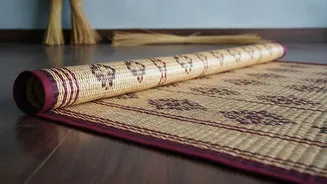
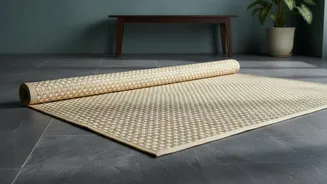
Sitalpati, which literally translates to “cool mat,” is a type of woven textile known for its naturally cool touch, making it a staple in the warm, humid climates of West Bengal, Assam, and Bangladesh. It is crafted not from fabric, but from the slender
green stems of a reed-like plant called Murta (Schumannianthus dichotomus), which grows in the region's marshy wetlands. The inherent quality of this plant fibre is what gives the finished mat its signature coolness. The finest Sitalpati mats are renowned for their glossy, smooth texture, with an old saying suggesting that a truly well-made one is so sleek that even a snake cannot glide across it. This unique combination of natural cooling and a silky finish has made it a cherished household item for centuries.
A Legacy Woven by Hand
The art of Sitalpati weaving is a generational skill, a cultural heritage passed down primarily through families in communities like those in West Bengal’s Cooch Behar district and the Sylhet region of Bangladesh. The entire family often participates in the craft; men typically handle the harvesting and preparation of the Murta reeds, while women are the master weavers who bring the mats to life. The process is laborious. Murta stems are harvested, soaked in water (sometimes rice water), and then painstakingly sliced into thin, pliable strips. These strips are then woven by hand, often in intricate geometric or floral patterns. Recognizing its cultural importance and the exquisite craftsmanship involved, the traditional art of Sitalpati weaving was inscribed on UNESCO's list of the Intangible Cultural Heritage of Humanity, cementing its global significance.
From Traditional Mat to Modern Decor
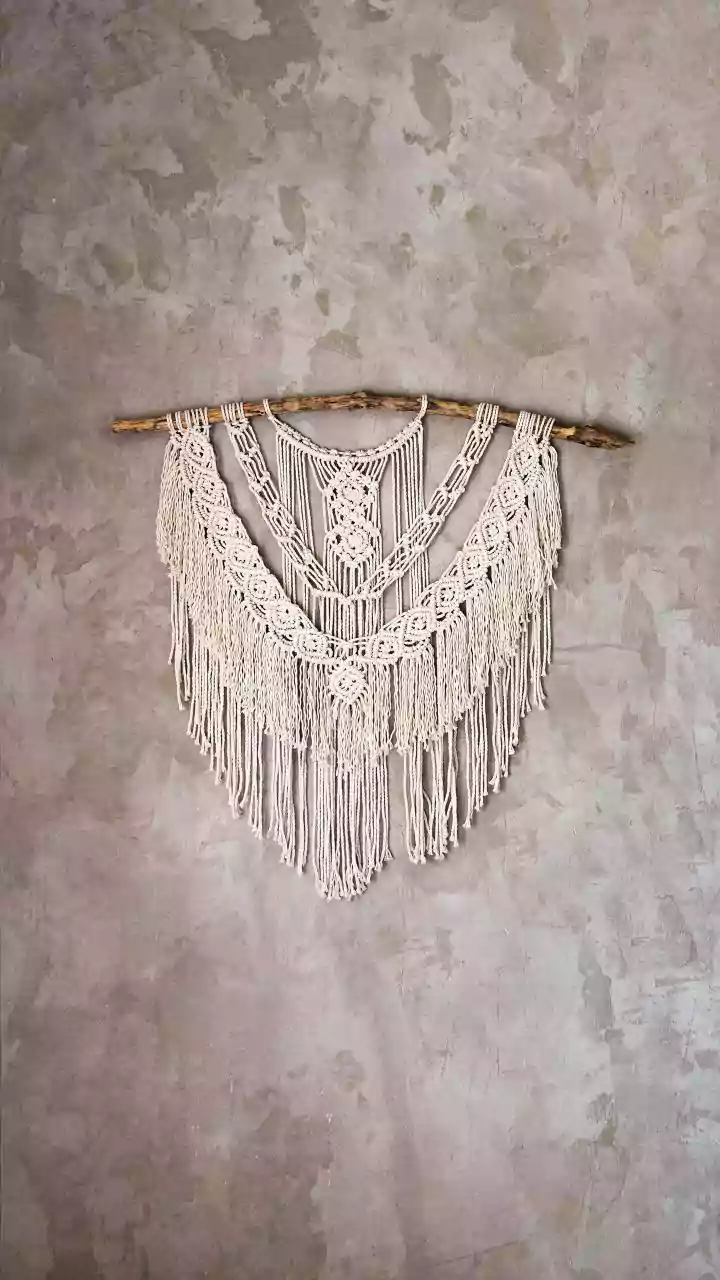
While traditionally used for sitting and sleeping mats, contemporary designers and decor enthusiasts have rediscovered Sitalpati for its versatile aesthetic appeal. Its neutral, earthy tones and subtle texture provide a perfect backdrop for a variety of interior styles, from minimalist to bohemian. The craft has evolved beyond floor coverings into a wide range of modern home accents. Today, you can find Sitalpati woven into elegant table runners, placemats, coasters, and even stylish lamp shades that cast a warm, diffused light. Some artisans are creating stunning wall hangings that serve as organic, textured art pieces, bringing a sense of nature indoors. This diversification not only introduces the craft to a new generation but also provides a sustainable livelihood for the artisan communities.
Bringing Sitalpati into Your Home
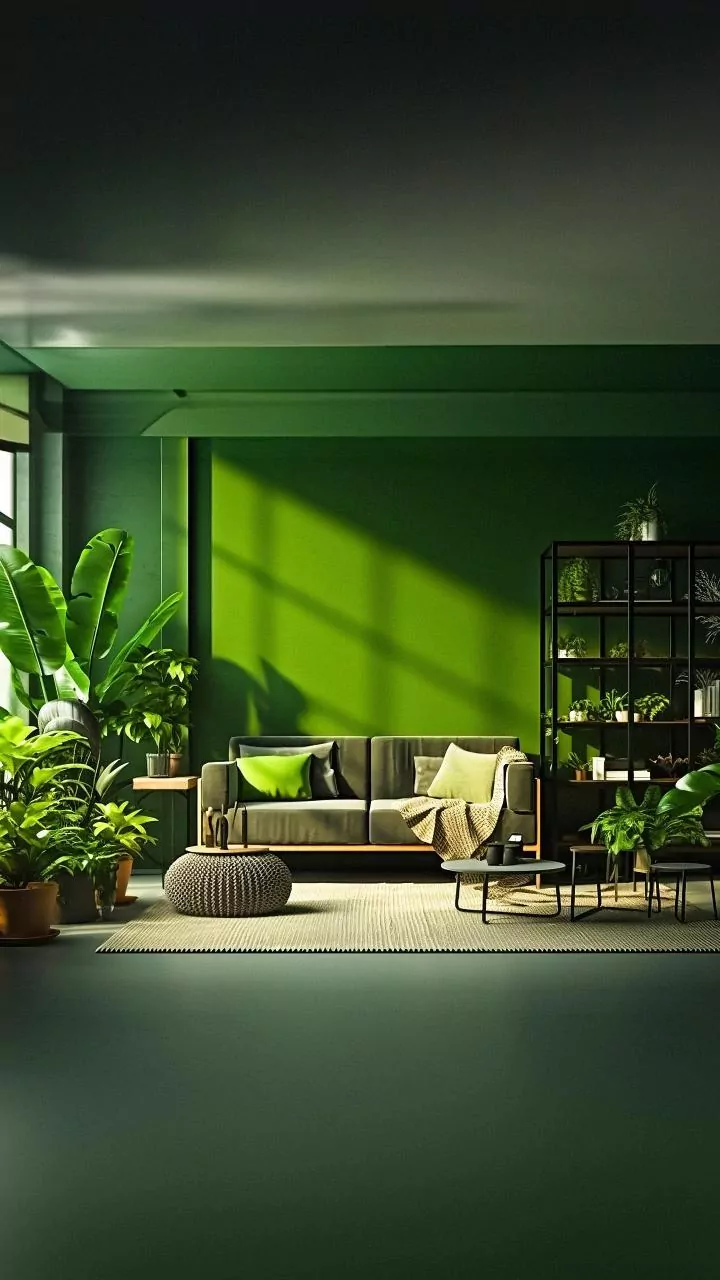
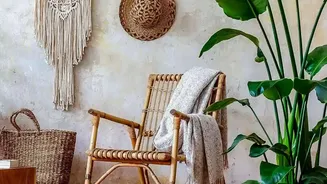
Incorporating Sitalpati into your home is an effortless way to add a layer of texture and quiet sophistication. A large Sitalpati mat can anchor a living room, defining the space with its natural charm while being wonderfully practical for sitting. In the bedroom, it can serve as a breathable, eco-friendly alternative to a synthetic rug. Don’t hesitate to think beyond the floor. A Sitalpati runner on a wooden dining table creates a beautiful play of textures, while placemats can add a rustic yet refined touch to your everyday meals. As a wall hanging, its simple elegance can create a serene focal point in a hallway or above a console table. The material pairs beautifully with natural woods, crisp white linens, terracotta, and indoor plants, reinforcing a connection to nature within your living space.