






The Vision for a New Space Coast
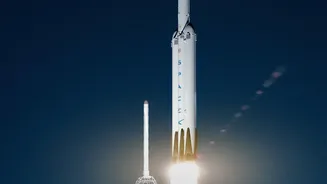
In late August 2026, SpaceX and Louisiana state officials announced the historic investment to develop the company's largest and fourth launch facility. The proposed site, located near Pecan Island on a vast 125,000-acre tract of coastal land, is designed
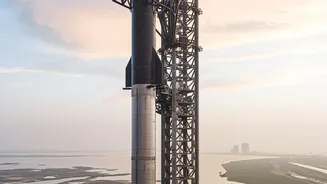
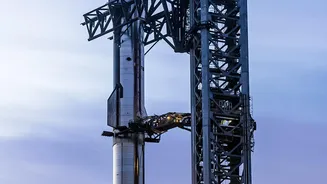
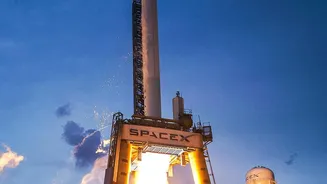
to be the engine of SpaceX's next-generation operations. Unlike existing facilities, Starbase Louisiana is envisioned as a fully integrated campus from day one. Plans include five separate launch complexes, each housing two launch pads for a total of ten, significantly dwarfing the company's current capabilities in Texas and Florida. The site will also feature its own propellant production, power generation, deep-water shipping access, and even an airport and employee housing, creating a nearly self-sufficient city dedicated to spaceflight.
Deconstructing the 'Thousands of Flights' Claim
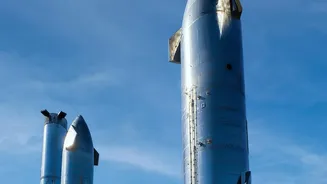
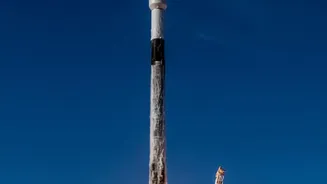
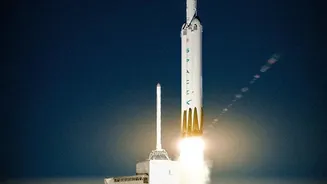
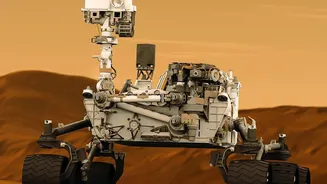
The headline figure of "thousands of flights a year" represents a launch cadence that would rewrite the rules of space access. To put it in perspective, the entire world conducted around 250 orbital launches in 2025. SpaceX's goal, as articulated by CEO Elon Musk, is to eventually reach over 30 Starship flights per day, which would total more than 10,000 launches annually. This high frequency is central to the company's long-term ambitions, including the deployment of a massive Starlink satellite constellation and the eventual colonization of Mars. The latter goal alone would require thousands of flights to transport crew, supplies, and fuel. While the Louisiana facility is being designed to support this dramatic increase, it's important to note this is a long-term theoretical capacity, not a near-term target. Construction is slated to begin in 2027, with the very first launch from the new site targeted for 2029.
Why the Pelican State?
Louisiana offers a unique combination of strategic advantages for SpaceX. Its Gulf Coast location provides ideal trajectories for launching satellites into orbit. The state also boasts a skilled workforce with generations of experience in complex industrial projects, particularly in the energy sector, which shares logistical parallels with rocket propellant handling. The $100 billion investment is projected to be transformative for the regional economy, creating an estimated 3,000 direct jobs with high average salaries and over 8,100 indirect jobs. The deal represents one of the largest economic development projects in Louisiana's history. The site itself, previously owned by Exxon, became available for development after the resolution of a long-standing lawsuit related to coastal damage, clearing the way for this new chapter.
The Road Ahead: Challenges and Commitments
Building a spaceport of this magnitude in an environmentally sensitive coastal marshland presents significant challenges. The schedule is aggressive, requiring extensive work on site preparation, infrastructure, and navigating a complex regulatory and environmental approval process before the first rocket can lift off. In its announcement, SpaceX acknowledged the unique environment and committed to extensive conservation efforts. The company is partnering with state and federal agencies on shoreline protection and marshland restoration projects aimed at rebuilding habitat and protecting against coastal erosion, which is a severe issue in the region. These environmental commitments are a core part of the project, which aims to integrate industrial operations with ecological restoration on a massive scale.