



The Protein Question
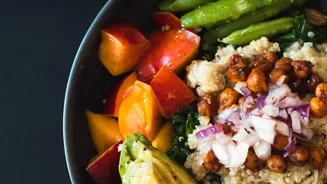
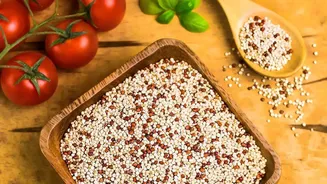
Quinoa's biggest claim to fame is that it's a 'complete protein', containing all nine essential amino acids your body needs. This makes it an excellent choice for vegetarians and vegans. Per 100 grams, uncooked quinoa offers about 14 grams of protein,
significantly more than the 7-8 grams found in ragi. However, this doesn't tell the whole story. Traditional Indian food culture rarely involves eating a grain by itself. Ragi is almost always paired with dal, sambar, or buttermilk. These combinations create a complete amino acid profile, fulfilling the same nutritional goal as quinoa. So, while quinoa wins for convenience in a single food, ragi achieves the same result within a traditional Indian meal.
A Showdown of Minerals
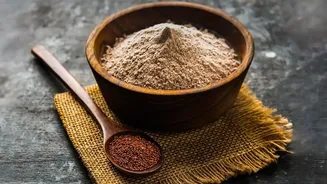
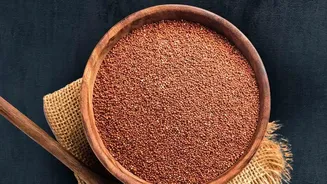
This is where ragi, or finger millet, truly shines and pulls ahead. Ragi is a powerhouse of calcium, containing about 344 mg per 100 grams. In comparison, quinoa provides only about 47-198 mg. For Indian diets, which can often be deficient in calcium, ragi offers a massive advantage for bone health. When it comes to iron, the numbers are more competitive, with some data suggesting quinoa has a slight edge (around 4.6-7.5 mg) over ragi (around 3.9-4.6 mg). However, other sources note that certain millets like bajra (pearl millet) contain far more iron than quinoa. Ragi also holds its own with a good supply of magnesium and potassium.
The Fibre and Gut Health Factor
Both grains are excellent sources of dietary fibre, which is crucial for good digestion, feeling full for longer, and managing blood sugar levels. Numbers vary slightly across sources, but ragi generally contains around 11 grams of fibre per 100g, while quinoa has about 7 grams. This high fibre content gives both grains a low-to-medium glycemic index (GI), with ragi at approximately 54 and quinoa around 53. This means they release sugar into the bloodstream slowly, preventing the sharp spikes associated with refined grains like white rice or maida. Their fibre content makes both ragi and quinoa great options for weight management and for individuals managing diabetes.
Cost, Climate, and Culinary Use
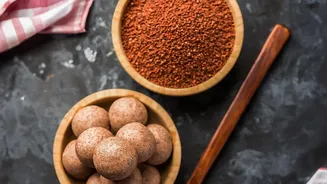
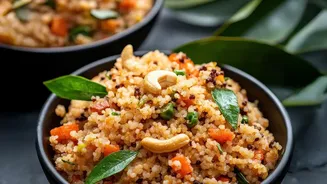
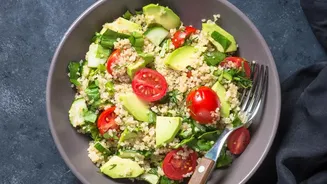
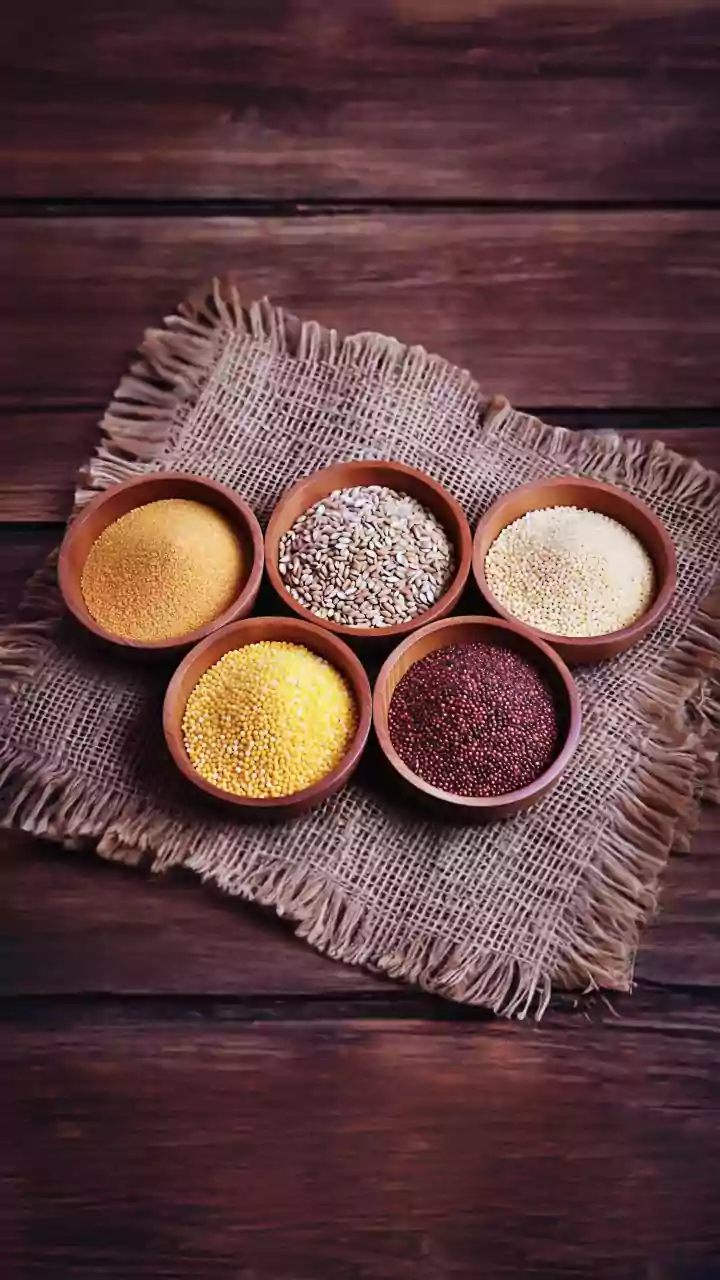
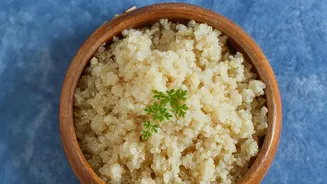
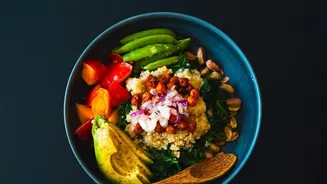
For the Indian consumer, this is perhaps the most significant difference. Quinoa is largely imported from South America, making it significantly more expensive than locally grown millets. Ragi, on the other hand, has been cultivated in India for centuries. It is a hardy, drought-resistant crop that thrives in Indian agricultural conditions, making it not only more affordable but also a more sustainable and climate-friendly choice. From a culinary perspective, ragi is deeply integrated into Indian cooking, used for everything from rotis and dosas to porridge and ladoos. Quinoa's texture and taste are less familiar, often used as a substitute for rice in salads, pulao or upma.