





The International Energy Agency (IEA) has sounded the alarm once again, warning that global fuel markets face persistent threats to supply and pricing. For consumers in India and businesses nationwide, this means the era of volatile petrol and diesel
costs is far from over.
A Market on Edge
In a recent address during Singapore International Energy Week, IEA Executive Director Fatih Birol delivered a sobering message: there is no 'credible pathway' for energy markets to return to the stability seen before the conflict in the Middle East began in late February. This protracted instability, driven by geopolitical conflict and supply disruptions, is keeping oil prices elevated, with Brent crude recently hitting a nearly six-month high of $117 per barrel. The IEA's latest monthly report reinforces this caution, highlighting that while some supply has recovered, renewed attacks in the Gulf leave the situation fragile. The agency has revised its forecasts, now projecting a significant 2.6 million barrel-per-day decline in global oil demand for 2026, driven by soaring prices and a weakening economic outlook.
Geopolitical Flashpoints Driving Prices
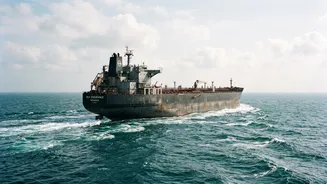
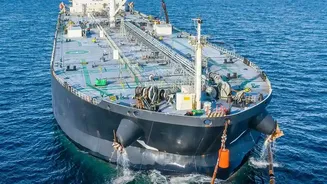
The primary driver of market anxiety remains the conflict centered around Iran and the crucial Strait of Hormuz, a channel for about 20% of the world's oil. Attacks on shipping and energy infrastructure in the region, including Houthi attacks on Saudi Arabia, have created a significant 'geopolitical risk premium' on crude oil prices. This premium means that even when fundamentals might suggest lower prices, the constant threat of escalation keeps them high. Analysts note that Brent crude is trading nearly $20 above what fundamentals alone would imply, a direct consequence of the conflict. This tension has effectively fractured established supply chains, creating a ripple effect across the globe.
The Pinch on Diesel and Refined Fuels
The crisis is not just about crude oil; it's acutely felt in refined products, especially diesel. The IEA has highlighted that diesel markets are under 'significant strain' and that the tightness is likely to persist well into 2027. Global diesel exports have fallen sharply as disruptions in the Middle East and Russia cut a combined 1.3 million barrels per day from the market. This has a direct economic consequence, raising the cost of transportation, goods, and agriculture, which heavily rely on diesel. Record-high diesel prices are contributing to inflation and impacting real incomes globally. The situation is compounded by refinery maintenance and reduced output in key regions, which further squeezes the availability of not just diesel but also jet fuel.
What This Means for India
For India, a nation heavily dependent on imported oil, this global volatility has direct and significant consequences. Sustained high crude prices, hovering around $100-$115 per barrel, place immense pressure on the country's import bill and foreign exchange reserves. This pressure inevitably translates to the prices consumers pay at the pump for petrol and diesel. While domestic prices have seen periods of easing, the underlying global market instability means that the threat of price hikes remains constant. Higher fuel costs drive up transportation expenses for everything from vegetables to consumer goods, fueling domestic inflation and impacting household budgets across the country. The IEA's grim forecast suggests that Indian businesses and consumers alike should prepare for a prolonged period of uncertainty and potentially elevated fuel costs.