


From Pungent to Perfumed: The Magic of Roasting
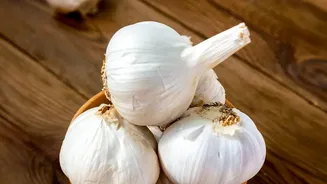
Raw garlic owes its aggressive, pungent character to a compound called allicin, which forms when the cloves are cut or crushed. Roasting, however, sets off a completely different chemical reaction. The sustained heat deactivates the enzyme that creates
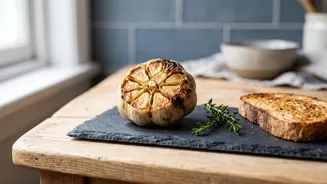
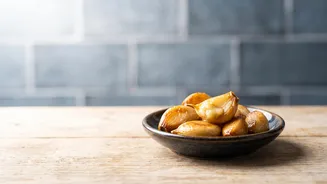
allicin's sharpness and instead coaxes out the natural sugars within the cloves. This process, which includes caramelization and the Maillard reaction, is what transforms the garlic. The result is a soft, spreadable texture and a flavour profile that is nutty, rich, and deeply sweet, with a savoury umami depth that is far from the bite of its raw form. It becomes gentle, creamy, and complex, making it a surprisingly versatile ingredient.
A Home Cook’s Secret Weapon
The headline's claim is spot on: roasted garlic provides such a profound depth of flavour that it reduces the need for a host of other seasonings. While raw garlic adds a sharp, high note, roasted garlic provides a rich, savoury base. Its creamy consistency allows it to melt and integrate seamlessly into sauces, soups, and gravies, providing body and a foundational sweetness. This mellow character means you can use it more generously than raw garlic without overpowering a dish. It builds a complex flavour that doesn’t shout, but rather supports and enhances the other ingredients. This is especially useful in simple sauces where you want maximum flavour from minimal components.
Your Simple Guide to Roasting Garlic
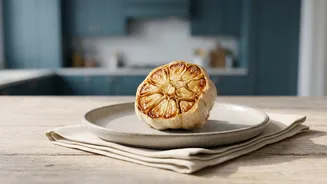
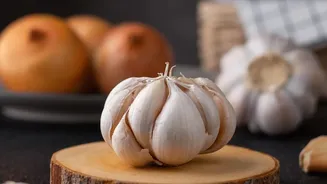
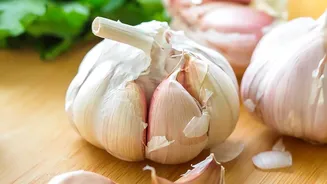
The process is beautifully simple and requires minimal active time. To start, preheat your oven to around 200°C (400°F). Take a whole head of garlic and, using a sharp knife, slice off the top quarter to expose the individual cloves. Place the head on a piece of aluminium foil, drizzle it generously with olive oil, and sprinkle with a pinch of salt if desired. The oil helps the garlic to brown evenly and develop a rich, silky texture. Wrap the foil around the garlic head to create a sealed packet. Bake for about 40 to 60 minutes. You’ll know it’s done when the cloves are soft, golden brown, and exquisitely fragrant. Let it cool slightly before handling.
How to Use Your Golden Treasure
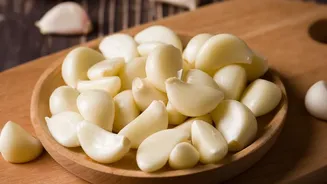
Once roasted, the soft cloves can be easily squeezed out of their papery skins. From there, the possibilities are nearly endless. As the headline suggests, mashing the cloves and stirring them into pasta sauces, curries, or pan sauces is a primary use. But don't stop there. You can spread the creamy cloves directly onto toasted bread, mix them into softened butter to create a flavourful compound butter, or whisk them into salad dressings for a sweet, garlicky note. It is a fantastic addition to mashed potatoes, hummus, or dips. You can even stir the paste into scrambled eggs or mix it into ground meat for burgers or kebabs.
Storing Roasted Garlic for Later
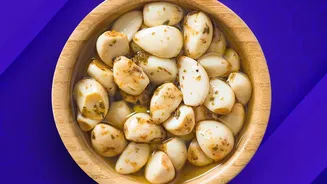
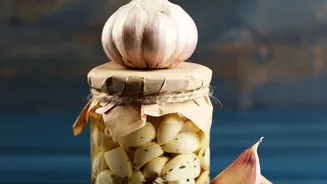
Making a large batch of roasted garlic is a great way to have this flavour enhancer on hand. Once cooled, you can store whole roasted heads in an airtight container in the refrigerator for about four days. For longer storage, squeeze the cloves out, place them in a jar, and cover them with olive oil; they will last for about a week or two this way in the fridge. For long-term storage, you can freeze the roasted cloves. A popular method is to mash the cloves into a paste, portion it into an ice cube tray, and freeze. These frozen cubes can be dropped directly into soups and sauces whenever you need a quick and easy flavour boost.