







Why Parks Close for Monsoon
Most of India's premier tiger reserves, particularly in the central and northern regions, shut their core zones from July to September. This annual closure isn't just a break; it's a vital period for ecological regeneration. The heavy monsoon rains make
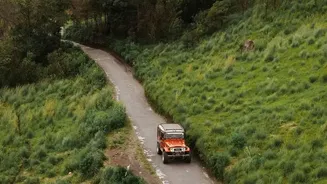
dirt tracks impassable and dangerous for safari vehicles. More importantly, this quiet period allows the forest ecosystem to recover from a long tourist season and provides privacy for animals during their crucial breeding months. When the gates reopen, visitors are greeted by a forest that is rested, repaired, and bursting with life.
The Post-Monsoon Green Advantage
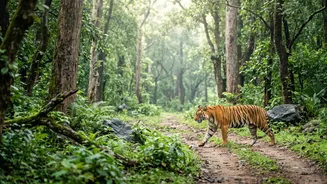
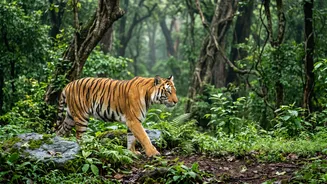
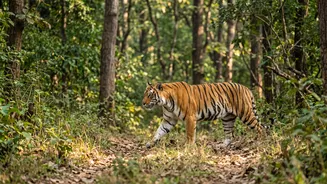
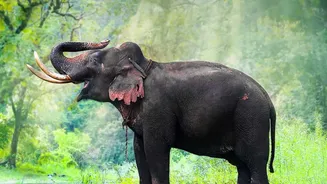
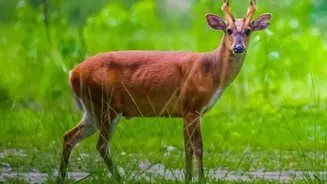
An October safari offers a dramatically different aesthetic compared to the hot, dusty landscape of April and May. The entire forest is cloaked in a thick blanket of green, water bodies are full to the brim, and the air is clean and crisp. This makes it a photographer's dream, with vibrant backdrops and soft, clear light. The pleasant weather, with comfortable daytime temperatures, makes for a more enjoyable safari experience. Furthermore, it’s not just about tigers. The lush vegetation supports a wide array of herbivores like deer and bison, and the wetlands attract a variety of resident and migratory birds, making it a fantastic time for birdwatching.
Managing Tiger Sighting Expectations
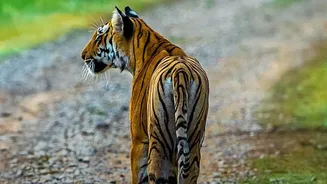
The primary trade-off for this stunning scenery is tiger visibility. In the dry summer months, tigers are often forced to congregate around the few remaining waterholes, making them easier to find. In October, with water sources abundant and the undergrowth thick and high, the big cats are more dispersed and better camouflaged. While sightings can be more challenging, they are by no means impossible. Parks with high tiger densities still offer good chances. The experience becomes less about a guaranteed sighting and more about appreciating the entire, thriving ecosystem in its most beautiful state. Animals are generally more active and on the move after the rains.
Key Reserves Reopening in October
Many of India's most famous tiger habitats welcome visitors again as October begins. Tadoba-Andhari in Maharashtra and Kanha in Madhya Pradesh typically reopen their core zones on October 1. Jim Corbett in Uttarakhand begins a phased reopening, with its Bijrani and Jhirna zones usually accessible around mid-October, though the core Dhikala zone opens later in November. Bandhavgarh and Pench in Madhya Pradesh often reopen around October 15. In Rajasthan, Sariska and Ranthambore also typically start safaris from October 1, offering a mix of wildlife and historical ruins. Always check the official park websites, as dates can vary slightly each year.
How to Plan Your Early-Season Safari
Booking an October safari requires planning. Safari permits, especially for popular zones in parks like Kanha and Bandhavgarh, are released online by state forest departments weeks or even months in advance and sell out quickly. For example, permits for Madhya Pradesh parks for the October season often become available in August or September. It is crucial to book your permit before you book flights or hotels. Permits are booked through official state government portals, not third-party websites. For accommodation, book lodges near the specific safari gate you have a permit for to avoid long travel times before your early morning start. Since the season is just beginning, you may also benefit from fewer crowds compared to the peak winter months.