



Why the Monsoon Magnifies Risk
The combination of high humidity and moisture creates an ideal environment for bacteria, fungi, and viruses to thrive. During the rainy season, stagnant water and contaminated soil can introduce harmful pathogens to vegetables. Outbreaks of foodborne
and waterborne illnesses like gastroenteritis, food poisoning, typhoid, and cholera become more common. The excess moisture means produce spoils faster, and the journey from farm to market stall offers many opportunities for contamination with dirt, germs, and pests.
Inspect Before You Select
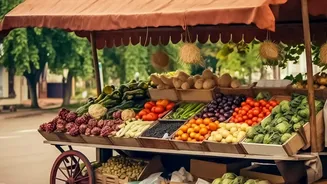
Your eyes are your first and best tool at the vegetable stall. Be meticulous in your inspection. Look for vegetables that are firm, fresh, and brightly coloured. You should actively avoid any produce that appears wilted, slimy, bruised, or has visible signs of mould. Any cuts or damage on a vegetable's skin can be an entry point for bacteria. Pay close attention to smell; an unpleasant odour is a clear sign of spoilage. It's also wise to steer clear of pre-cut vegetables. While convenient, the increased surface area and handling make them much more likely to harbour bacteria, which multiplies rapidly in the monsoon's heat and humidity.
Be Cautious with Leafy Greens
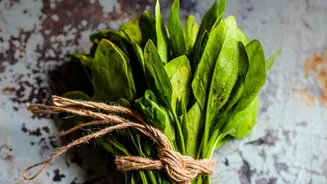
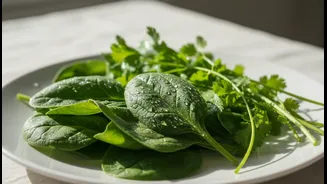
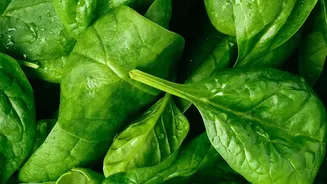
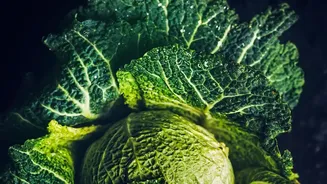
Leafy green vegetables like spinach, cabbage, and lettuce are particularly high-risk during the monsoon. Their many layers of leaves provide the perfect hiding spot for mud, dirt, tiny insects, and their larvae. The large surface area and moisture-retaining structure also make them highly susceptible to fungal and bacterial contamination. Even a thorough wash might not remove all hidden germs. If you do choose to buy them, be prepared for a rigorous cleaning process and ensure they are cooked thoroughly, as consuming them raw is not advised during this season.
The Challenge of Cruciferous Vegetables
Like leafy greens, cruciferous vegetables such as cauliflower and broccoli require extra caution. Their tightly packed florets can easily trap moisture, mud, and insects, making them very difficult to clean properly. This trapped moisture can promote the growth of mould and fungi deep inside the head of the vegetable, which may not be visible at first glance. Consuming these without meticulous cleaning and proper cooking can lead to digestive issues or infections. During the monsoon, it may be safer to opt for vegetables with a smooth, protective outer skin, like gourds (lauki, turai) and pumpkin.
The Definitive Home-Cleaning Process
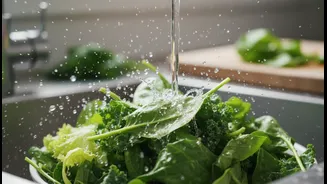
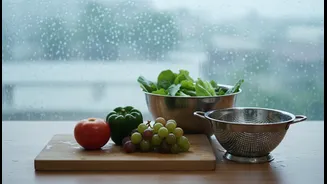
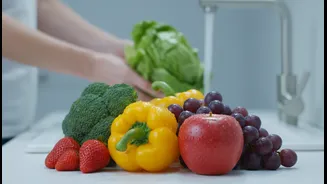
Once you get your vegetables home, the work isn't over. Start by washing your hands with soap and water for at least 20 seconds. First, rinse all produce under clean, running water to remove loose dirt. For an extra layer of safety, soak your vegetables for 10-15 minutes in a solution of salt water or a mix of one part white vinegar to three parts water. This can help draw out hidden insects and reduce microbial contamination. For leafy greens, separate each leaf and rinse it individually. For root vegetables with firm skin, use a clean vegetable brush to scrub the surface thoroughly. Finally, dry all produce with a clean cloth or paper towel before storing it in the refrigerator to prevent moisture from encouraging bacterial growth.