




The Vibe: Dance Party vs. Rolling Solo
The biggest difference between Zumba and roller skating lies in their atmosphere. Zumba is a group fitness class built around high-energy music and choreographed dance moves. It’s inherently social, creating a sense of community and shared energy that
can be highly motivating. If you thrive in a structured, party-like environment and enjoy learning routines, Zumba is a fantastic fit. Roller skating, on the other hand, offers more freedom. It can be a solo, meditative activity or a casual hangout with friends. It taps into a sense of nostalgia and play, allowing you to achieve a mindful 'flow state' as you focus on balance and movement. You choose the location, the music, and the pace, making it ideal for those who prefer flexibility over a formal class structure.
The Workout: Calorie Burn and Muscles Worked
Both activities provide an excellent cardiovascular workout. A typical hour-long Zumba class can burn between 300 and 600 calories, depending on the intensity and your body weight. It functions like an interval workout, with high-energy bursts followed by lower-intensity recovery, which is great for calorie burn. Roller skating at a moderate pace for an hour can burn around 400-500 calories. From a muscle perspective, Zumba offers a true full-body workout, engaging your arms, core, and legs through its varied dance moves. Roller skating is a powerhouse for the lower body, specifically targeting the glutes, quads, and hamstrings. It also heavily engages your core muscles to maintain balance and stability.
Accessibility and Cost: Getting Started
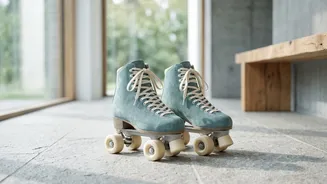
Your budget and location play a role in which activity is more convenient. To start Zumba, you typically need comfortable workout clothes and supportive shoes. The main cost is the class itself, whether through a gym membership or a drop-in fee. The good news is that Zumba classes are widely available at gyms and community centers. Roller skating requires a bigger initial investment: a pair of skates and essential safety gear like a helmet, wrist guards, and knee pads. Skates can range from affordable to expensive. Once you have the gear, however, you can skate for free in parks or on paved trails, though you might also pay for rink access. Finding a safe, smooth surface to skate on can be a challenge depending on where you live.
The Risk Factor: Staying Safe While You Sweat
Every exercise carries some risk of injury. In Zumba, the quick, twisting movements and side-to-side steps can lead to sprains or strains, particularly in the knees, ankles, and hips. Using proper footwear and paying attention to form can help mitigate these risks. For roller skating, the most common danger is falling. This can result in scrapes, but also more serious injuries like wrist fractures or even head injuries, which is why wearing protective gear is non-negotiable. On the plus side, roller skating is considered a low-impact activity, meaning it's gentler on your joints than high-impact exercises like running. Before starting any new exercise program, it's always a good idea to consult with a healthcare professional.
The Verdict: Which Fun Workout Wins?
There is no single 'better' option—only what's better for you. Choose Zumba if you love structured classes, dancing, and a social, high-energy atmosphere that feels like a party. It’s a fantastic full-body workout that's easy for beginners to jump into. Choose roller skating if you value freedom, want a low-impact but powerful lower-body and core workout, and enjoy a more independent or casually social form of exercise. It helps build incredible balance and allows you to take your workout outdoors. The most effective workout is the one you look forward to doing. Both Zumba and roller skating prove that aerobic exercise doesn't have to feel like a chore.