




From Tourist to Temporary Local
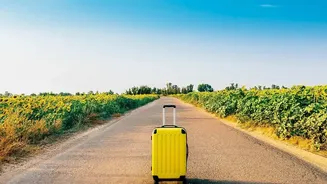
This shift has a name: slow travel. It's an approach that prioritizes quality of experience over quantity of sights seen. Instead of a frantic blur of airports and hotels, slow travel encourages you to settle into a single location for weeks, or even
months. The goal isn’t to see a place, but to understand it — to learn the rhythm of a neighbourhood, find a favourite coffee shop, and build genuine connections with the people who live there. It’s a mindset shift away from consumption and towards immersion, trading the stress of a packed schedule for the simple luxury of having time.
A Cure for Travel Burnout
The trend is partly a reaction against the pitfalls of hyper-tourism. Many travellers are familiar with the feeling of returning from a holiday needing another one to recover. The constant motion, the pressure to see every landmark, and the surface-level interactions can be exhausting. In the post-pandemic world, there’s a growing desire for more meaningful and restorative experiences. People are questioning why their precious time off should feel as stressful as their daily lives. Slow travel offers an antidote, allowing for a pace that is relaxing and enriching, rather than rushed and draining.
The Rise of the Indian Workation
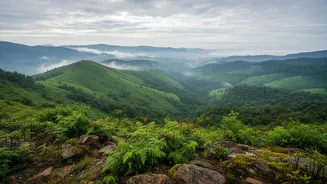
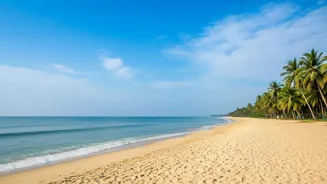
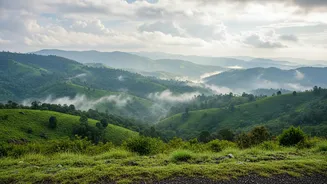
For many Indian professionals, this trend has been supercharged by the rise of remote and hybrid work. The concept of a 'workation'—blending work with leisure in a new location—has moved from a niche idea to a mainstream choice. A 2025 survey found that a third of Indian travellers now prefer working from natural settings. With improved internet connectivity and a range of affordable homestays and co-living spaces, professionals are swapping city desks for balconies in the hills of Himachal or beach shacks in Goa. It’s a way to escape urban burnout, use flexible work policies to the fullest, and explore the country without waiting for annual leave.
Deeper Connections and Smarter Spending
The benefits of staying put go beyond just relaxation. By spending longer in one place, travellers can forge more authentic connections, practice the local language, and gain a real understanding of the culture beyond the tourist trail. It’s also often more budget-friendly. Accommodation providers frequently offer significant discounts for weekly or monthly stays, reducing the per-night cost dramatically. Furthermore, you start to live like a local, shopping at markets and cooking some meals, which is easier on the wallet than eating out three times a day. This approach also has a lighter environmental footprint, with less carbon-intensive travel between destinations.
Embracing the Slower Pace
Adopting slow travel doesn’t mean you have to quit your job and live abroad for a year. It starts with a simple change in planning. Instead of asking “How many cities can I fit in ten days?”, ask “What’s one place I can get to know properly?”. Build free time into your itinerary. Leave space for spontaneity—for wandering down an interesting-looking street or accepting an invitation from a local you’ve met. The focus is to let the destination reveal itself, rather than trying to conquer it. It's about finding the joy in the journey itself, not just the arrival.