

The Appeal of DIY Sun Protection
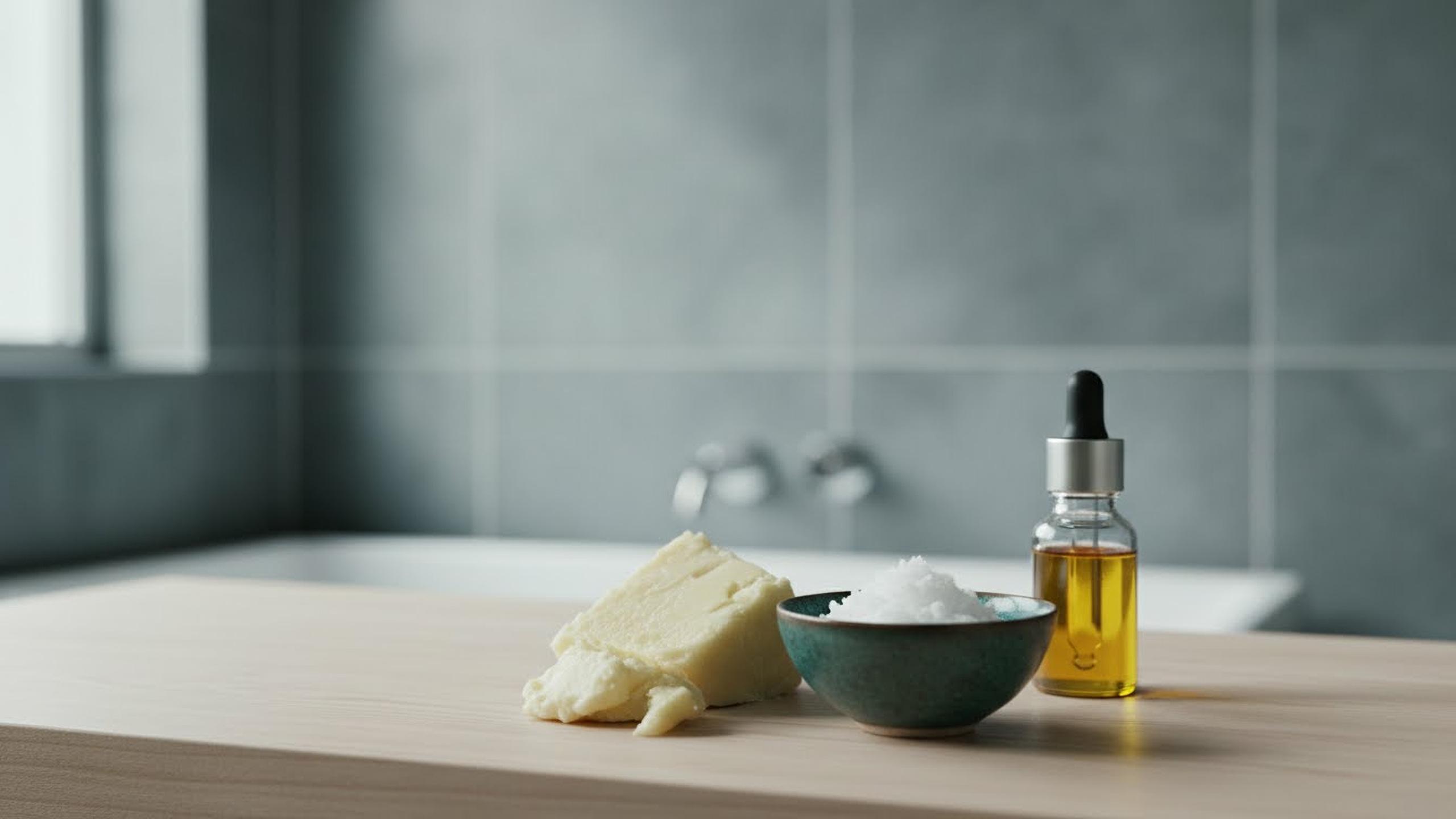
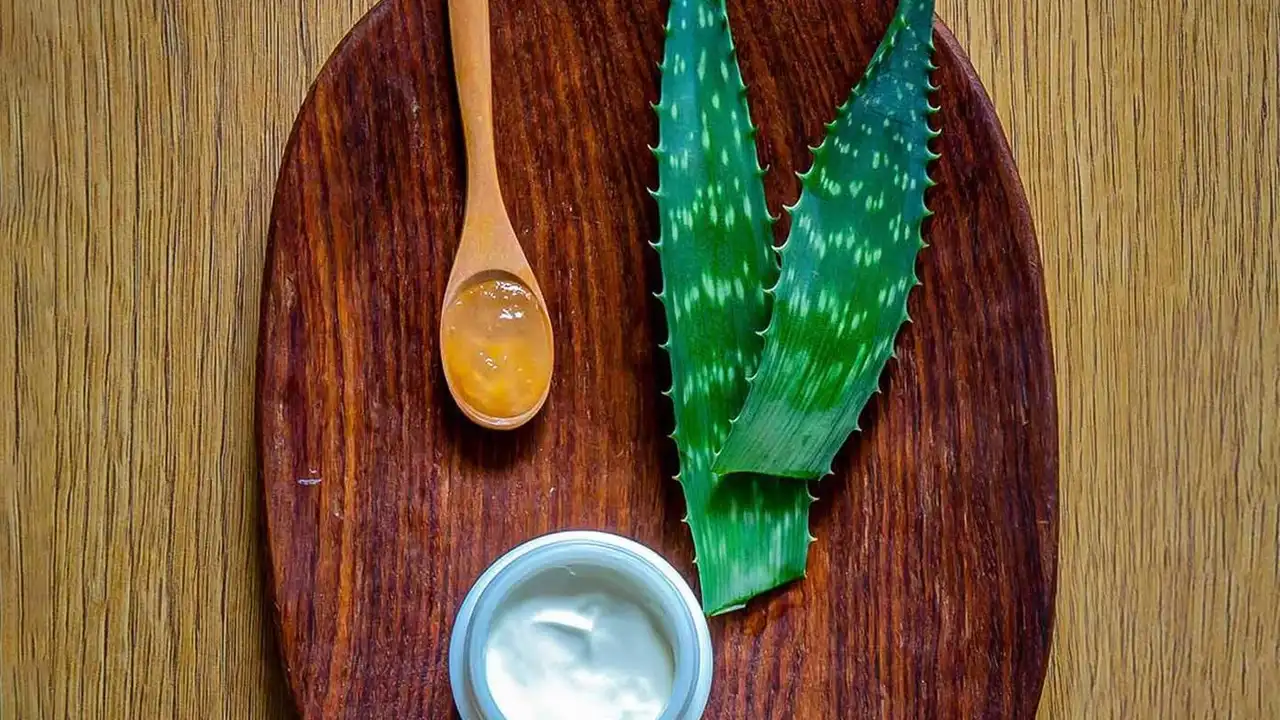
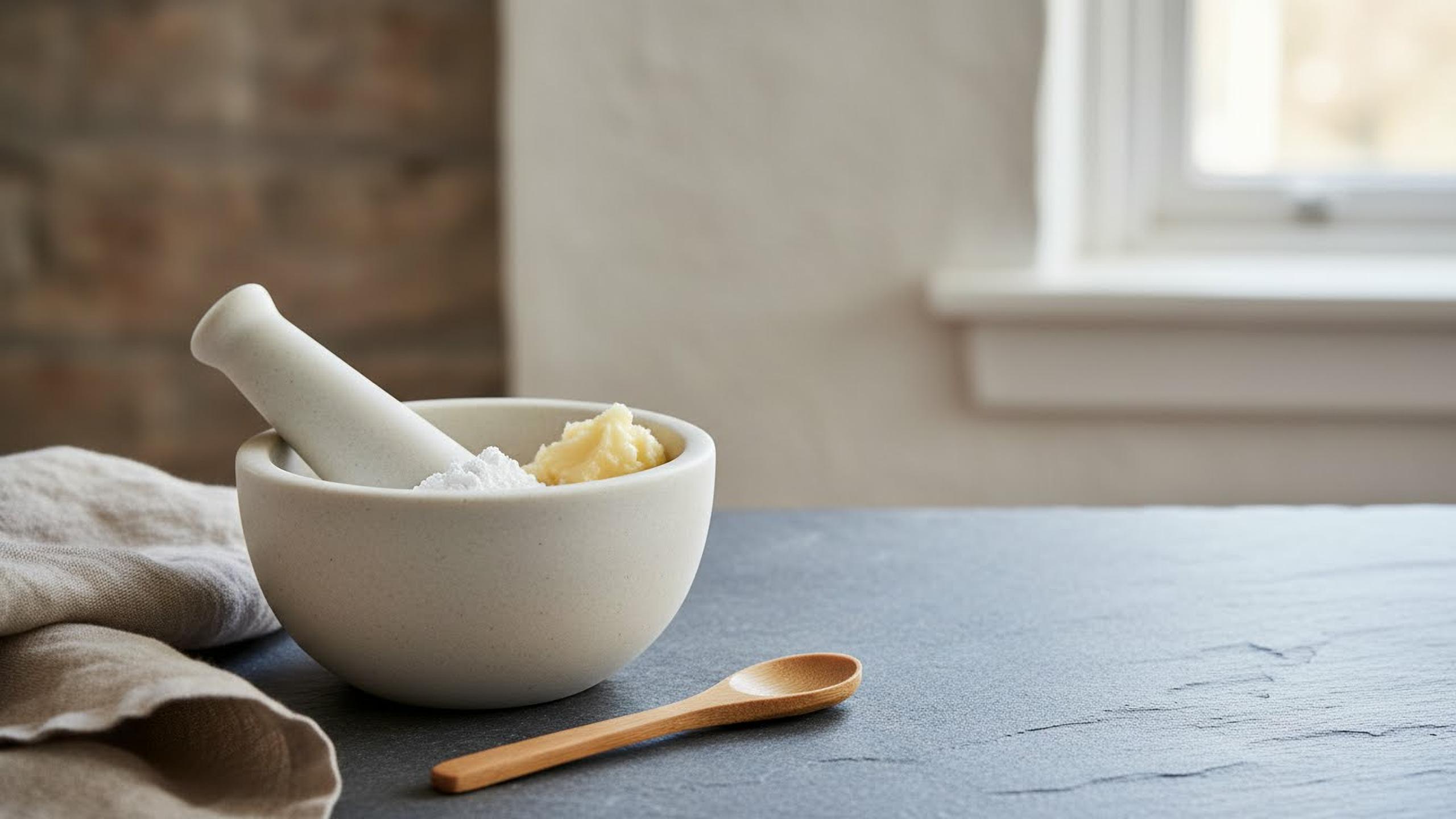
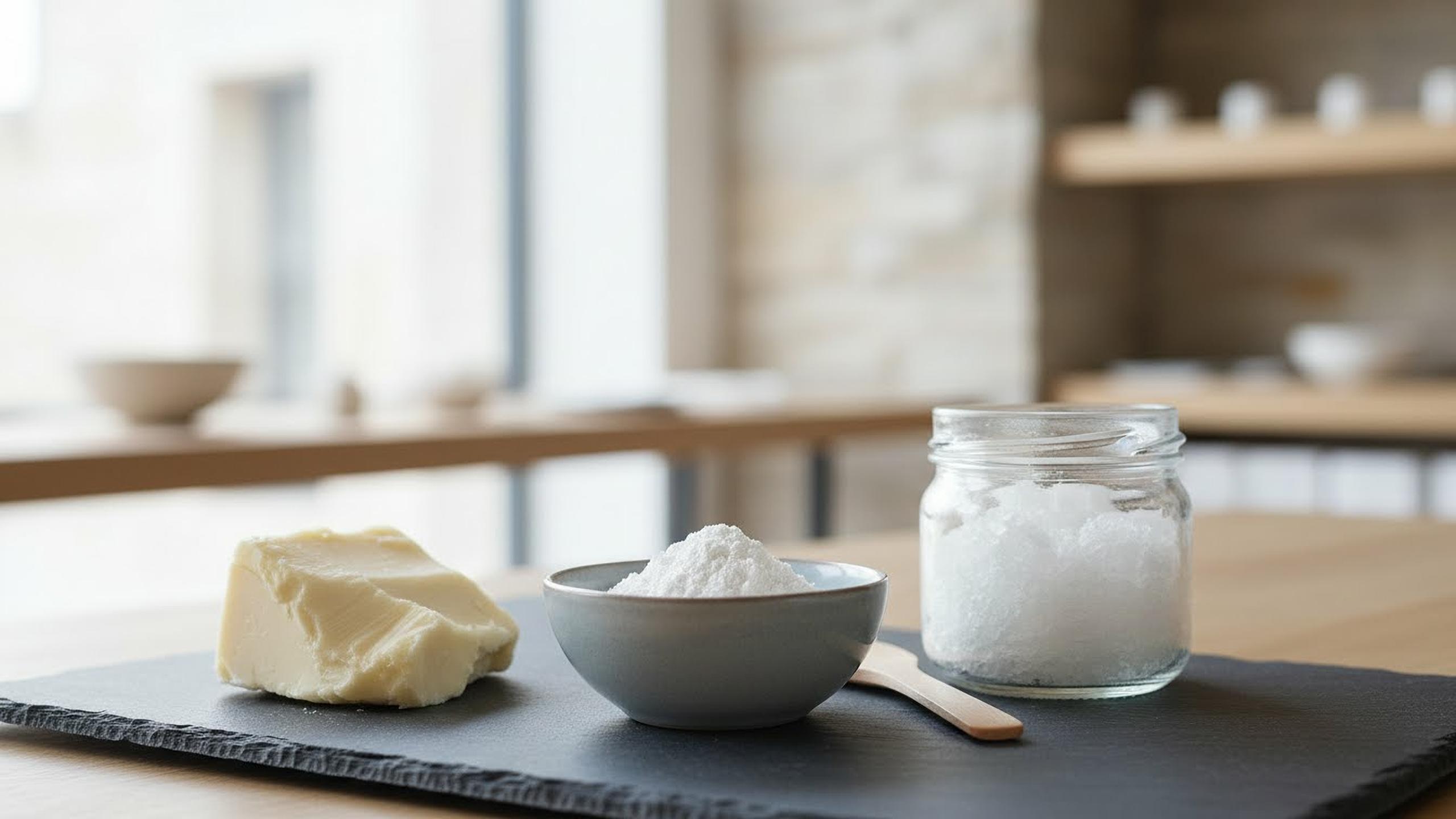
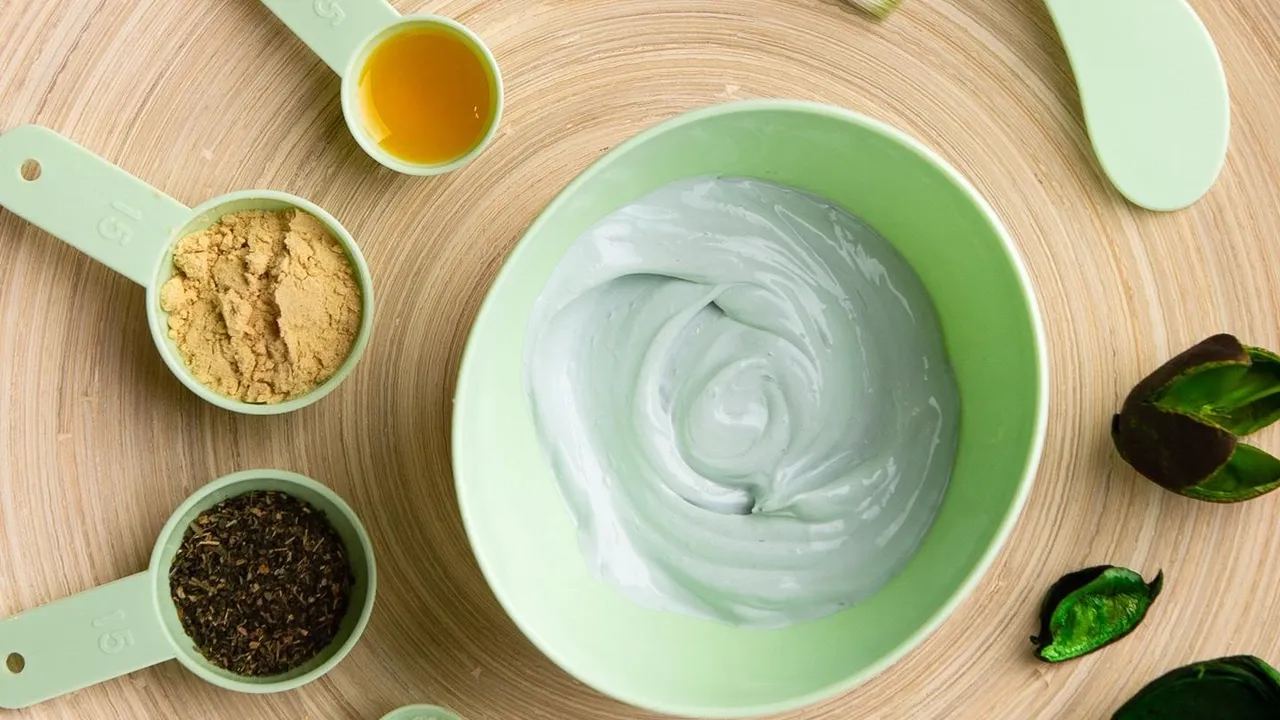
Social media is filled with recipes for homemade sunscreens, often promoting them as a natural, chemical-free, and cost-effective alternative to commercial products. The appeal is clear: you control the ingredients, using familiar items like coconut oil,
shea butter, and zinc oxide powder. For those concerned about synthetic additives or the environmental impact of certain chemicals, making sunscreen at home can feel like a responsible and healthy choice. The recipes promise effective protection without the long, intimidating ingredient lists found on store-bought tubes, tapping into a powerful desire for simplicity and purity in what we put on our bodies.
The Problem of Kitchen Chemistry
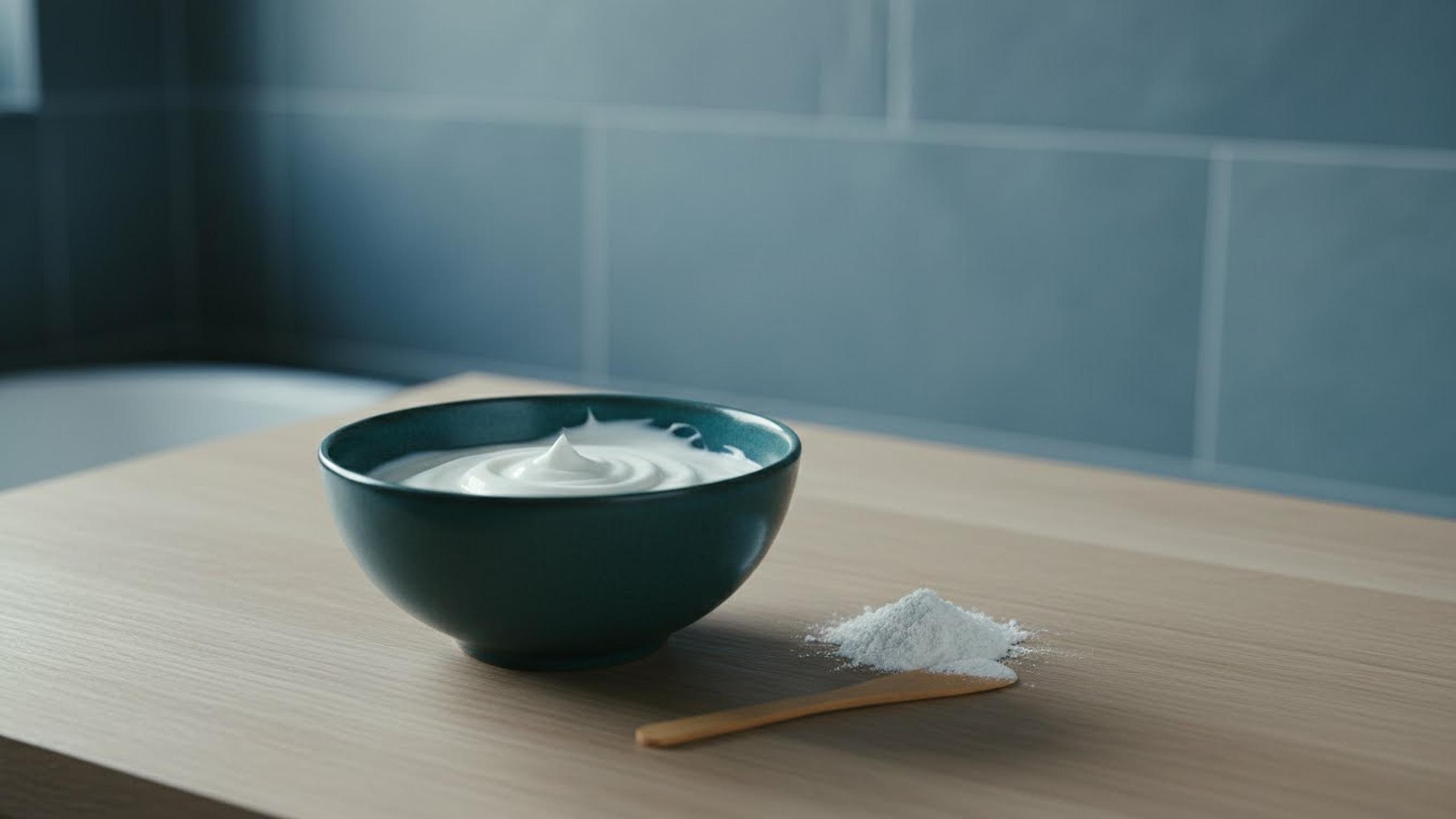
The fundamental flaw in DIY sunscreen lies in the formulation process. Creating an effective sunscreen is not as simple as just mixing ingredients that block the sun. One of the biggest challenges is ensuring that the protective particles, like zinc oxide, are evenly and consistently distributed throughout the mixture. Without specialized lab equipment for high-shear mixing, these particles can clump together, leaving parts of your skin completely exposed to harmful UV radiation. Commercial manufacturing uses sophisticated processes to create a stable emulsion, where the ingredients remain perfectly suspended. A homemade mixture can separate over time or even within minutes of being made, rendering it unreliable.
What 'SPF' Really Guarantees
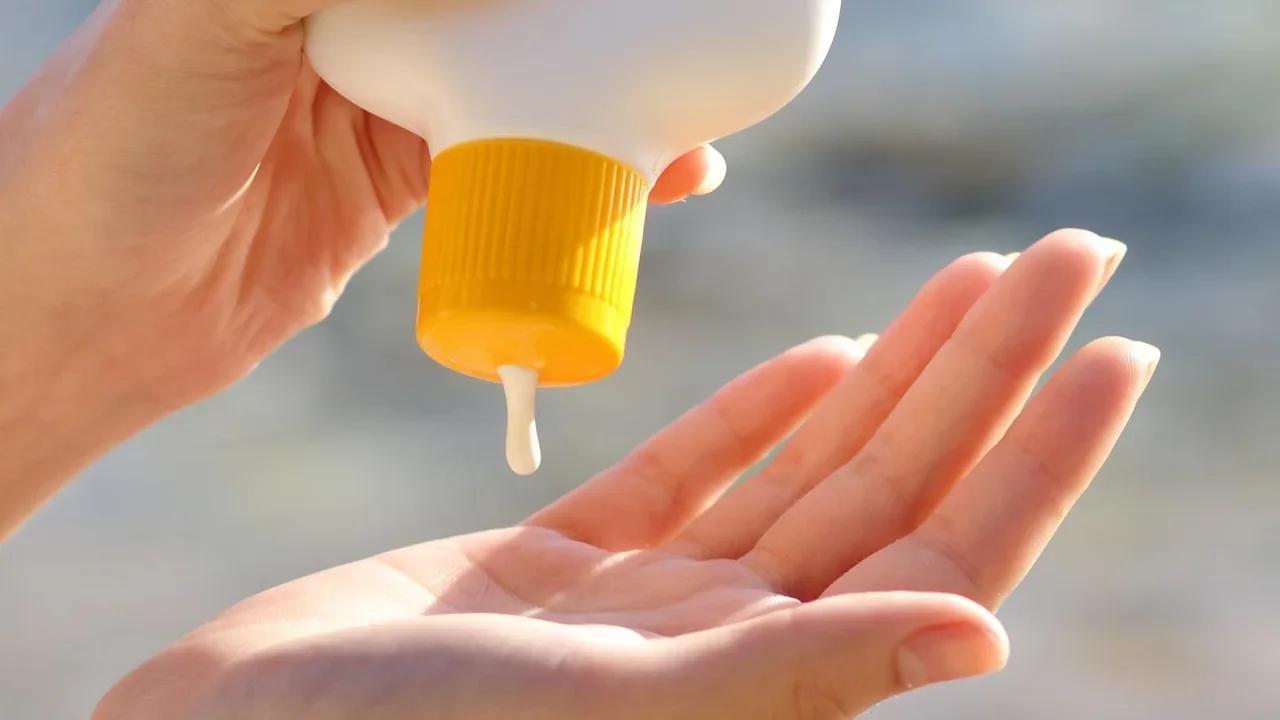
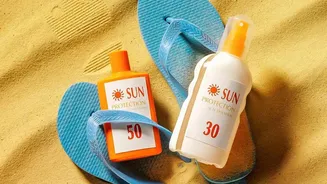
The Sun Protection Factor (SPF) rating on a commercial sunscreen is a promise of verified performance. In the United States, sunscreens are regulated as over-the-counter drugs by the Food and Drug Administration (FDA). This means they must undergo rigorous and standardized testing to prove their effectiveness and safety before they can be sold. Manufacturers must test for the exact SPF value, confirm broad-spectrum coverage (protecting against both UVA and UVB rays), and verify water resistance claims. There is simply no way for a home cook to test their concoction to see if it meets even the minimum recommended SPF 30, let alone guarantee its stability or shelf-life.
The Hidden Dangers of 'Natural' Ingredients
Many DIY recipes rely on plant-based oils, suggesting they have natural SPF properties. However, studies and experts confirm that oils like coconut, raspberry seed, or carrot seed oil provide negligible, if any, meaningful protection from the sun. In some cases, applying oil to the skin can even intensify UV radiation, essentially 'frying' the skin and increasing sun damage. Furthermore, while zinc oxide is an effective sun-blocking ingredient in commercial mineral sunscreens, simply adding the powder to a homemade base does not make it a safe product. You have no way of knowing if you've achieved the right concentration or particle suspension for adequate protection.
The Verdict from Dermatologists
The consensus from skin health experts is unanimous and clear: do not use homemade sunscreen. The American Academy of Dermatology and the Skin Cancer Foundation both warn that DIY sunscreens are not proven to be effective and leave users vulnerable to sunburn, premature skin aging, and, most critically, skin cancer. Dermatologists emphasize that the risks far outweigh any perceived benefits. An estimated one in five Americans will develop skin cancer in their lifetime, and unprotected sun exposure is the most preventable risk factor. Experts compare using homemade sunscreen to using a homemade heart medication—the potential for harm is simply too great when a regulated, proven alternative is widely available.