
The Role of the Egg
To successfully bake an eggless brownie, one must first understand what eggs bring to the party. In traditional brownie recipes, eggs are multitasking powerhouses. They provide moisture from their water content, richness and flavour from the fat in the yolk,
and crucial structure from their proteins, which coagulate and set when heated. The yolks also contain lecithin, a natural emulsifier that helps bind the fat and water in the batter, creating a smooth, homogenous mixture. Finally, as they heat, eggs help leaven the batter, creating lift. Removing them means you have to find clever ways to replicate these functions without upsetting the brownie's delicate chemistry.
Fudgy vs. Cakey: A Texture Battle
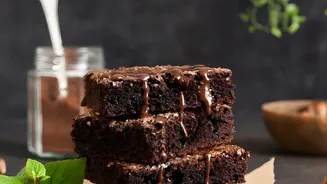
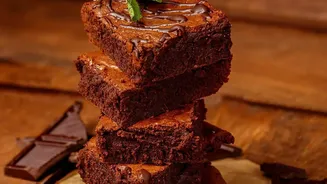
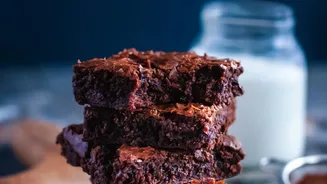
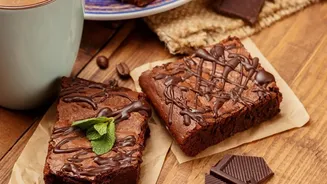
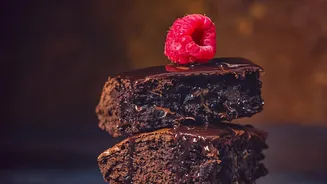
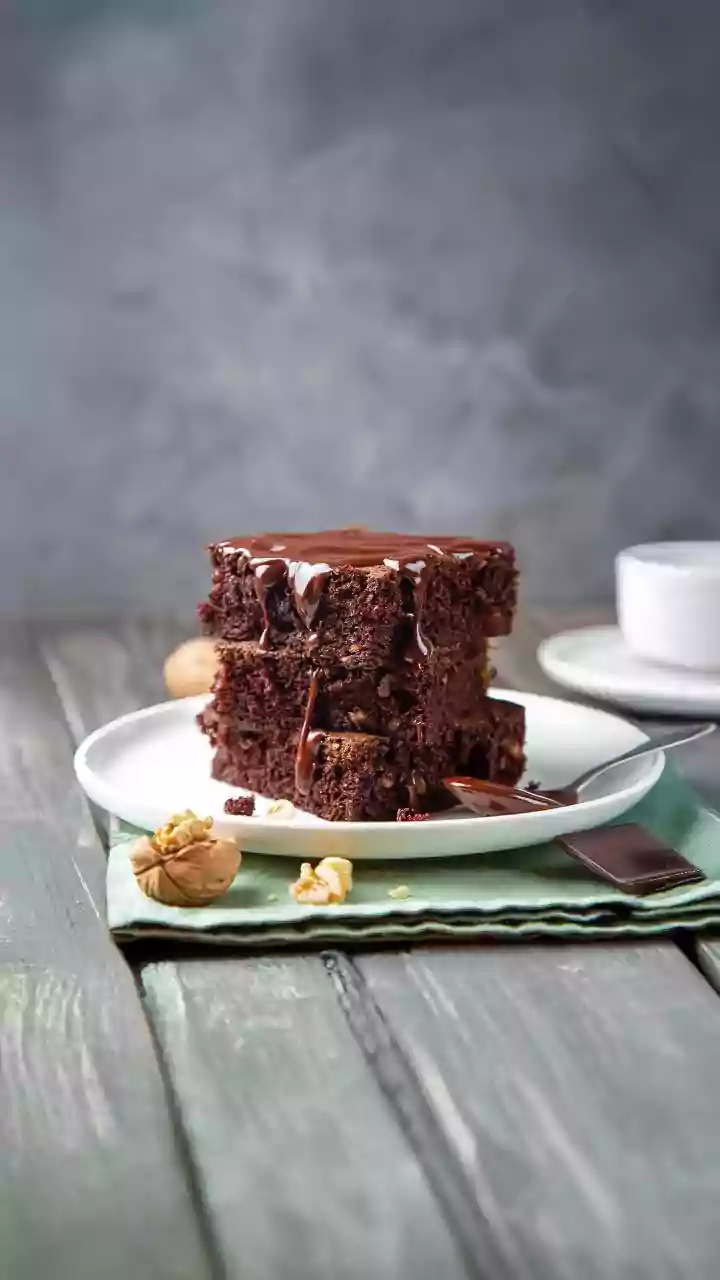
The great brownie debate often comes down to fudgy versus cakey, and the difference is all about ratios. Fudgy brownies have a higher fat-to-flour ratio, resulting in a dense, moist, and gooey texture. They often use melted butter or oil and have minimal to no chemical leaveners like baking powder. Cakey brownies, by contrast, have more flour, less fat, and rely on leavening agents to create a lighter, airier crumb similar to a chocolate cake. The more eggs a traditional recipe has, the cakier the brownie tends to be, as the proteins provide more structure and the water content creates steam for lift. When baking without eggs, the challenge is to add binding and structure without accidentally introducing too much lift, which pushes the brownie into cake territory.
Building Structure Without the Cake
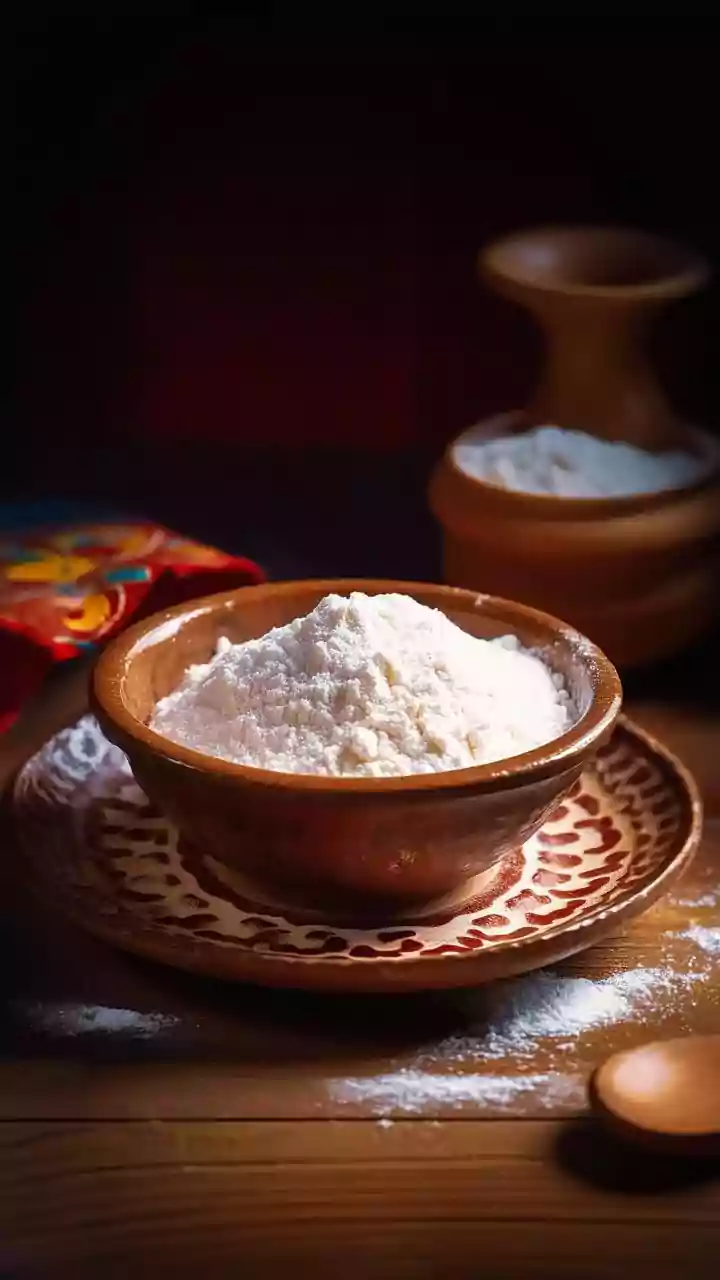
Without eggs, structure must come from other sources. The key is to focus on ingredients that bind and set without creating too much air. Melted chocolate is a critical component, as its cocoa butter content provides fat for richness and helps the brownie set as it cools. The type and amount of flour also play a role; using just enough all-purpose flour provides sufficient gluten for a tender structure without becoming tough. Some bakers find that bread flour, with its higher protein content, can add chew and structure without excess flour. Perhaps most importantly, managing the fat is key. Coating the flour particles with fat (like melted butter or oil) helps inhibit gluten development, which is essential for keeping the final product tender and dense, not tough or bready.
Choosing Your Egg Substitute Wisely
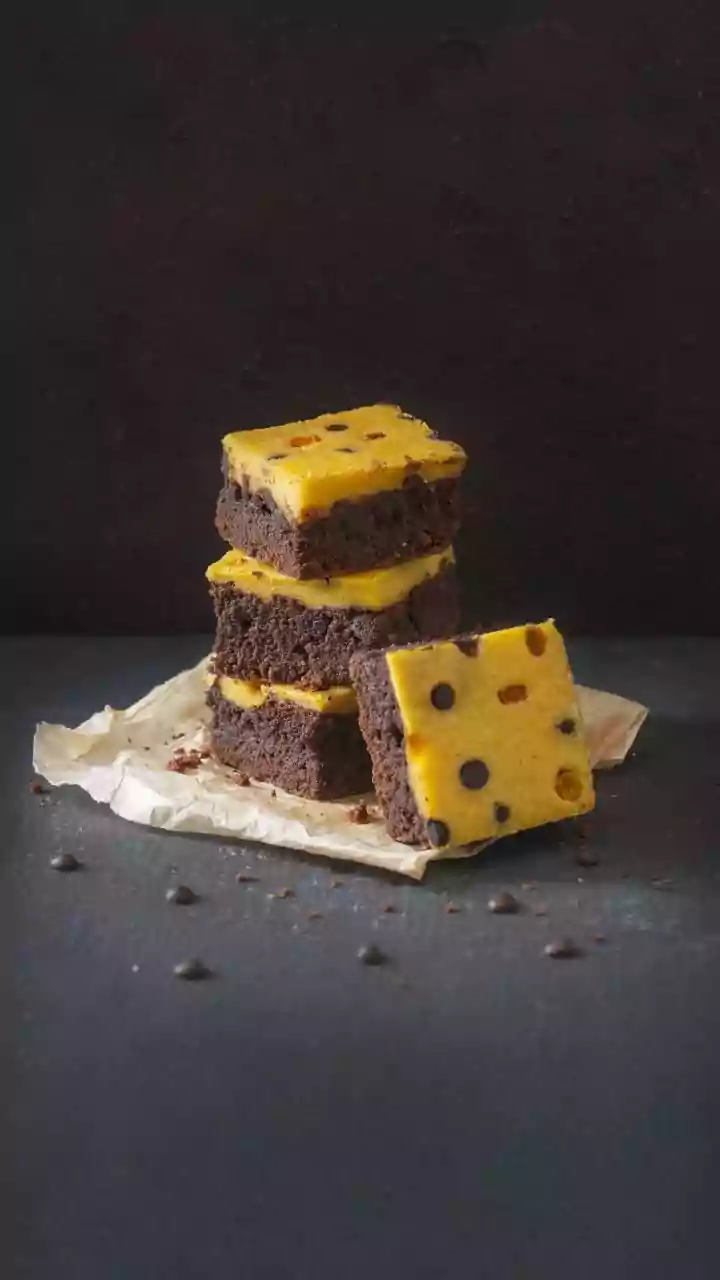
Not all egg replacers are created equal, especially when a fudgy texture is the goal. For brownies, some of the best options provide moisture and binding with minimal leavening. Plain yogurt or curd is a fantastic choice, as its fat and protein content mimics that of an egg, adding moisture and a pleasant tang that enhances the chocolate flavour. A 'flax egg'—made by combining ground flaxseed with water—is another excellent binder due to the seeds' fat and protein content, contributing to a thick, fudgy result. Other substitutes like applesauce or mashed banana can also work, but they tend to add more moisture and lift, pushing the brownie towards a cake-like texture and potentially adding their own distinct flavours. The trick is to choose a substitute that focuses on binding and fat, not just moisture.
Technique Makes Perfect
Beyond the ingredients, your technique is the final piece of the puzzle. To avoid a cakey texture, be careful not to overmix the batter once the flour is added. Overmixing develops gluten, which can make brownies tough. Unlike a cake, where you might cream butter and sugar to incorporate air, for fudgy brownies, you want to keep the mixing just to the point of combination. Baking time is also critical. It's almost always better to slightly underbake your brownies. When a toothpick inserted into the center comes out with moist crumbs attached (not wet batter), they are ready. The brownies will continue to set as they cool in the pan. This cooling process is non-negotiable; it allows the melted chocolate and fats to firm up, creating that perfectly dense and fudgy structure you're aiming for.