





The Problem with the Chase
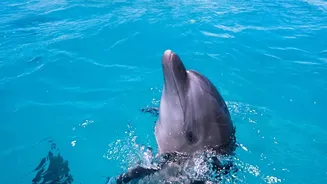
Across India's coastlines and river systems, dolphin watching is a booming tourist activity. From Goa's sunny shores to the sacred Ganges, boat operators offer trips promising a glimpse of these intelligent mammals. Too often, however, this translates
into a frantic chase. Multiple boats might converge on a single pod, engines revving as they compete for the closest view. This high-speed pursuit can be incredibly stressful for dolphins. A recent study on Indian Ocean humpback dolphins in Goa found that the presence of tourist boats caused them to socialize and forage less. This disruption interferes with their ability to eat, rest, and care for their young. The underwater noise from boat engines can also interfere with their echolocation, which they use to navigate and hunt. In the worst cases, aggressive boat handling can lead to propeller injuries or even death.
Embracing a Slower Pace
So, what is the alternative? Slow, low-impact dolphin watching is a philosophy rooted in respect. It means choosing operators who prioritize the animals' welfare over a guaranteed sighting. Instead of a high-speed chase, a slow tour is about patience. Boats travel at a reduced speed, keeping a respectful distance and moving parallel to the dolphins rather than cutting across their path. Engines are often cut when dolphins are near, allowing for a quieter, more natural observation. This approach not only minimizes stress on the animals but also offers a richer experience for the tourist. It transforms the trip from a quick photo opportunity into an immersive nature experience, allowing you to observe the dolphins' natural behaviours and appreciate their environment without causing harm.
India's Diverse Dolphin Habitats
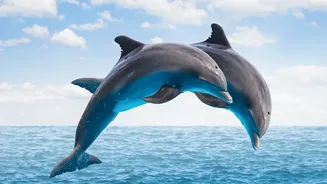
India is blessed with a remarkable diversity of dolphin species and habitats. Along the coasts of Goa, Maharashtra, and Kerala, you can find Indian Ocean humpback dolphins and finless porpoises in the Arabian Sea. These marine trips often take place in the early mornings when the seas are calm. Further east, Odisha's Chilika Lake is Asia's largest brackish water lagoon and home to a significant population of the endangered Irrawaddy dolphin. But dolphin encounters aren't limited to the sea. India is one of the few places in the world to host freshwater dolphins. The Gangetic river dolphin, India's National Aquatic Animal, inhabits the Ganga-Brahmaputra river systems. Ethical safaris to see these functionally blind creatures are offered in states like Bihar, Uttar Pradesh, and West Bengal, often led by trained local volunteers. A small population of the rare Indus River Dolphin also resides in Punjab's Beas River.
How to Be a Responsible Dolphin Watcher
Making a positive impact starts with the choices you make as a traveller. Before booking a trip, ask questions. Does the operator follow guidelines, such as maintaining a minimum distance of 50 metres? Do they have a no-chase, no-crowding policy? A reputable guide, often a trained naturalist, will spend time educating you about the dolphins and their ecosystem, rather than just pointing them out. Organizations like Terra Conscious in Goa are pioneering this model, training local fishermen to become guides for ethical tours that benefit both the community and the wildlife. They never guarantee a sighting, understanding that these are wild animals. Instead, they focus on the overall 'Ocean Biodiversity Experience'. By supporting these responsible operators, tourists create a financial incentive for the industry to adopt more sustainable practices, proving that conservation and livelihood can go hand-in-hand.