
The Global Cafe Comes to India
Not long ago, India's cafe culture was dominated by cappuccinos and masala chai. Today, thanks to a boom in specialty cafes and the lightning speed of social media, global trends are landing here faster than ever. The urban Indian consumer, particularly
millennials and Gen Z, is more travelled, adventurous, and digitally connected. They seek new experiences, and cafes are battling to provide them. This has created the perfect environment for novel ingredients to flourish, moving from niche interest to mainstream curiosity. According to Google Trends, search interest in India for matcha, hojicha, and ube has surged, showing a clear shift in consumer curiosity.
Matcha: The Green Powerhouse
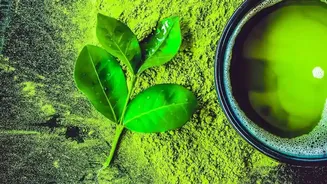
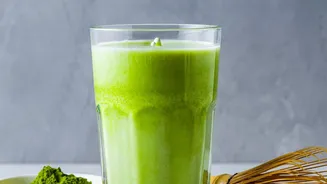
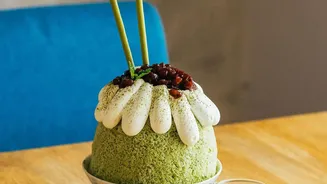
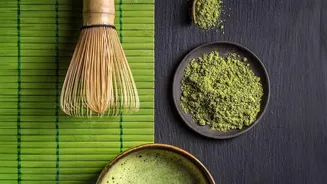
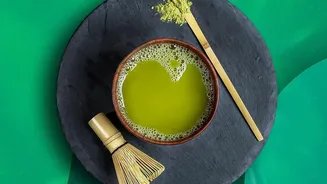
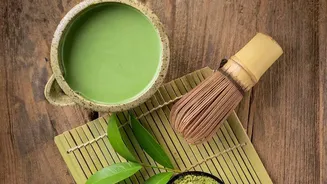
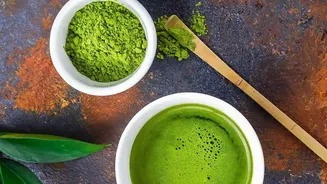
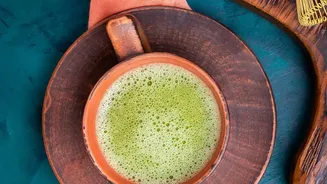
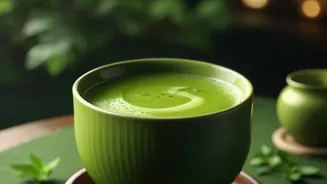
Matcha is a finely ground powder of specially grown green tea leaves. Unlike regular green tea, where you steep and discard the leaves, with matcha, you consume the entire leaf. This delivers a concentrated punch of antioxidants, particularly catechins, and an amino acid called L-theanine, which is known for promoting a state of 'calm alertness'. Initially seen as an exotic and expensive option, its perceived health benefits and versatility have driven its popularity. Searches for “how to make matcha” have skyrocketed as people bring the trend into their homes, while cafes experiment with everything from mango matcha to dirty matcha lattes.
Hojicha: The Calmer, Roasted Cousin
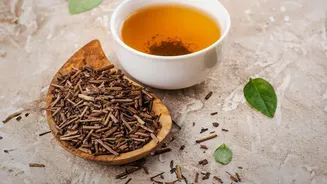
For those who find matcha's grassy, vegetal taste a bit intense, hojicha offers a welcoming alternative. Hojicha is also a Japanese green tea, but it’s roasted over charcoal. This roasting process gives it a reddish-brown hue and a warm, nutty, and slightly smoky flavour. A major part of its appeal is its significantly lower caffeine content, making it an ideal evening drink. The roasting also reduces tannins, making it gentler on the stomach. As consumers become more discerning, hojicha is emerging as a sophisticated, comforting choice for those looking to unwind. Search data shows people actively comparing it to matcha, suggesting they are looking for a tea that fits their specific taste and lifestyle.
Ube: The Visually Stunning Purple Yam
Ube, a purple yam from the Philippines, is perhaps the most visually dramatic of the trio. Its stunning natural violet colour makes it an instant star on Instagram and TikTok, where aesthetic appeal drives trends. But it’s not just about looks. Ube has a mild, subtly sweet flavour often described as a mix of vanilla, coconut, and pistachio. This approachable taste makes it incredibly versatile for desserts and drinks. From lattes and ice creams to cheesecakes, ube provides a unique flavour that is novel yet not polarising. The Indian ube market, though still niche, is projected to grow significantly as more cafes and bakeries adopt it to attract younger, experience-driven customers.
The Perfect Storm: Health, Aesthetics, and Novelty
The rise of matcha, hojicha, and ube in India isn't accidental; it’s a perfect storm of modern consumer desires. Firstly, there's the growing health consciousness. All three ingredients are perceived as healthier alternatives to sugary drinks or standard coffees. Secondly, in the age of social media, we eat with our eyes first. The vibrant green of matcha and the vivid purple of ube are made for the camera, turning every order into shareable content. Finally, there's the craving for novelty. Indian diners are more open than ever to trying global flavours. These ingredients offer an experience that is at once globally relevant and personally new, making them the defining flavours of India's evolving cafe culture.