








More Than Just Sweetness?
First, let's be clear: maple syrup is sugar. A single tablespoon contains around 52 calories and 12 grams of sugar, which is comparable to table sugar's 49 calories and 12.6 grams of sugar. Its primary component is sucrose. The key difference, however,
lies in what else it contains. Unlike refined white sugar, which offers empty calories, pure maple syrup retains some of the minerals and vitamins from the tree sap it's derived from. It's a source of manganese, a mineral crucial for bone health and metabolism, and also provides zinc, calcium, potassium, and riboflavin. This nutritional profile makes it a slightly better choice than other common sweeteners, which often have zero nutritional value.
The Glycemic Index Question
One of the most common arguments in favor of maple syrup is its lower glycemic index (GI). The GI is a scale that ranks how quickly a carbohydrate-containing food raises blood glucose levels. Pure maple syrup has a glycemic index of around 54. This is moderately lower than table sugar, which sits at about 65. In comparison, honey has a GI of around 58. This means that maple syrup raises your blood sugar a bit more slowly than table sugar does, potentially avoiding a sharp spike and subsequent crash. While this is a point in its favor, it's important to remember that a GI of 54 is still in the medium range. It will still cause a significant blood sugar response, especially if consumed in large quantities.
The Antioxidant Advantage
Maple syrup is also celebrated for its antioxidant content. Research has identified dozens of different phenolic compounds in maple syrup, some of which are unique to this sweetener. One of these, named Quebecol, is formed during the process of boiling sap into syrup. Antioxidants are beneficial because they help fight cellular damage caused by free radicals in the body. While the presence of these compounds is a definite plus, the context is crucial. To get a truly significant dose of antioxidants from maple syrup, you would need to consume a very large amount, which would also mean consuming an unhealthy amount of sugar. Think of the antioxidant content as a small bonus, not a primary reason to add it to your diet.
The 'Natural' Sweetener Myth
The term "natural" can be misleading. Whether the sugar comes from a tree, a bee, or a sugar cane plant, your body ultimately metabolizes it in a similar way. Once it reaches your intestine, sugar is broken down into glucose and sent into your bloodstream. While minimally processed sweeteners like maple syrup contain trace nutrients, the main concern for your health is the total amount of added sugars you consume, regardless of the source. Health guidelines recommend limiting added sugars to no more than 10% of your daily calorie intake. Treating maple syrup as a "free pass" because it's natural can lead to excessive sugar consumption, with the same health risks associated with any other sweetener.
How to Use It Wisely
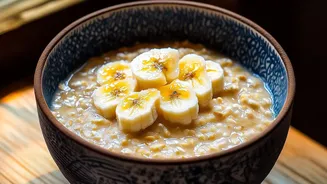
The key to including maple syrup in a balanced diet is moderation and smart application. First, always choose 100% pure maple syrup, not "pancake syrup" or "maple-flavored syrup," which are often just high-fructose corn syrup with artificial flavoring and no nutritional benefits. Use it for its potent flavour rather than just its sweetness; a small drizzle over oatmeal, yogurt, or roasted vegetables can provide a lot of taste. A standard portion should be about one tablespoon, not a deluge. Pairing it with foods rich in fiber, protein, and healthy fats—like whole-grain pancakes or Greek yogurt—can also help slow the absorption of its sugars and create a more balanced metabolic response.