


A Ticking Time Bomb in the Mountains
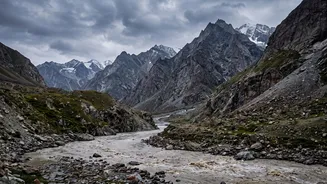
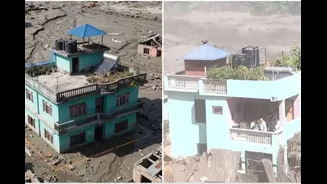
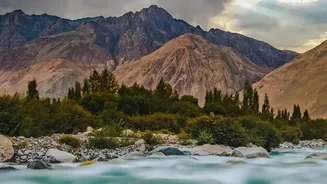
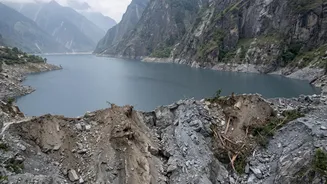
In the wake of a devastating glacier collapse and flash flood event along the Nepal-China border, a secondary crisis is unfolding. The same deluge of rock, mud, and ice that wiped out villages has blocked the flow of the Bhotekoshi river system in Nepal's
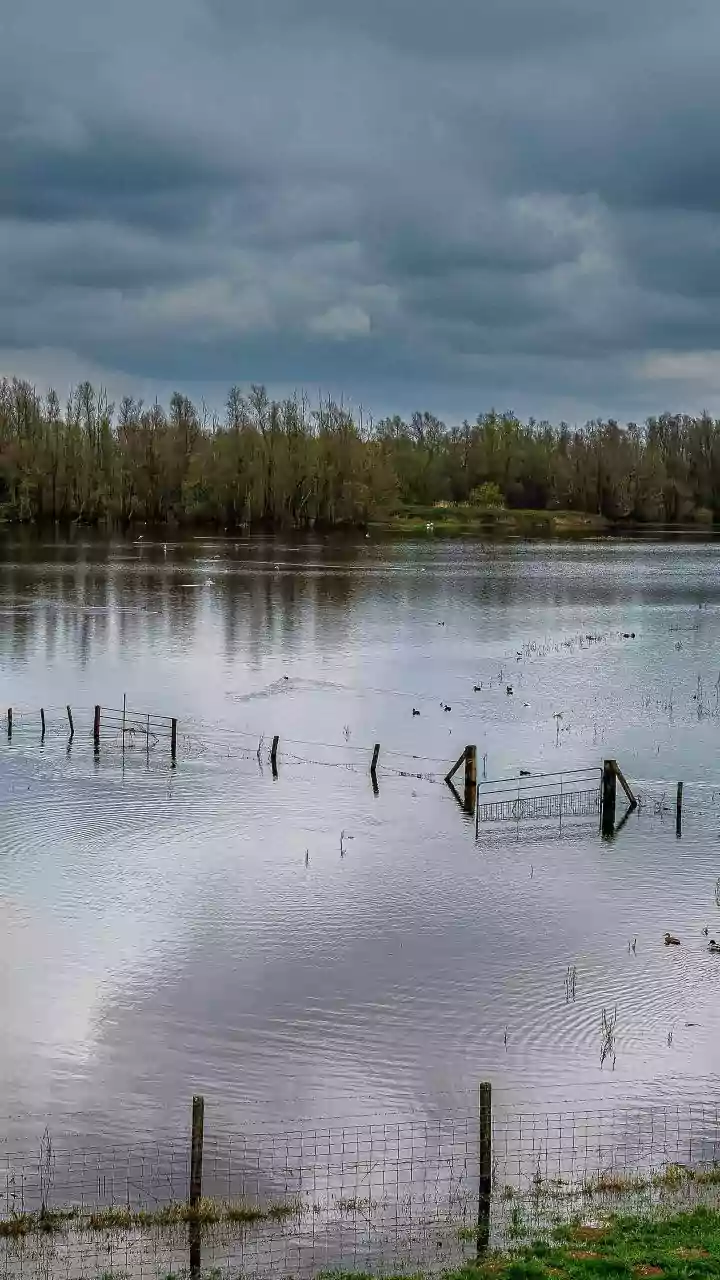
Rasuwa district, forming what is known as a barrier lake. Chinese and Nepalese authorities are monitoring the situation with extreme urgency. The newly formed lake, estimated to hold millions of cubic metres of water, is already overflowing. With heavy monsoon rains expected to add even more volume, there are significant fears that the unstable, natural dam could breach, unleashing another catastrophic wave of water on communities still reeling from the initial disaster.
What Makes a Barrier Lake So Dangerous?
A barrier lake is a body of water impounded by a natural dam, typically formed by a landslide, an avalanche, or glacial moraine. Unlike engineered concrete dams, these blockages are composed of loose, unconsolidated debris, making them inherently unstable. The danger lies in their potential for sudden and catastrophic failure. This can happen in several ways: the rising water can overtop the dam and rapidly erode it, or the immense pressure of the impounded water can cause the fragile barrier to collapse entirely. The result is a Landslide Dam Outburst Flood (LDOF), a violent surge of water mixed with mud, rocks, and debris that moves downstream with incredible speed and destructive power, often far exceeding the initial flood that created the blockage.
Communities on High Alert
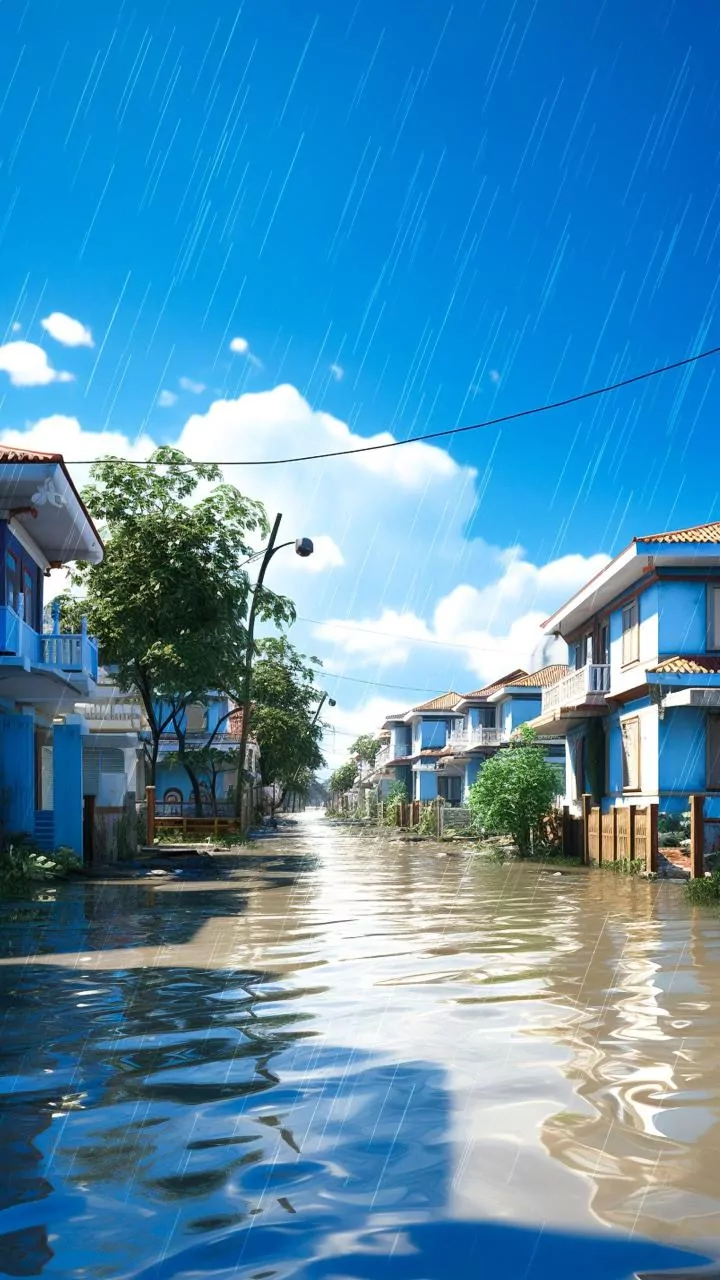
The immediate risk is to the towns and infrastructure downstream along the Bhotekoshi and Trishuli rivers. Following the initial deadly flood, rescue operations were already underway, with hundreds killed and thousands missing. Now, this new threat has forced authorities to issue fresh warnings and, in some cases, pause rescue efforts and evacuate residents from vulnerable areas. In Rasuwa district, locals were seen scrambling to higher ground as news of the overflowing lake spread. The potential flood path threatens not only homes and villages but also critical infrastructure like roads, bridges, and numerous hydropower projects, which are vital to the nation's electricity supply. The blockage of roads has made monitoring the situation on the Nepali side difficult, increasing reliance on information from Chinese teams who can access the lake.
A Race Against Time to Mitigate Disaster
Nepalese and Chinese authorities are in a desperate race to manage the threat. Rescue and engineering teams have been dispatched to monitor the lake's stability, water level, and inflow rate. The options for mitigation are limited and fraught with peril. Engineers can attempt to create a controlled channel to drain the water safely, but working on such a new and unstable debris dam is incredibly dangerous, with secondary collapses posing a constant risk. For now, the focus remains on monitoring and ensuring downstream communities are prepared for the worst-case scenario. After briefly pausing, rescue operations resumed once the immediate overflow risk was deemed manageable, but the situation remains on a knife's edge.
A Symptom of a Larger Crisis
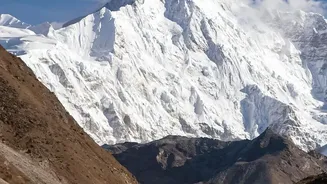
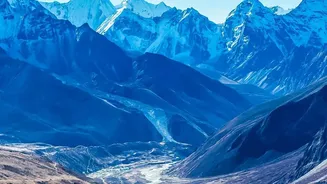
This barrier lake is not just a freak accident; it is a stark symptom of a rapidly changing climate in the Himalayas. The world's 'Third Pole' is warming at an accelerated rate, causing glaciers to melt and retreat, which destabilizes mountain slopes. This, combined with more frequent and intense monsoon rainfall, is leading to a dramatic increase in landslides, rockfalls, and glacial lake outburst floods (GLOFs). The fragile geology of Nepal makes it exceptionally vulnerable to these hazards. Events like these are becoming a horrifying new normal, posing an existential threat to millions of people not only in Nepal but across the entire downstream region, highlighting the urgent need for cross-border cooperation and robust climate adaptation strategies.