




A Once-in-a-Generation Spectacle
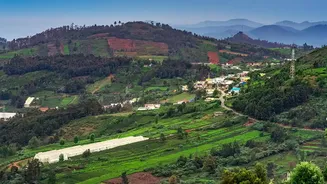
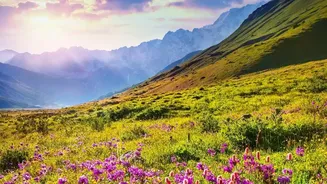
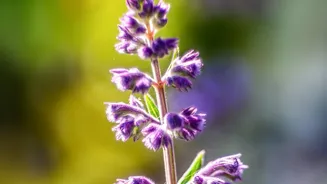
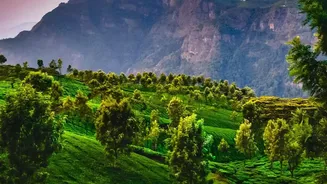
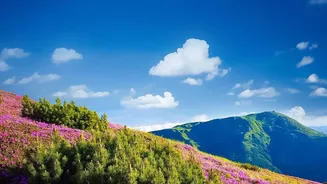
Imagine entire hillsides blanketed in a vibrant, violet hue. This is the magic of Neelakurinji (Strobilanthes kunthiana), a shrub endemic to the shola grasslands of the Western Ghats. The name itself is revealing: ‘Neela’ means blue, and ‘Kurinji’ is the local
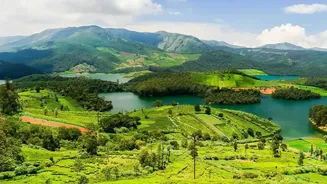
name for the flower. In fact, the Nilgiri Hills, or ‘Blue Mountains,’ are believed to have earned their name from this very bloom. This mass flowering, which occurs between August and October, is a rare event, following a synchronised 12-year cycle. After it blooms, the plant dies, releasing seeds that will lie dormant for over a decade before sprouting again to repeat the stunning display. This unique life cycle makes witnessing the bloom a truly special, once-in-a-generation opportunity for many.
A Strict Warning: Look, Don't Touch
The influx of tourists eager to capture the perfect selfie has prompted a firm response from the Nilgiris district administration and the Forest Department. Officials have issued strict warnings against plucking or damaging the plants. In 2023, the central government listed Neelakurinji under Schedule III of the Wildlife (Protection) Act, 1972, officially making it a protected species. Anyone caught destroying the plant faces severe penalties, including a fine of up to ₹25,000 and imprisonment for up to three years. This isn't just about protecting a pretty flower; it's about preserving a fragile natural cycle. Plucking the blooms prevents the plant from producing seeds, thereby threatening the very existence of future flowering events.
More Than Just a Flower
The Neelakurinji is a keystone species in its high-altitude ecosystem. Its mass blooming provides an abundant source of nectar for honeybees and other pollinators, playing a vital role in the local food web. The honey produced during this period, known as Kurinji honey, is a rare delicacy. The plant's dense root system also helps prevent soil erosion on the steep slopes of the Ghats. Furthermore, the flower holds deep cultural significance. For the local Paliyan and Toda tribal communities, the blooming cycle has historically been used to calculate their age and mark important life events. It is woven into their heritage and represents a natural calendar that has guided generations.
The Dangers of Over-Tourism
While the bloom is a boon for tourism, an uncontrolled rush of visitors poses significant threats. Many flowering sites are located in ecologically sensitive areas that serve as corridors for wildlife, including elephants. An increased human presence can disturb these animals, leading to a higher risk of human-wildlife conflict. Officials have noted that some bloom sites are within protected reserve forests, where entry is strictly forbidden. Trampling of the undergrowth by crowds can damage the delicate shola grassland habitat, impacting not just the Neelakurinji but the entire ecosystem. Authorities are urging visitors to act responsibly and, in some cases, have restricted access to more fragile areas to mitigate this damage.
How to Be a Responsible Visitor
Experiencing the Neelakurinji bloom is a privilege that comes with the duty of conservation. If you plan to visit, the rules are simple but crucial. Admire the flowers from a distance and stay on designated paths. Never pluck the flowers or uproot the plants; remember, they are protected by law and will not survive if you try to grow them at home. Take photographs, but do so without trampling the surrounding vegetation. Pay attention to instructions from forest officials and local guides. Many of these areas are plastic-free zones, so be sure to carry your waste back with you. The goal is to leave the hills as pristine as you found them, ensuring this natural wonder can be enjoyed by generations to come.