



The Science of a Slower Burn
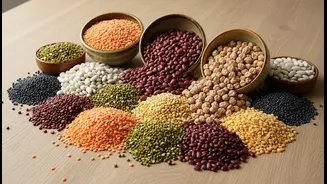
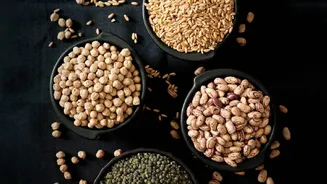
The primary benefit of this food trio lies in how it manages energy release. Carbohydrates, especially refined ones, are digested quickly, leading to a rapid spike and subsequent crash in blood sugar levels. However, when you add pulses (like dal, chickpeas,
or beans) and vegetables to the meal, their fibre and protein content get to work. Fibre, particularly the soluble kind found in beans and some vegetables, forms a gel-like substance in your digestive tract. This process slows down the digestion and absorption of carbohydrates, leading to a more gradual release of glucose into the bloodstream. Studies show that mixed meals containing protein, fat, and fibre can significantly lower the post-meal glucose response compared to eating carbs alone, preventing that dreaded energy slump. This creates sustained energy, keeping you feeling steady and focused for hours.
Building Complete Proteins, One Meal at a Time
For those on vegetarian or plant-forward diets, getting a 'complete' protein—one that contains all nine essential amino acids—is a common concern. While most plant foods are 'incomplete' proteins, pairing them correctly solves the puzzle. This is where the magic of combining grains (carbohydrates) with pulses comes in. Grains like rice and wheat are typically low in the amino acid lysine but high in methionine. Pulses, on the other hand, are rich in lysine but low in methionine. When you eat them together—think of the classic Indian meal of dal and rice or roti—their amino acid profiles complement each other, creating a high-quality, complete protein. This combination is crucial for everything from muscle repair and immune function to overall growth and maintenance.
The Fullness Factor and Gut Health
One of the most satisfying benefits of this combination is its effect on satiety, or the feeling of being full and satisfied. The high fibre content from both pulses and vegetables adds bulk to your meal without adding significant calories. This bulk slows down stomach emptying, keeping you feeling full for longer and reducing the urge to snack between meals, which can aid in weight management. Furthermore, the fibre in these foods, especially from pulses, acts as a prebiotic. Prebiotics are essential food for the beneficial bacteria in your gut. A healthy gut microbiome is linked to numerous health benefits, including improved digestion, a stronger immune system, and even better mental health. The traditional Indian thali, with its variety of dals and sabzis, is a perfect example of a meal designed to promote gut bacterial diversity.
Your Plate, Perfectly Paired
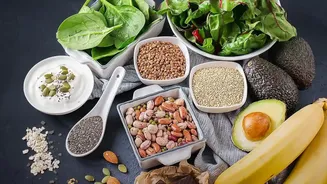
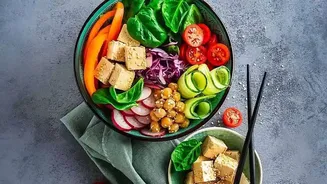
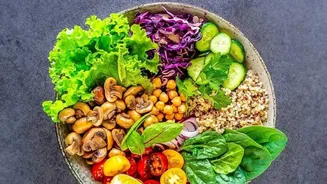
Putting this principle into practice is simpler than it sounds and is already a cornerstone of Indian cuisine. The humble thali is a masterclass in balanced eating, providing carbohydrates from rice or roti, protein from dal, and a host of vitamins and minerals from various vegetable preparations (sabzis). To start building better-balanced meals, follow a simple rule of thumb: fill half your plate with non-starchy vegetables, a quarter with a protein source like dal or chickpeas, and the final quarter with a carbohydrate source, preferably a whole grain like brown rice or whole wheat roti. Some easy combinations include rajma with brown rice and a cucumber-tomato salad, a mixed vegetable curry with whole wheat roti and a side of moong dal, or a quinoa salad packed with chickpeas and assorted greens. Even simple snacks like hummus (chickpeas) with whole-wheat pita are a great example of this powerful pairing.