






The Dollar’s Global Power
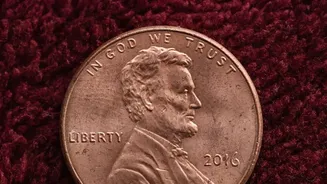
To understand how the US can pressure Iran financially, you first have to appreciate the dollar's unique role in the world. Since the end of World War II, the US dollar has been the world's primary reserve currency. This means central banks globally hold
vast amounts of dollars to facilitate international trade and stabilize their own economies. Nearly 90% of all global foreign exchange transactions involve the dollar. Whether it's a company in India buying oil from Saudi Arabia or a firm in Brazil selling to Japan, the transaction is almost always priced and settled in dollars. This forces most international payments to pass through the US banking system, giving the US Treasury Department an extraordinary degree of visibility and control over global finance. This central role affords the US what has been called an 'exorbitant privilege': the ability to borrow cheaply and, more critically, to use access to this system as a powerful tool of foreign policy.
The Mechanics of Financial Warfare
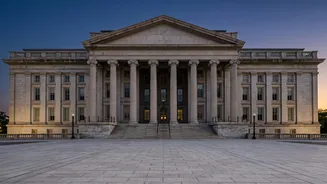
When the US decides to use dollar access as a weapon, it relies on the Office of Foreign Assets Control (OFAC), an agency within the Treasury Department. OFAC administers sanctions programs that can freeze the assets of designated individuals, companies, or even entire countries. But the most powerful tool is the 'secondary sanction'. Primary sanctions bar Americans from dealing with a target. Secondary sanctions go a step further, threatening to cut off any foreign bank or company from the US financial system if they do business with a sanctioned entity, like Iran. For a global bank or multinational corporation, losing the ability to transact in US dollars is a commercial death sentence. This forces international firms to choose between doing business with a country like Iran or maintaining their access to the entire global financial system. Most choose the latter, effectively isolating the target nation.
Operation Economic Outcast
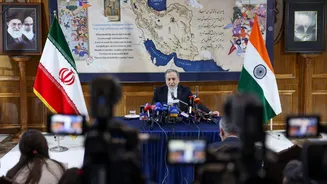
On August 24, 2026, the US administration announced a new phase of its pressure campaign against Iran, dubbed 'Operation Economic Outcast.' Treasury Secretary Scott Bessent detailed plans for an 'economic onslaught' designed to sever Iran's remaining links to the global economy. This initiative expands the scope of sanctions to target five critical sectors that Iran allegedly uses to support its economy and military: digital assets like cryptocurrency, technology, gold, aviation, and shipping. The US also sanctioned 60 new entities, individuals, and vessels believed to be involved in procuring missile technology or selling oil. Bessent warned that any entity, anywhere in the world, that facilitates money laundering for Iran 'will be removed from the U.S. dollar system.' The administration is now demanding that other world leaders support this push for 'economic asphyxiation.'
The Intended Impact and Global Reaction
The stated goal of these intensified sanctions is to cripple Iran's economy to the point that it cannot fund its military or regional activities and is forced to capitulate to US demands. The economic pressure is already showing severe effects, with Iran's currency, the rial, hitting record lows against the dollar. However, the plan is meeting resistance. China, a major buyer of Iranian oil, has criticized the move, stating it will only exacerbate tensions. Iran's own officials have downplayed the impact, noting the country has withstood decades of US sanctions and vowing to find ways around the new measures. While the sanctions technically include exemptions for humanitarian goods, human rights organizations have reported that the broad nature of the rules and fear of 'over-compliance' from banks have severely restricted Iranians' access to essential medicines and healthcare.
Risks of Wielding the Dollar Weapon
While denying dollar access is a potent weapon, its overuse carries significant long-term risks for the United States. Each time the US unilaterally imposes far-reaching secondary sanctions, it incentivizes other countries, particularly rivals like China and Russia, to develop alternative financial systems that bypass the dollar. This could accelerate a process of 'de-dollarization,' which, over time, could erode the very foundation of American financial power. Analysts question whether the US is prepared to sanction major Chinese banks that facilitate the country's purchases of Iranian oil, a move that could have major repercussions for the global financial system. The current strategy is a high-stakes gamble: it aims to force a resolution with Iran in the short term, but it may also encourage the rest of the world to build an economic order where the dollar is no longer king.