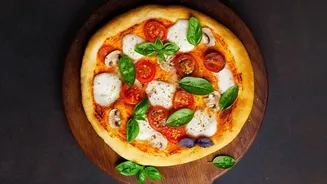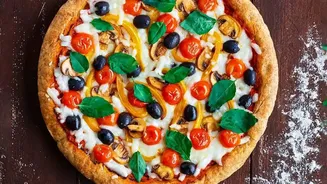




The High-Protein Pizza Trend
The quest for healthier comfort food has led to an explosion of creative home recipes, and the latest to capture widespread attention is the high-protein pizza base. Instead of flour, yeast, and water, home cooks are turning to protein-rich dairy products
to create a satisfying crust. Two main variations are leading the charge: one using cottage cheese and another using Greek yogurt. These recipes promise a pizza experience that’s lower in carbs, higher in protein, and ready in a fraction of the time, eliminating the need for kneading or rising. The goal is to create a meal that satisfies a pizza craving without the heavy, sluggish feeling that can sometimes follow a traditional pie.
The Cottage Cheese Crust Method
The most viral version of this trend features cottage cheese. Blended until smooth with an egg and a small amount of flour, it forms a batter that’s spread thin and pre-baked to create a crust. The cottage cheese itself is packed with protein, which helps with muscle building and satiety. Proponents say that once baked and topped with sauce and cheese, the base's origin is undetectable. The resulting texture is often described as being similar to a flatbread—softer than a traditional crispy crust but sturdy enough to hold toppings. To make it, you simply blend the ingredients, spread the batter on a parchment-lined baking sheet, and bake for about 10-15 minutes before adding toppings and returning it to the oven.
Recipe: Viral Cottage Cheese Pizza Crust
This recipe is a popular starting point. Preheat your oven to about 200°C. In a bowl or blender, combine one cup of cottage cheese, one or two eggs, and about a quarter-cup of flour (all-purpose, oat, or spelt all work). Add seasonings like garlic powder, oregano, and a pinch of salt. Mix until smooth. Pour the batter onto a baking sheet lined with parchment paper, spreading it into a thin circle. Bake for 10-15 minutes until the crust is set and lightly golden. Remove from the oven, add your favourite pizza sauce, cheese, and toppings, then bake again for another 10-15 minutes until the cheese is bubbly and melted.
The Greek Yogurt Alternative
For those who prefer a more dough-like texture, the two-ingredient Greek yogurt crust is another fantastic option. This method involves mixing self-rising flour with plain Greek yogurt to form a pliable dough. The yogurt provides moisture and a protein boost, while the leavening agent in the flour gives the crust a slight rise and a chewy, fluffy texture. Unlike yeast-based doughs, this one is ready to be rolled out immediately after a quick knead. Many recipes call for a simple 1-to-1.5 ratio of yogurt to self-rising flour. If you don't have self-rising flour, you can make your own by adding baking powder and salt to all-purpose flour.
Is It A Healthier Choice?
From a nutritional standpoint, these homemade crusts offer clear benefits. Both cottage cheese and Greek yogurt significantly increase the protein content compared to a standard flour-and-water base. A single serving can deliver over 20 grams of protein from the crust alone, helping you feel fuller for longer. These bases are also generally lower in carbohydrates. However, it's important to remember that the overall healthiness of the pizza still depends heavily on your toppings. While the base is a great start, loading it up with excessive cheese and processed meats will still result in a calorie-dense meal. For a more balanced approach, pair the protein crust with plenty of vegetables and lean toppings.