

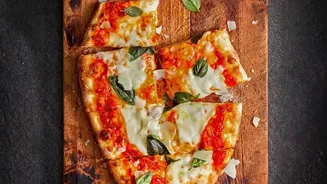
Why Bother with a Protein Boost?
Adding protein to your pizza recipe isn't just about following a trend; it's about making one of the world's favorite foods work better for you. A protein-enhanced pizza can keep you feeling full and satisfied for much longer than a traditional carb-heavy
slice. This increased satiety helps manage cravings and portion sizes. For those with fitness goals, it’s a game-changer, turning a 'cheat meal' into a dish that can support muscle maintenance and recovery. By incorporating protein directly into the crust or toppings, you create a more nutritionally balanced meal without sacrificing the joy of pizza night.
Choosing Your High-Protein Base
The secret to a great protein pizza often lies in the crust. Several ingredients can replace or supplement traditional flour, each with a unique effect. Blended cottage cheese is a popular choice, creating a dough that is moist, structured, and packed with protein. Greek yogurt is another fantastic option that results in a slightly tangy and often thinner, crispier crust. For a gluten-free and vegan alternative, chickpea flour provides a sturdy, filling base with a mild, nutty flavor. Unflavored protein powders, like whey or plant-based isolates, can also be mixed into flour, but they often require other ingredients like vital wheat gluten to maintain a chewy, bread-like texture and avoid becoming too dense.
The Impact on Dough and Texture
Introducing a high-protein ingredient fundamentally changes the dough's behavior. Dairy-based additions like cottage cheese or Greek yogurt create a soft, slightly sticky dough that doesn't require yeast or rising time. A cottage cheese crust tends to be chewier and more substantial, while a Greek yogurt base often bakes into a thinner, crisper final product. Chickpea flour creates more of a batter than a dough, which, when baked, results in a sturdy, dense crust that has been described as having a smooth and creamy texture. It won't be mistaken for traditional kneaded dough, but it holds up well to toppings. Protein powders can make dough drier and denser, so it's crucial to balance them with enough liquid and ingredients that add elasticity.
Tips for a Perfect Protein Pizza
Working with these modified recipes is straightforward with a few tips. Doughs made with cottage cheese or yogurt are inherently sticky, so don't be afraid to flour your hands and work surface. Many find it easiest to press the dough out directly on parchment paper to avoid a tricky transfer to the baking sheet. When using alternative flours like chickpea, pre-baking the crust is essential to prevent it from becoming soggy after you add toppings. Be mindful not to overload these crusts, as they might not be as rigid as their traditional counterparts. For protein powders, use an unflavored isolate for the smoothest texture and to avoid a chalky or gritty result.
Don't Forget the Toppings
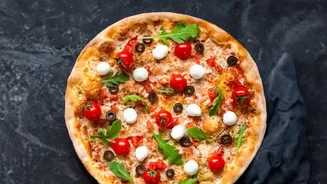
While the crust is a great place to start, toppings offer another easy way to boost the protein content of your pizza. Lean meats like shredded chicken breast, turkey sausage, or quality ham are excellent choices. Even seafood like shrimp or crab meat can be a delicious, high-protein addition. For plant-based power, consider adding chickpeas, crumbled tofu, or paneer. Of course, cheese is a classic pizza topping and a good source of protein itself; mozzarella, parmesan, and ricotta all contribute to the final protein count. By combining a protein-rich base with smart topping choices, you can easily create a pizza with over 30 grams of protein per serving.