




Start at the National Level
Your first stop should be India's official tourism portals. The Ministry of Tourism's 'Incredible India' website is an excellent resource for inspiration and general information about the country's diverse offerings. While it primarily showcases major
destinations, it provides a great overview of states and travel themes. Additionally, the National Portal of India (india.gov.in) has a dedicated Travel & Tourism section that acts as a gateway to various state-level resources. These national sites are best used for broad-stroke planning and understanding the tourism landscape before you narrow your focus. They also offer important updates on travel advisories or nationwide policies that might affect your trip.
Drill Down to State Tourism Websites
For more detailed and localized information, the official websites of State Tourism Development Corporations are your most valuable asset. Every state and Union Territory has its own tourism board, and their websites are the primary source for destinations within their borders. For example, the Gujarat Tourism site details everything from heritage sites to wildlife trails, while Sikkim Tourism's portal provides specific information on permits and mountain treks. The quality of these websites can vary, but they are the most reliable place to find lists of recognized hotels, tour operators, and specifics about entry fees or opening times for local attractions. They often feature downloadable brochures, travel itineraries, and contact details for regional tourism offices.
Explore Specialized Government Agencies
If your interests are specific, go directly to the source. For trips involving historical monuments and archaeological sites, the Archaeological Survey of India (ASI) website is indispensable. The ASI manages thousands of protected monuments across the country and its site provides official information on timings, entry rules, and online ticketing, which is now mandatory for many locations. For wildlife enthusiasts wanting to visit national parks, tiger reserves, or eco-tourism spots, the websites of the respective State Forest Departments are essential. Portals for states like Madhya Pradesh, Kerala, and Rajasthan offer online booking for safaris, details on park opening dates, and accommodation in forest rest houses.
Uncover Gems on District Websites
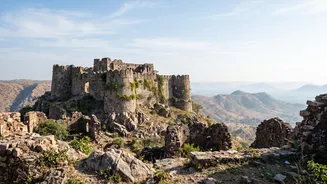
For truly off-the-beaten-path locations that may not even appear on state tourism sites, your best bet is the official website of the district administration. These government portals, which typically end in '.gov.in' or '.nic.in', are goldmines of local information. Look for a 'Tourism' or 'Places of Interest' tab. Here, you might find details about a local temple, a secluded waterfall, a small museum, or a historical fort known only to locals. While often basic in design, these sites provide authentic and practical details, including how to reach these places and sometimes even the contact numbers of local officials or government guesthouses.
Use Official Helplines and Offices
In a world of digital information, it is crucial to be wary of fraudulent agents who may misrepresent themselves as official tourist offices. For genuine assistance, the Ministry of Tourism operates the 'Incredible India HelpLine', a toll-free number (1800111363 or short code 1363) designed to assist tourists with information and during emergencies. For the most remote destinations where online information is scarce, do not underestimate the power of a phone call. Use the state and district websites to find contact numbers for the District Tourism Officer (DTO), Block Development Officer (BDO), or the manager of a government-run Circuit House or Dak Bungalow. These officials can provide the most current, on-the-ground information available.