




What Are Barrier Lakes?
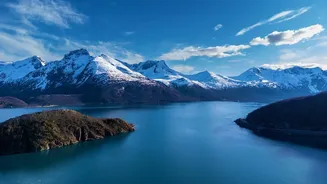
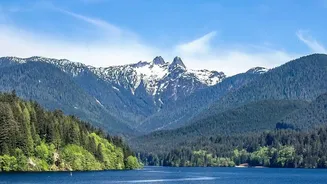
A temporary barrier lake, also known as a landslide dam or a moraine-dammed lake, is a body of water that forms when a river is blocked by natural debris. This can happen in two primary ways. A landslide or rock avalanche can thunder down a steep valley,
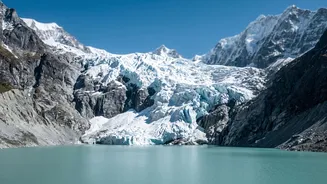
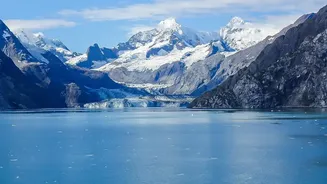
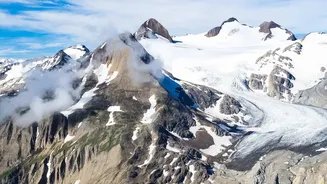
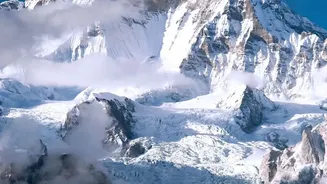
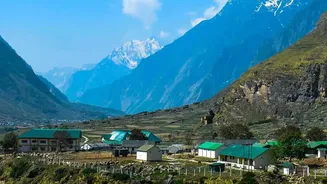
creating a wall of earth and rock that dams the river. Alternatively, as glaciers melt and retreat, they leave behind ridges of loose rock and sediment called moraines. Meltwater can pool behind these moraine dams, forming a glacial lake. Both types are common in high-mountain regions like the Himalayas, where steep terrain and geological activity create the perfect conditions for their formation.
The Illusion of Stability
Unlike engineered concrete dams, these natural barriers are inherently unstable. They are composed of a loose, jumbled mix of soil, gravel, boulders, and sometimes ice cores left over from a glacier. This unconsolidated material is porous and weak. Think of it like a pile of sand trying to hold back a swimming pool. Water can seep through the dam in a process called "piping," gradually weakening its internal structure. The immense pressure from the growing body of water upstream constantly pushes against this fragile wall, which lacks the controlled spillways and structural integrity of a man-made dam.
The Triggers for Collapse
The existence of a barrier lake is often temporary, with lifespans ranging from mere hours to several decades. Several triggers can cause a catastrophic failure. An earthquake can destabilise the loose dam material, causing it to collapse. Intense rainfall or rapid snowmelt can cause the lake to fill too quickly, overtopping the dam. This initial overflow can rapidly erode the loose material, carving a deeper channel and starting a feedback loop where more water escapes, causing even faster erosion. Sometimes, a large avalanche of rock or ice crashing into the lake can create a massive wave, known as a seiche, which overtops the dam and initiates the breach.
An Explosive Outburst Flood
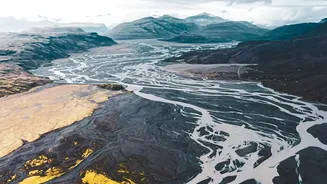
When a barrier lake dam fails, the result is a Glacial Lake Outburst Flood (GLOF) or a Landslide Lake Outburst Flood (LLOF). This isn't just a rush of water; it's a terrifying torrent carrying immense energy. The flood picks up the very debris from the dam that held it back, transforming into a thick, fast-moving slurry of water, mud, rocks, and boulders. This debris flow can travel dozens or even hundreds of kilometres downstream, scouring valley floors and destroying everything in its path with a force far greater than a normal flood. The peak discharge can be staggering, releasing millions of cubic metres of water in a matter of hours.
A Clear and Present Danger in India
The threat of barrier lakes is not hypothetical for India. The Himalayas, a geologically active and climate-sensitive region, are a hotspot for these hazards. The catastrophic 2013 floods in Kedarnath, Uttarakhand, were linked to the breach of the Chorabari glacial lake, which released a devastating wall of water and debris that killed thousands. More recently, a 2023 GLOF event at South Lhonak Lake in Sikkim caused severe flooding, washing away a major dam and leading to significant loss of life and infrastructure. As global temperatures rise, glaciers are melting at an accelerated rate, leading to the formation and expansion of more of these dangerous lakes, increasing the risk for downstream communities.