




Why Extra Care is Crucial
The monsoon season creates the perfect breeding ground for bacteria, fungi, and other pathogens. Increased humidity and waterlogged fields mean vegetables are more susceptible to contamination and spoilage. Pests and worms also become more common, often
hiding within the layers and florets of certain vegetables. This is why paying extra attention to how you select and clean your produce during the rainy months is not just about quality, but about safeguarding your health from foodborne illnesses like gastroenteritis, diarrhoea, and other stomach infections. Simply put, a little more vigilance at the market and in the kitchen can go a long way.
Best Vegetables for the Season
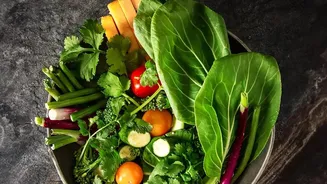
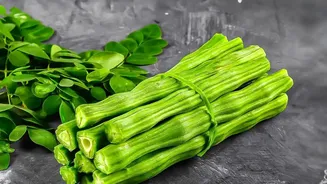
Nature provides a bounty of vegetables that are particularly well-suited for the monsoon climate. These tend to be hardier and less prone to the issues that affect more delicate produce. Good choices include a variety of gourds like lauki (bottle gourd), karela (bitter gourd), and ridge gourd. These vegetables have a robust structure and grow on vines, keeping them away from waterlogged soil. Other excellent options are bhindi (okra), cluster beans, pumpkin, and drumsticks. These vegetables are not only resilient but are also packed with nutrients that can help boost immunity, which is especially important during a season known for coughs and colds.
The Leafy Green Dilemma
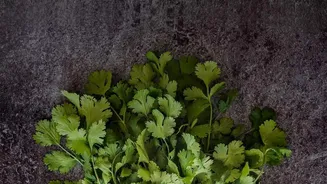
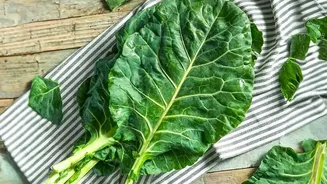
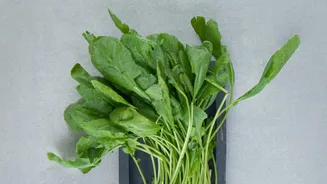
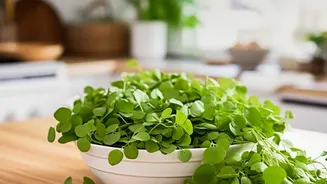
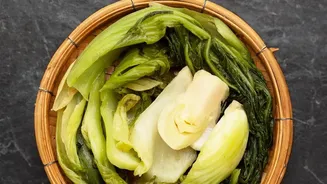
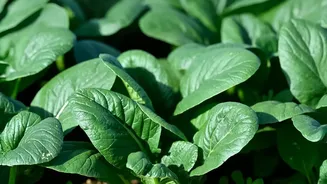
Health experts often advise caution with leafy greens like spinach, cabbage, and lettuce during the monsoon. Their large, layered leaves can easily trap mud, moisture, and microbes, making them difficult to clean thoroughly. However, this doesn't mean you must avoid them entirely. If you choose to buy leafy greens, be extra diligent. Opt for fresh, crisp-looking bunches and reject any that are wilted or slimy. The key is in the cleaning: they must be washed meticulously and cooked properly. Raw salads are best avoided during this season; steaming or cooking greens is a much safer alternative.
How to Select the Best Produce
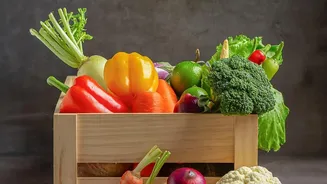
When at the market, your senses are your best tools. Look for vegetables that are firm to the touch and have a bright, natural colour. Avoid anything with cuts, bruises, soft spots, or visible signs of decay, as these are entry points for bacteria. For vegetables like cauliflower and broccoli, inspect the florets closely; their dense structure can trap moisture, mud, and insects. It's also wise to buy vegetables in smaller quantities more frequently rather than stocking up. This ensures you are always cooking with the freshest possible produce and reduces the risk of spoilage at home.
A Step-by-Step Cleaning Guide
Proper cleaning is your final line of defence. Start by washing your hands thoroughly before handling produce. Rinse all vegetables under cool, running water to remove loose dirt. Don't wash them and leave them to soak in a bowl, as they can reabsorb contaminants from the stagnant water. For a deeper clean, soak vegetables for 10-15 minutes in a solution of salt water (one tablespoon of salt per litre of water) or a vinegar solution (one part vinegar to three parts water). This helps kill bacteria and draw out hidden insects. For firm produce like cucumbers and gourds, use a vegetable brush to scrub the surface. Always rinse them again under running water before patting them dry with a clean towel.
Smart Storage for Longer Freshness
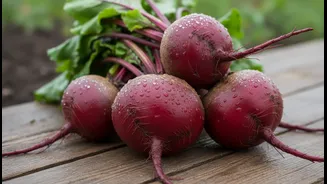
Once cleaned and dried, proper storage is essential to prevent mold and spoilage. Store most vegetables in the refrigerator to prolong their shelf life. Using breathable bags or perforated containers allows for air circulation and prevents moisture buildup. Keep raw meat and vegetables separate in the refrigerator to avoid cross-contamination. It's also a good practice to store different types of vegetables separately. For root vegetables like potatoes and onions, a cool, dry, and dark place away from the refrigerator is ideal. By managing your storage well, you can minimise waste and enjoy your vegetables for longer.