


Paradise Under Pressure
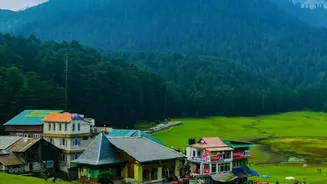
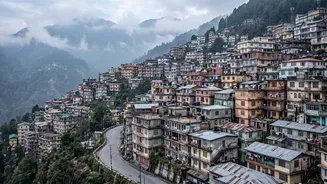
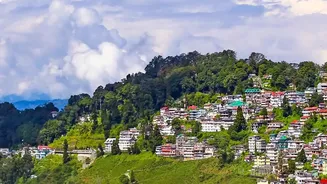
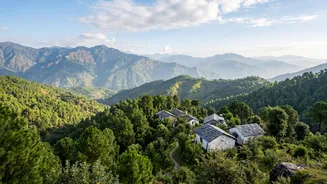
Destinations like Shimla, Manali, Mussoorie, and Darjeeling were established as tranquil retreats, often designed for a fraction of their current populations. Today, they are buckling under the weight of their own popularity. Shimla, originally built
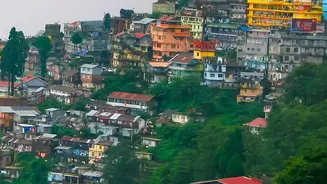
for about 25,000 people, now sees its population swell with tourist numbers that can reach tens of thousands daily in peak season. Similarly, Himachal Pradesh saw tourist arrivals jump significantly in recent years, while Uttarakhand has also witnessed a massive influx of visitors, straining resources to their absolute limit. This phenomenon, known as overtourism, occurs when the sheer volume of visitors overwhelms a destination's ability to cope, damaging the environment, local quality of life, and the very experience tourists seek.
The Infrastructure Collapse
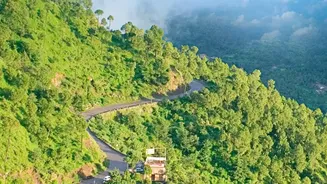
The most visible signs of this crisis are failing infrastructure. Legendary traffic jams on the narrow, winding roads leading to Manali or Nainital can last for hours, choking the mountain air with pollution. Water, a precious resource in the mountains, has become a critical issue. Shimla famously faced a "day zero" scenario in 2018, with taps running dry for days, forcing residents to queue for government tankers and prompting calls for tourists to stay away. Waste management is another enormous challenge. With inadequate facilities to process the garbage generated by millions of visitors, plastic bottles, food wrappers, and other waste accumulate on hillsides and pollute rivers. These are not isolated incidents but a recurring pattern across nearly all popular hill destinations.
Losing the 'Charm' to Concrete
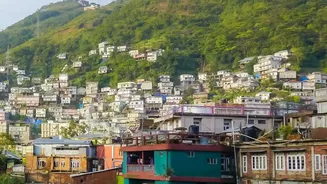
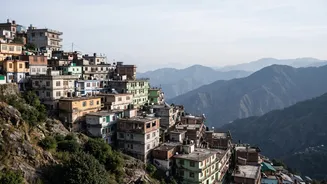
The intangible "charm" of these towns is also a casualty. Unchecked and often illegal construction is rampant, with concrete hotels and guesthouses replacing quaint colonial-era architecture and vital green cover. Forests are cleared and slopes are flattened to make way for buildings and parking lots, destabilising the fragile geology of the Himalayas and increasing the risk of landslides. This frantic development not only erases the architectural heritage but also transforms the social fabric. Local culture can become diluted or commercialised, tailored for tourist consumption rather than reflecting authentic traditions. The peaceful ambiance that once defined these getaways is being replaced by the noise and rush of an overcrowded city.
The Economic and Environmental Dilemma
Addressing the problem is complicated because local economies are deeply dependent on tourism. For many residents, the annual influx of visitors is their primary source of income. However, the benefits of this mass tourism are often not shared equitably, while the environmental and social costs are borne by the local communities. The very industry that sustains them is degrading the natural resources on which their home and livelihoods depend. This creates a difficult tightrope walk for policymakers: how to regulate tourism and protect fragile ecosystems without crippling the local economy. The land subsidence crisis in Joshimath and recurring flash floods in Uttarakhand serve as stark warnings of what happens when development ignores ecological limits in these sensitive zones.
Is There a Way Forward?
Experts and local communities agree that the solution isn't to stop tourism, but to make it sustainable. Proposals include enforcing a 'carrying capacity'—a legal limit on the number of daily visitors a destination can handle. Other ideas involve introducing a 'green cess' or tourist tax, with the funds exclusively used for improving waste management and water infrastructure. There is also a push to promote off-season travel and develop lesser-known destinations to distribute the tourist load more evenly, though this risks creating the same problems in new places if not managed carefully. Ultimately, a shift is needed from a model of unlimited growth to one of responsible, regulated, and eco-conscious travel that prioritises the long-term health of the mountains.