





From Predator to Partner
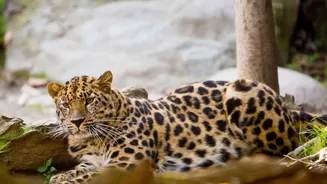
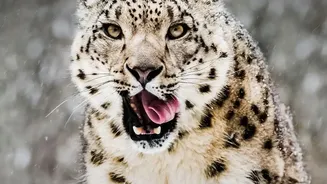
For generations, the 'Shan' or snow leopard was a threat to Ladakhi pastoralists, preying on their valuable livestock. This human-wildlife conflict often led to retaliatory killings of the endangered cat. However, a transformative shift is underway. A
pioneering conservation model, built on a simple economic principle, is changing this dynamic: when a living snow leopard generates more income than the livestock it might kill, communities have a powerful incentive to protect it. This idea is the foundation of Ladakh's ecotourism initiatives, which have evolved from community-led homestay programs into a more formalised safari experience. By turning former poachers and trackers into expert guides, the program leverages local knowledge for conservation.
The Official Safari Launch
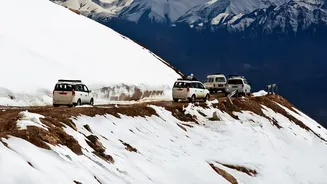
In a significant step, the Ladakh administration recently launched India's first official high-altitude wildlife safari in October 2026. Flagging off a fleet of specially designed, open-back vehicles, the initiative aims to regulate wildlife tourism, which has often been ad-hoc and potentially disruptive. The safaris, operated by the Snow Leopard and High-Altitude Nature Conservation (SHAN) Society in collaboration with the Forest Department, initially focus on known sighting hotspots like Rumbak, Shang, and Ulley. The goal is to provide a structured, safe, and respectful way for visitors to witness Ladakh’s incredible fauna while preventing issues like illegal off-roading that can damage the fragile ecosystem and disturb wildlife.
How the Community Benefits
This isn't just about creating a new tourist attraction; it's a carefully designed livelihood program. The new safaris exclusively use trained local drivers and wildlife guides, creating direct employment. This builds upon the success of the Himalayan Homestay program, an award-winning initiative started years ago by organizations like the Snow Leopard Conservancy India Trust. This program encourages tourists to stay in local homes, providing an authentic cultural experience and a vital source of income for families, particularly women who often run the homestays. Ten percent of all homestay income is often pooled into a village conservation fund, used for community projects like maintaining trails or building predator-proof livestock corrals, further strengthening the link between tourism and conservation.
More Than Just Safaris
The economic ambitions extend beyond just guides and homestays. The administration is actively promoting linked enterprises to ensure benefits are widely distributed. For instance, the Wild Animal Felting Programme trains women in villages to use local wool and traditional skills to create wildlife-themed handicrafts, providing souvenirs for tourists and an alternative income stream. By creating a conservation economy, a local guide earning from a snow leopard sighting, or a woman selling handicrafts, becomes a powerful example of how protecting nature can be an economic opportunity, not a burden. This model aims to make the local communities custodians of their environment.
The Safari Experience
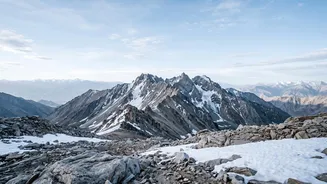
A snow leopard safari in Ladakh is an adventure that demands patience and respect for the environment. It is not like an African safari where wildlife is abundant and easily spotted from a vehicle. Expeditions take place in the harsh, stunning winter landscape, typically from November to March, when the cats descend to lower altitudes. Trackers, often local experts from villages like Ulley, use their deep knowledge of the terrain to find signs of the elusive 'Ghost of the Mountains'. Visitors stay in village homestays or dedicated eco-lodges, experiencing Ladakhi hospitality firsthand while supporting the local economy. The experience is a profound immersion into a world where wildlife, culture, and conservation are inextricably linked.