


The System is the Secret
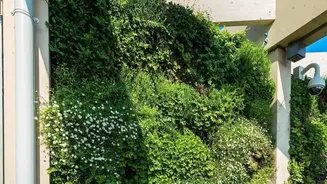
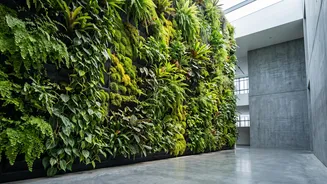
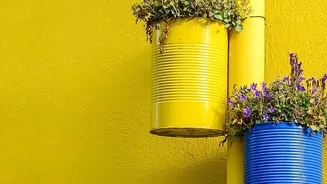
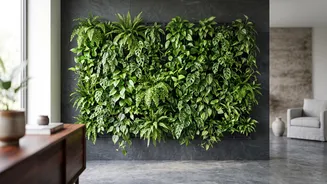
A true living wall is an integrated system, not just a display of containers. While hanging pots or using pocket planters can create a vertical garden effect, a living wall functions more like a single, cohesive ecosystem. These systems typically consist
of modular panels, trays, or felt layers mounted on a structural frame. Crucially, this structure includes a waterproof backing to protect the wall from moisture damage. The system holds a growing medium, which can be traditional soil in what are known as geoponic systems, or a soilless substrate like felt or rockwool in hydroponic setups. This integrated approach allows roots to spread and creates a more uniform and dense wall of green.
Irrigation: The Wall's Lifeline
Perhaps the biggest differentiator between a collection of pots and a true living wall is the irrigation. Manually watering dozens or hundreds of individual plant pockets is not only a chore but also highly ineffective. Plants at the top tend to dry out, while those at the bottom become waterlogged, leading to root rot. Professional and successful DIY living walls use automated drip irrigation systems. These systems deliver water and, in many cases, liquid nutrients directly to the plant roots through a network of tubes. This ensures every plant receives consistent moisture. A proper setup is a closed-loop system that includes a drain to catch and sometimes recirculate excess water, preventing damage and waste.
Light and Location Matter
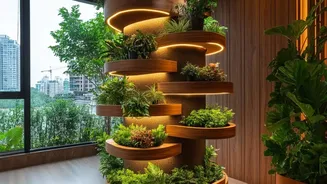
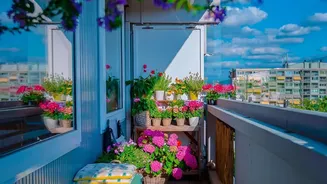
Before you even think about plants, you must assess the location. According to experts, one of the most common mistakes is failing to provide adequate lighting. For an indoor wall, the ambient light in a room is often insufficient for photosynthesis. Most successful indoor living walls require dedicated, full-spectrum grow lights to ensure all plants, from top to bottom, receive an even wash of light. For outdoor walls, carefully observe the sun exposure throughout the day. A wall receiving harsh afternoon sun will require very different plants than one in deep shade. Also consider factors like wind and, for Indian homes, the heavy downpours of the monsoon season.
Choosing Your Vertical Palette
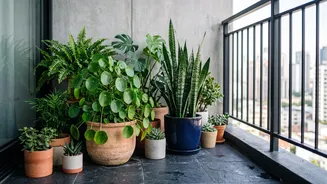
Plant selection is an art and a science. The key is to choose species with similar needs for light, water, and humidity. Grouping a fern that loves moisture with a succulent that prefers to stay dry is a recipe for failure. For indoor walls in Indian homes, hardy, low-light tolerant plants like the Money Plant (Pothos), Snake Plant, ZZ Plant, and Peace Lily are excellent choices. They are resilient and can handle the typical indirect light found in many apartments. For brighter spots or outdoor walls, you can explore flowering plants, herbs, or even vegetables. Always consider the plant's mature size and growth habit to avoid faster-growing species smothering their neighbours.
A Commitment to Care
A living wall is not a 'set it and forget it' installation. It’s a garden, and it requires ongoing maintenance. This includes regularly checking the irrigation system for clogs, monitoring nutrient levels, and pruning plants to encourage healthy growth and prevent them from over-shading lower sections. You should also be prepared to replace plants that may fail over time, as this is a natural part of any garden's life cycle. Thinking about accessibility during the planning phase is critical; if you can't easily reach every part of the wall, maintenance becomes nearly impossible.