





A Once-in-a-Dozen-Year Wonder
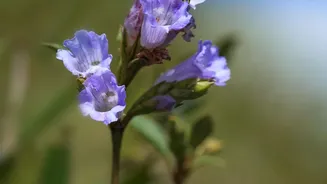
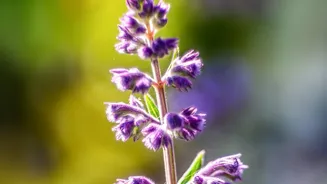
The Neelakurinji, or Strobilanthes kunthiana, is not just any flower. It is a natural phenomenon. This shrub, native to the shola forests of the Western Ghats, has a unique life cycle where it bursts into a mass flowering only once every 12 years. This synchronized
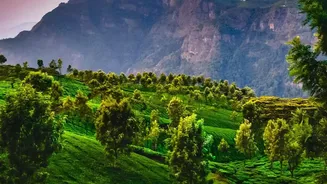
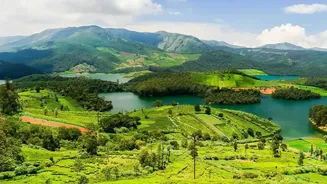
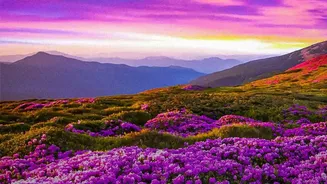
bloom transforms entire hillsides into a breathtaking carpet of purplish-blue blossoms, a spectacle that is so iconic it is believed to have given the Nilgiri Hills—meaning 'Blue Mountains'—their name. The last major bloom occurred in 2018, making the 2026 season a highly anticipated event for nature lovers, botanists, and tourists from around the world. After flowering, the plant dies and releases its seeds, which will lie dormant for over a decade before the cycle begins anew.
Paradise Under Pressure
Unfortunately, the very rarity that makes the Neelakurinji special also puts it in peril. Each blooming season attracts a massive influx of tourists. While tourism brings economic benefits, the unregulated crowds have historically caused significant damage. Reports from previous blooms detail visitors trampling the fragile shrubs to take selfies, plucking the protected flowers as souvenirs, and leaving behind trails of litter. These actions not only destroy the current blooms but also disrupt the plant's delicate reproductive cycle, preventing seeds from setting for the next generation. Recognizing these threats, a report was submitted to the National Green Tribunal highlighting that habitat degradation, infrastructure expansion, and unregulated tourism have made Neelakurinji a threatened species.
The Government Draws a Line
In response to the growing ecological concerns, authorities have implemented a strict new measure. The Ministry of Environment, Forest and Climate Change has listed Neelakurinji under Schedule III of the Wildlife (Protection) Act. As a result, the Forest Department has announced that anyone found plucking or damaging Neelakurinji plants will face a hefty fine of ₹25,000 and potentially up to three years in prison. This decisive action sends a clear message: the preservation of this natural heritage is a top priority. The fine is not just a punishment but a strong deterrent designed to change public behaviour and instill a sense of respect for the fragile ecosystem.
Navigating the Bloom Responsibly
Alongside the fine, the Tamil Nadu Forest Department has introduced several other measures to manage the 2026 bloom. Public access to many of the flowering sites in the Gudalur region has been restricted, especially in areas that are known corridors for wild elephants. This is to protect both the visitors from potential human-animal conflict and the wildlife from human disturbance. For areas that remain open, forest guards have been deployed to guide visitors. Tourists are urged to stick to designated trails, refrain from touching or plucking any plant life, and carry out all their waste. The goal is to create a model of sustainable tourism where people can appreciate the beauty of the bloom without compromising its future.