





A Crucial Boost for India's Own GPS
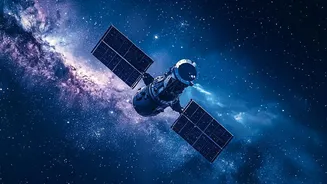
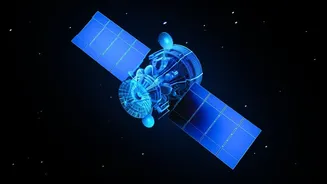
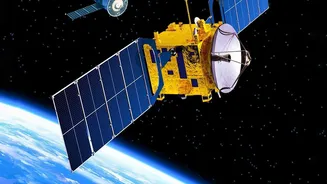
The upcoming launch of the NVS-03 satellite is a critical step for India's homegrown navigation system, NavIC (Navigation with Indian Constellation). Think of NavIC as India's answer to the American GPS, but designed specifically for the Indian subcontinent
and a 1,500-kilometre region around it. This system is vital for both civilian and military applications, from guiding fishing vessels at sea and managing disaster relief to providing precise location data for missile systems and troop movements. The successful deployment of NVS-03 is particularly important as it will restore the minimum number of satellites required for the NavIC constellation to function independently. Currently, the system is below the four-satellite threshold needed for standalone positioning services.
Why NavIC Needs This Upgrade
A satellite navigation system's accuracy depends on ultra-precise timekeeping, which is handled by onboard atomic clocks. Some of the earlier satellites in the NavIC constellation, which was originally called the Indian Regional Navigation Satellite System (IRNSS), faced issues with their imported atomic clocks. To address this, ISRO developed its own Rubidium atomic clocks, which are a key feature of the new-generation NVS series. The NVS-03 mission is especially significant following the unsuccessful launch of its predecessor, NVS-02, in January 2025, which failed to reach its intended orbit. This upcoming launch will not only replenish the constellation but also validate the corrective measures ISRO has since implemented.
Second-Generation Satellite, First-Class Features
NVS-03 is the third satellite in the second generation of NavIC spacecraft, designed to be more robust and feature-rich than the first series. One of the most significant upgrades is the introduction of a new L1 frequency band for civilian signals. This is the same band used by most consumer devices like smartphones and fitness trackers that rely on GPS. This addition will make it much easier for NavIC to be integrated into everyday gadgets without needing special hardware, paving the way for wider commercial and public adoption. Furthermore, the NVS satellites are designed for a longer mission life of 12 years, an improvement over the 10-year lifespan of the original satellites.
The Strategic Importance of Self-Reliance
Having a sovereign navigation system is a matter of immense strategic importance. India's reliance on the US-operated GPS became a point of vulnerability during the 1999 Kargil War, when access to critical location data was reportedly denied. An independent system like NavIC ensures that India's defence forces have guaranteed access to secure, encrypted positioning, navigation, and timing services at all times, without depending on foreign nations that could restrict access during a conflict. This technological self-reliance extends to disaster management, where NavIC can provide uninterrupted information for rescue operations, and to critical infrastructure like transportation and power grids.
The Launch Campaign Is Underway
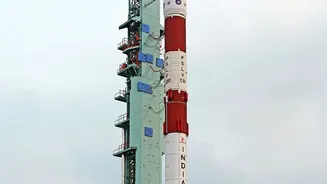
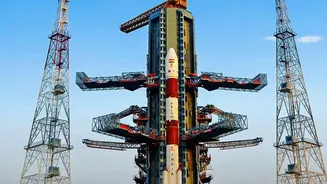
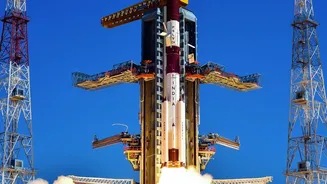
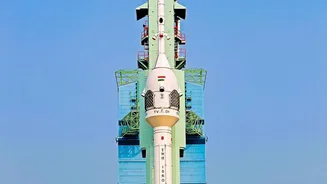
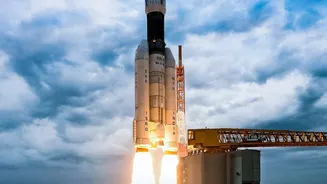
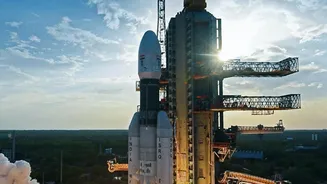
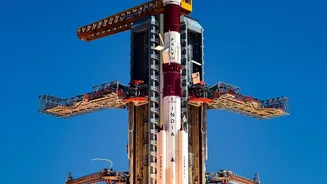
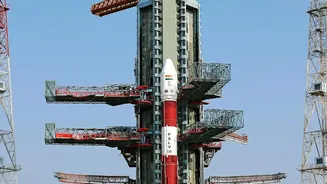
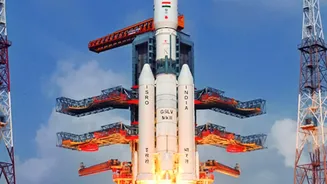
Preparations for the mid-October launch are already in full swing at the Satish Dhawan Space Centre in Sriharikota. The launch campaign for the GSLV-Mk2 rocket, which will carry the 2,232 kg satellite into orbit, began on September 14. The process of stacking the rocket's first stage has already been completed. Once launched, NVS-03 will be placed in a geosynchronous orbit, where it will join the existing satellites to strengthen and reactivate India's eye in the sky. Following NVS-03, ISRO has two more satellites in the series, NVS-04 and NVS-05, in advanced stages of development to further bolster the NavIC system.