




The Royal Source
The story of neroli oil begins with a specific tree: the bitter orange, or Citrus aurantium amara. While the tree is native to parts of Asia, it has been cultivated for centuries in the sunny climates of the Mediterranean, with Tunisia and Morocco now
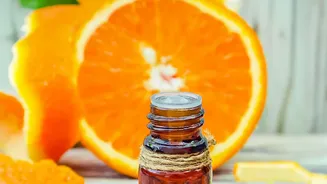
being leading producers. The name 'neroli' itself has a regal history, reportedly named after Anne Marie Orsini, the 17th-century princess of Nerola, Italy. She famously used the essence of the bitter orange blossom to perfume her gloves and bathwater, popularizing the scent among European nobility. This tree is a marvel of perfumery; its peel provides bitter orange oil, its leaves give us petitgrain, and its flowers are the source of the prized neroli oil.
A Delicate Harvest by Hand
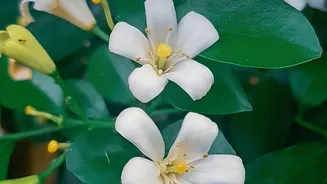
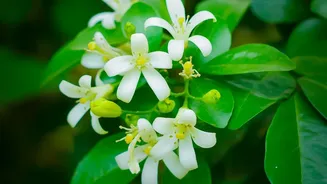
The transformation from blossom to oil is incredibly labour-intensive. The small, white, waxy flowers of the bitter orange tree are harvested by hand, typically from late April into early May. This isn’t a task that can be rushed or automated. To preserve the flower's fragile aromatic compounds, pickers must work carefully, often at dawn, to gather the blossoms just as they are beginning to open. Any bruising of the petals can compromise the quality of the final oil. The sheer volume of flowers required is staggering: it takes about 1,000 pounds, or nearly 450 kilograms, of blossoms to produce just one pound of neroli oil. This immense effort is a primary reason for the oil's high cost.
The Art of Steam Distillation
Once harvested, the blossoms must be processed quickly before they wilt. Neroli oil is extracted using steam distillation, an ancient technique refined over centuries. In this process, the fresh flowers are placed in a still, and steam is passed through them. The heat and steam cause the plant's cell walls to burst, releasing the aromatic molecules as vapor. This fragrant vapor is then channeled into a condenser, where it is cooled, turning it back into a liquid. Because oil and water don't mix, the precious neroli essential oil naturally separates and floats to the top, where it can be carefully collected. The fragrant water left behind is known as orange blossom water or neroli hydrosol, which is also used in skincare and even in culinary arts.
What Makes It So Special?
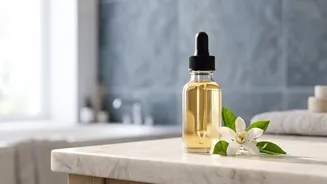
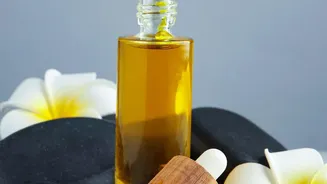
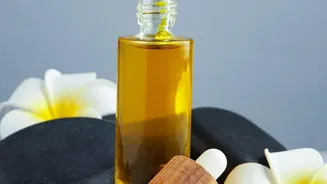
The result of this painstaking process is a pale yellow oil with a uniquely complex scent. Neroli is celebrated for its ability to be simultaneously floral, citrusy, and slightly green, with sweet, honeyed undertones. This profile distinguishes it from orange blossom absolute, which comes from the same flower but is extracted using solvents, resulting in a richer, warmer, and headier aroma. Neroli's scent is often described as fresh, bright, and uplifting. Its chemical makeup includes compounds like linalool and limonene, which contribute not only to its fragrance but also to its reputed benefits in aromatherapy for reducing stress and anxiety.
From Elixir to Beauty Bottle
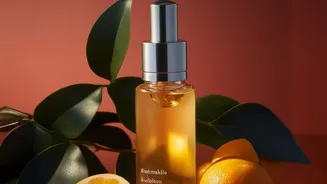
In the world of beauty and skincare, neroli oil is prized for more than just its beautiful scent. It is valued for its potential to help regenerate skin cells, which makes it a popular ingredient in products aimed at improving the appearance of scars, fine lines, and stretch marks. With antimicrobial and anti-inflammatory properties, it can be beneficial for reducing redness and irritation, especially for those with sensitive or acne-prone skin. As an antioxidant, it helps protect the skin from environmental stressors. Whether blended into a facial serum, a body lotion, or the heart of a fine perfume, neroli oil brings a touch of luxury and a wealth of benefits that are a direct result of its demanding journey from branch to bottle.