





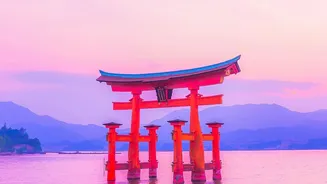
1. Fushimi Inari Shrine, Kyoto
The endless path of thousands of vibrant vermilion torii gates winding up a mountainside is one of Japan's most iconic images. Fushimi Inari is the head shrine for some 30,000 Inari shrines across the country, making it a deeply significant cultural and spiritual
site. This, combined with its undeniable photogenic appeal, creates a constant flow of visitors. The main path, especially the famous Senbon Torii (Thousand Torii) section near the entrance, often becomes a slow-moving, tightly packed queue of people trying to get that perfect photo without anyone else in the frame. The crowds can be so dense that Japanese travelers have reportedly started avoiding it. To find a moment of peace, your best strategy is to arrive at sunrise, before 7 AM. Alternatively, don't be afraid to keep climbing. The further you ascend Mount Inari, the more the crowds thin out, revealing quieter sub-shrines and offering a more authentic, reflective experience away from the main thoroughfare.
2. Arashiyama Bamboo Grove, Kyoto
Walking through a forest of towering, rustling bamboo is a magical experience, symbolizing strength and purity in Japanese culture. Unfortunately, the main path through Arashiyama is often more of a shuffle than a serene stroll. The narrow walkway becomes congested with tour groups and photographers from mid-morning onwards. The immense popularity has sadly led to issues with 'nuisance tourism,' including vandals carving into the bamboo stalks, which causes permanent damage. To experience its ethereal beauty, you must go extremely early. Arriving right after sunrise allows you a small window to hear the wind through the bamboo without the constant chatter and foot traffic. Another option is to visit during the Hanatoro festival in March, when the grove is illuminated by lanterns at night, offering a different kind of magic, though it can still be busy. Exploring the wider Arashiyama area, including the temples and parks away from the main grove path, can also provide a more peaceful alternative.
3. Kiyomizu-dera Temple, Kyoto
Perched on a hillside with its famous wooden stage offering panoramic views of Kyoto, Kiyomizu-dera is a UNESCO World Heritage site and a must-see for many. Its popularity with tour groups and school trips, especially during cherry blossom and autumn foliage seasons, means the grounds can become incredibly packed. The approach through the narrow, shop-lined streets of the Higashiyama District also gets heavily congested. The ultimate strategy here is to take advantage of the temple’s 6 AM opening time. Arriving at dawn allows you to explore the main hall and stage in relative tranquility. While a small crowd often gathers even at this early hour, it's nothing compared to the midday rush. Special night viewings are spectacular but also draw huge crowds, so be prepared for a packed experience if you choose to go then.
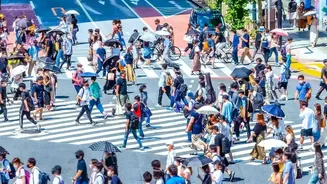
4. Shibuya Crossing, Tokyo
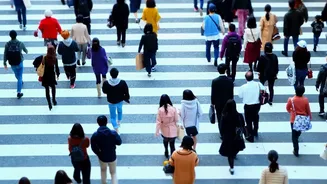
Known as the world's busiest pedestrian intersection, Shibuya Crossing is a mesmerizing spectacle of organized chaos. At peak times, up to 2,500 people cross every two minutes, creating a human wave under the glow of neon billboards. This symbol of modern Tokyo's energy draws crowds who want to experience the 'scramble' firsthand. The busiest period is typically on weekdays between 5 PM and 7 PM, when commuters, shoppers, and tourists converge. For a less overwhelming experience, visit on a weekend morning or later at night. To truly appreciate the scale of the crossing, find a viewpoint above the fray. The Starbucks in the QFRONT building is a classic spot, though often crowded itself. A less-congested option is the walkway in Shibuya Station connecting the JR lines and the Keio Inokashira Line, which offers a great perspective on the action below.
5. Nishiki Market, Kyoto
Dubbed "Kyoto's Kitchen," Nishiki Market is a narrow, five-block long shopping street lined with over one hundred shops and restaurants. It’s a fantastic place to explore local delicacies, from fresh seafood to traditional sweets and pickles. However, its narrow confines mean it gets extremely crowded, especially around lunchtime, making it difficult to navigate and browse comfortably. The high volume of tourists has also led to reports of rising prices. Similar to other popular spots, the best advice is to time your visit strategically. Go early in the morning when the shops are just opening, or later in the afternoon when the lunch rush has subsided. This allows you more space to see what vendors are offering and to sample treats without feeling rushed. Some travelers suggest that for a less tourist-focused market experience, Osaka's Kuromon Market can be a great alternative.