







From Smooth Silence to Simulated Sensation
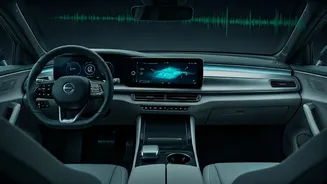
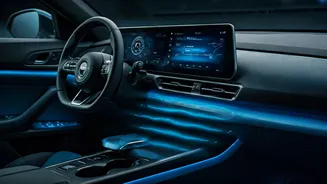
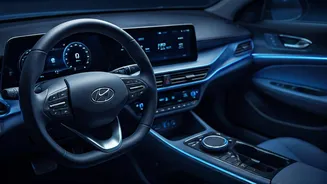
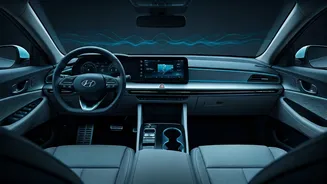
Hyundai is looking to equip its future electric vehicles with features that simulate the physical sensations of a traditional internal combustion engine (ICE). This includes not just synthetic engine sounds, but also physical vibrations felt within the cabin,
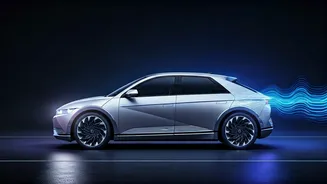
simulated gear shifts, and even fake exhaust backfires. The idea stems from the success of features in the high-performance Ioniq 5 N, which introduced systems called N e-Shift and N Active Sound+. N e-Shift mimics the feel of an eight-speed dual-clutch transmission, creating a jolt between shifts by controlling motor torque. N Active Sound+ uses a combination of 10 speakers to pipe in responsive sounds, from a classic engine roar to a futuristic jet-inspired whine. The positive reception to these features has emboldened Hyundai to push the concept even further.
Why Add Imperfections Back In?
The core motivation is driver engagement. While EVs are incredibly fast and efficient, some driving enthusiasts miss the visceral, multi-sensory feedback of a petrol-powered car—the subtle vibrations at idle, the surge and sound of a downshift, and the mechanical connection to the machine. Manfred Harrer, Hyundai's global head of R&D, explained that while some critics call it fake, the public response has been overwhelmingly positive. "A lot of people say it's fake, but people like it, so there is some beauty—and why not play around with it?" he stated in an interview. The goal isn't to trick the driver, but to restore a layer of fun and feedback that is lost in the silent efficiency of many EVs. By adding these sensory cues, Hyundai aims to make its performance EVs more immersive and emotionally resonant, a strategy that sets it apart from competitors focused purely on metrics like acceleration times and range.
How the Technology Works
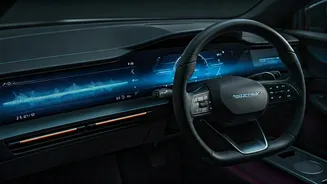
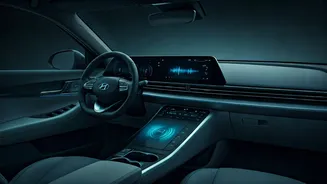
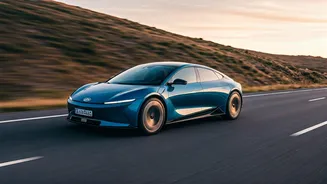
The existing technology in the Ioniq 5 N offers a preview of what’s to come. N e-Shift uses software to manipulate the electric motor's torque output, creating a perceptible jolt that feels like a gear change, even though the car has a single-speed transmission. This is paired with the N Active Sound+ system, which generates corresponding audio cues through internal and external speakers. For future models, Hyundai is experimenting with ways to generate physical vibrations that sync with the simulated engine sounds and speed. These new features will likely be built into Hyundai's next-generation Integrated Modular Architecture (IMA) platform, which is expected to succeed the current E-GMP platform around 2028. This new platform will serve as the foundation for the next wave of Hyundai's electric vehicles, including a potential second-generation Ioniq 5.
A Gimmick or the Future of Fun EVs?
The idea of adding fake sounds and vibrations to a technologically advanced EV is polarizing. Some purists dismiss it as an unnecessary gimmick. However, the praise for the Ioniq 5 N, including from rival automakers like Porsche, suggests Hyundai is onto something. These features provide crucial feedback that can make driving at speed more intuitive. The simulated gearshifts, for instance, give drivers an audible and physical reference for their speed and the motor's power band, much like in an ICE car. This trend is not unique to Hyundai; Porsche, BMW, and other brands are also exploring their own versions of virtual shifting and sound enhancement. Hyundai's move to add vibrations and other haptic feedback is seen as the next logical step in this evolution. As Harrer noted, Hyundai's N performance division is deliberately positioning itself as focused on fun, not just sterile performance.