


More Than Just a Trend
Long before they became a wellness trend, fermented foods were a cornerstone of Indian cuisine. From the fluffy idlis and crisp dosas of the South to the dhokla of the West and tangy pickles found nationwide, fermentation is a traditional method of food preservation
that enhances flavour and nutritional value. The process involves beneficial microorganisms like bacteria and yeast breaking down sugars and starches in food. This not only preserves the food but also creates probiotics, the 'good' bacteria famous for supporting gut health. These foods are rich in nutrients, with the fermentation process often increasing the bioavailability of vitamins and minerals, meaning our bodies can absorb them more easily.
The Immunity Connection: Helpful, Not a Cure
Many sources link fermented foods to a stronger immune system, and there's some truth to it. A healthy gut microbiome is crucial for overall wellness, including immune function. Probiotics from foods like dahi and kefir can help maintain a healthy balance of gut bacteria, which in turn supports our body's defence mechanisms. Some studies have even shown that a diet rich in fermented foods can be associated with a decrease in inflammatory markers in the body. However, it's a mistake to view them as a magic bullet or a 'cure' for illnesses. They are a supportive part of a healthy lifestyle, not a standalone solution. A balanced diet, regular exercise, and adequate sleep remain the pillars of a robust immune system.
Finding a Place on Your Plate
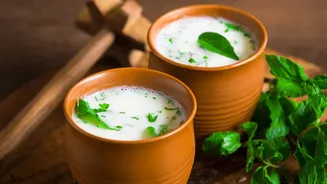
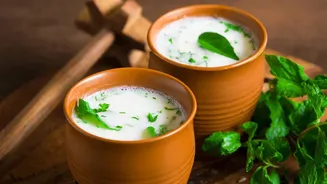
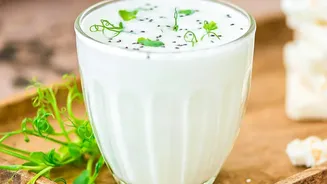
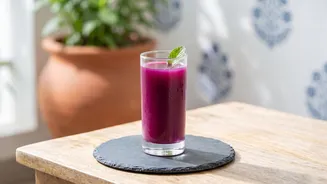
Integrating fermented foods into your diet is simple, especially in India where they are already so common. Starting your day with idli, having a bowl of dahi with lunch, or enjoying a glass of kanji can be great ways to get your dose of probiotics. The key is variety and moderation. Fermented foods are one component of a nutritious diet, not a replacement for fresh vegetables, fruits, and whole grains. They work best when consumed as part of a diverse eating pattern that nourishes a wide range of beneficial gut microbes. When buying commercially prepared fermented foods, it is wise to check the labels for excessive added sugar, salt, or fat to ensure you're making a healthy choice.
The Risks of Going DIY
The trend of homemade fermentation has grown, but it comes with significant food safety risks if not done correctly. The goal of fermentation is to encourage the growth of good bacteria while suppressing harmful ones. However, improper techniques can lead to the growth of unwanted mould or pathogenic bacteria, which can cause food poisoning. Issues like using unsterilised jars, incorrect salt concentrations, or fermenting at the wrong temperature can turn a healthy project into a hazardous one. In rare but serious cases, improper fermentation can create an environment for the growth of Clostridium botulinum, the bacterium that causes botulism, a severe illness.
How to Ferment and Eat Safely
To enjoy fermented foods without worry, follow some basic safety guidelines. When fermenting at home, always start with a thoroughly clean environment. Sterilise all jars, lids, and utensils with boiling water to kill any unwanted microbes. Use fresh, high-quality ingredients and follow a trusted recipe precisely, especially regarding the amount of salt, which is crucial for safety. When your ferment is ready, inspect it carefully. Discard anything with a strange smell, unusual colour, or fuzzy mould. If you're buying fermented products, choose reputable brands and ensure they are properly refrigerated if required. For most people, fermented foods are perfectly safe, but those with compromised immune systems should exercise extra caution.