




What Exactly is Seed Cycling?
Seed cycling is a natural health method where you eat specific seeds during the two main phases of your menstrual cycle: the follicular and luteal phases. The idea is to provide your body with nutrients that are thought to support the primary hormones
of each phase—estrogen and progesterone. It's presented as a gentle, food-based way to potentially ease symptoms associated with hormonal fluctuations, like irregular periods or PMS. For at least three months, practitioners consume a daily dose of certain seeds to see if they notice benefits.
The Two-Phase Protocol
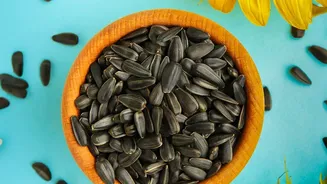
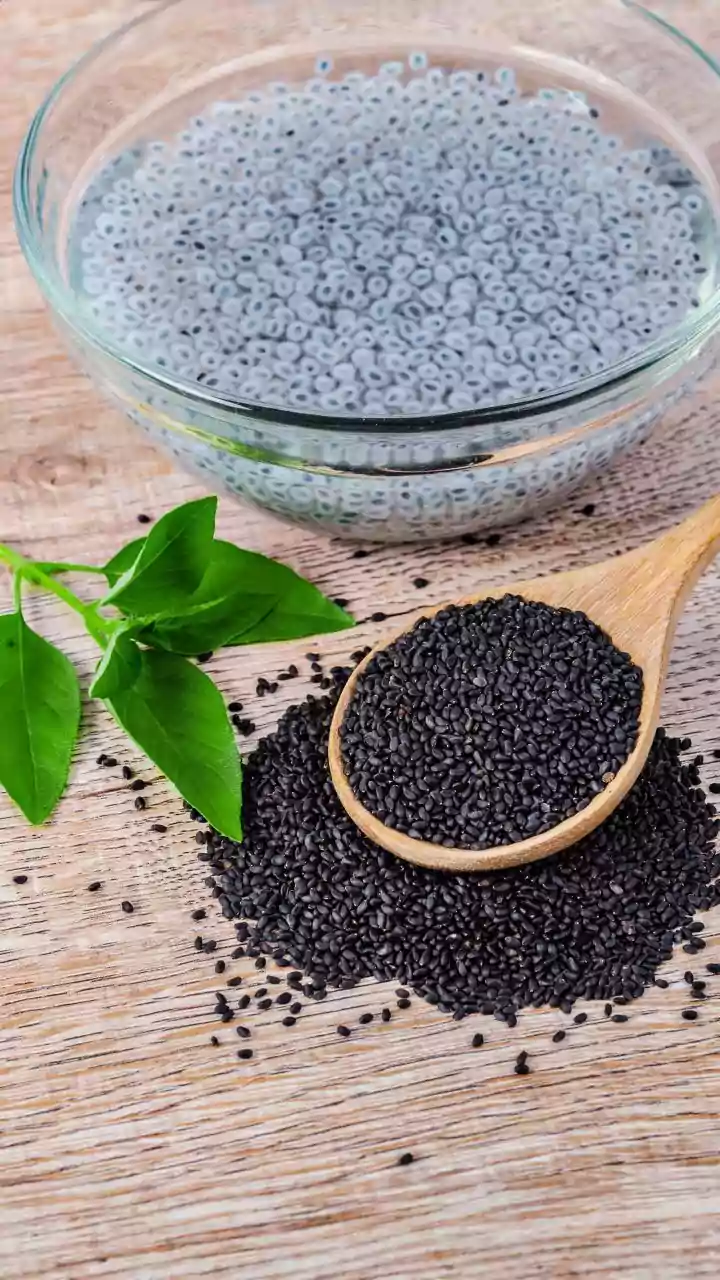
The menstrual cycle is broadly divided into two halves. The seed cycling protocol aligns with this natural rhythm. The first part is the follicular phase, which starts on the first day of your period and ends with ovulation, typically lasting about 14 days. During this time, estrogen is the dominant hormone. The protocol calls for one tablespoon each of ground flaxseeds and pumpkin seeds daily. The second part is the luteal phase, from ovulation until your next period, also around 14 days. Here, progesterone levels rise. The recommended seeds are one tablespoon each of ground sesame and sunflower seeds. If you have an irregular cycle, some suggest following the phases of the moon as a guide.
Why These Specific Seeds?
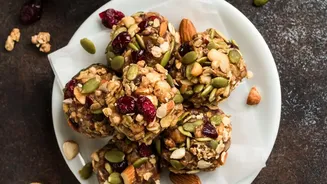
The theory behind seed cycling centers on the unique nutritional profiles of the four seeds. During the follicular phase, flaxseeds provide lignans, which are phytoestrogens that may help modulate estrogen levels. Pumpkin seeds are rich in zinc, a mineral thought to support progesterone production for the upcoming luteal phase. In the luteal phase, sesame seeds also contain lignans that are believed to support progesterone. Sunflower seeds are a great source of vitamin E, which some studies link to progesterone support. Collectively, the seeds deliver healthy fats, fibre, and minerals beneficial for overall health.
What Does The Science Say?
This is where things get complicated. While the individual seeds are undeniably nutritious, there are currently no large-scale clinical trials that validate the practice of seed cycling as a combined protocol. The evidence supporting its claims is largely theoretical and anecdotal. Some small studies have looked at the components. For example, flaxseeds have been linked to improved menstrual regularity in some women, and zinc may help with menstrual pain. However, one study found no significant difference in progesterone levels with zinc supplementation. A 2025 review noted some evidence that the practice might help with PMS and menstrual regularity but stressed that much more research is needed to draw firm conclusions. Most experts agree that while the practice is low-risk for most people, its boldest claims are not yet backed by strong science.