





Beyond Stability: What Is Balance Training?
When most people hear 'balance training', they picture simply trying not to fall over. While that's part of it, the real magic lies in improving proprioception—your body's ability to sense its position in space. Think of it as your internal GPS. Every
time you stand on one leg, walk on an uneven surface, or catch yourself from a stumble, your nervous system is firing off messages between your brain, muscles, and joints. Training this system makes your body 'smarter', improving reaction time and coordination. The benefits go far beyond just preventing falls, which is especially crucial as we age. Good balance is foundational for almost every movement, from walking to complex athletic activities. It builds a stronger core, enhances joint stability, and significantly reduces your risk of injury, whether you're in the gym or just carrying groceries.
Mobility: The Freedom to Move Well
Mobility is often confused with flexibility, but they aren't the same. Flexibility is the ability of a muscle to lengthen passively—like when you hold a hamstring stretch. Mobility, on the other hand, is the ability to actively move a joint through its full range of motion with control. Think about squatting down to pick something up or reaching overhead to a high shelf. That's mobility in action. It’s an umbrella term that includes flexibility but also strength and stability. A sedentary lifestyle can lead to stiff joints and restricted movement. Incorporating mobility exercises helps to lubricate the joints, activate key muscle groups, and improve your overall movement quality. It's not about becoming a contortionist; it's about maintaining the freedom to move easily and without pain in your daily life.
The Ultimate Workout Partners
Instead of viewing balance and mobility as separate workouts, think of them as essential partners that enhance what you already do. Good mobility allows you to perform strength exercises with better form. For example, improved hip mobility can lead to a deeper, safer squat, while better shoulder mobility can improve your overhead press. This means you get more out of every single repetition. Similarly, balance training strengthens the stabilizer muscles in your core, hips, and ankles, creating a solid platform for both strength training and cardio. A stable body is a strong body. Better balance and coordination can make you a more efficient runner and reduce the risk of common injuries like ankle sprains. Integrating these elements doesn't require adding hours to your week; often, just 5-10 minutes during your warm-up can make a significant difference.
Simple Exercises to Get Started
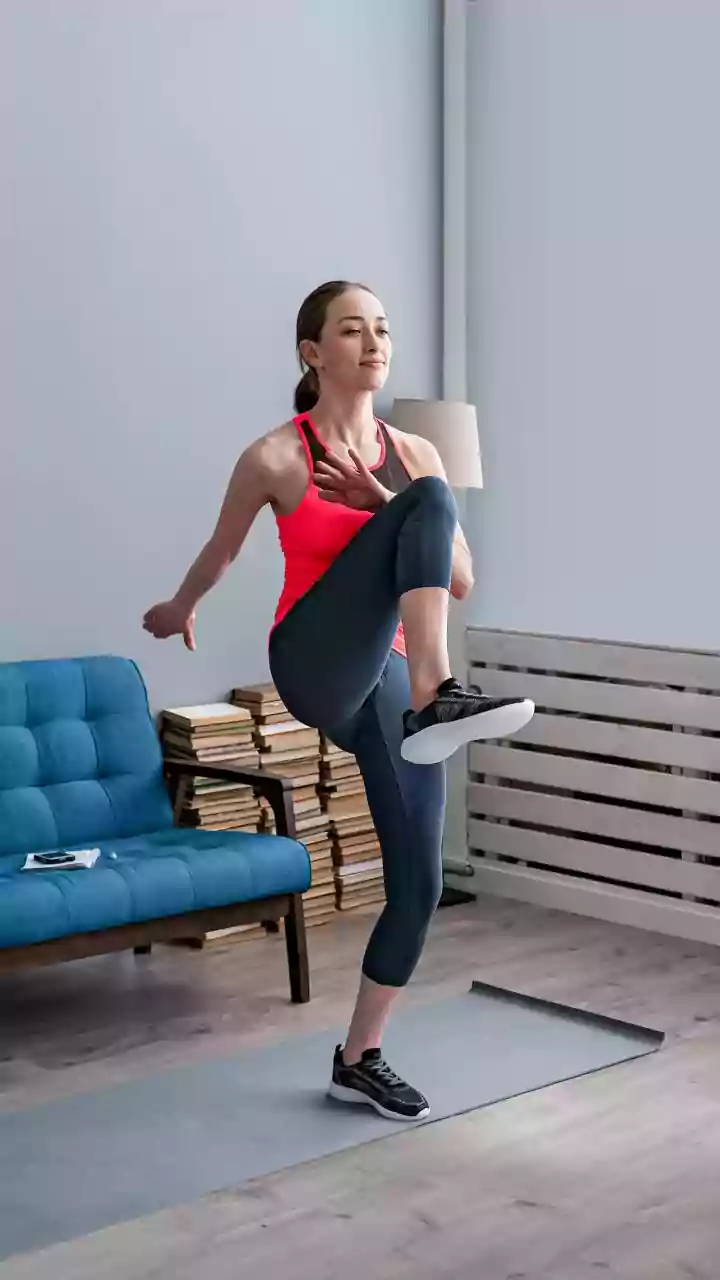
Getting started with balance and mobility is simple and requires little to no equipment. For balance, begin near a wall or chair for support if needed. Try a single-leg stand, aiming to hold for 10-30 seconds on each side. As you progress, you can add small movements like writing the alphabet in the air with your raised foot. Another great exercise is the heel-to-toe walk, where you place one foot directly in front of the other as if walking on a tightrope. For mobility, focus on dynamic movements that take your joints through their range of motion. Cat-cow stretches are excellent for spinal mobility. Gentle hip circles and leg swings can help open up your hips. Arm circles, both forward and backward, are great for the shoulders. The key is to move in a slow, controlled manner, focusing on the quality of the movement rather than speed or quantity.