

Batata Vada: The Soul of Maharashtra
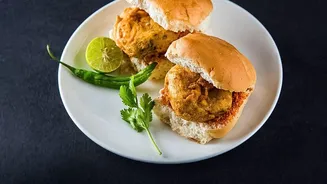
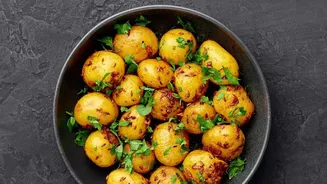
Straight from the heart of Maharashtra, the Batata Vada is a humble yet iconic street food, especially in Mumbai. The word 'batata' simply means potato, which is the star of this dish. A fluffy, spiced potato mash—seasoned with ginger, garlic, chillies,
and curry leaves—is formed into a ball, dipped in a thick gram flour (besan) batter, and deep-fried to golden perfection. The result is a fritter that’s crispy on the outside with a soft, flavourful interior. But the Batata Vada truly becomes a complete meal when it’s transformed into Vada Pav. This beloved snack involves placing the hot vada inside a soft bread roll called a 'pav,' which is often slathered with a variety of chutneys. The most essential accompaniments are a fiery dry garlic chutney, a fresh green coriander chutney, and sometimes a sweet tamarind chutney, all served with a side of fried green chillies for an extra kick.
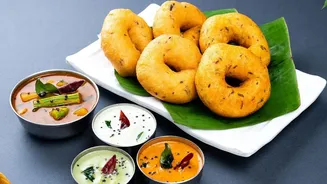
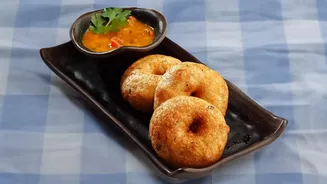
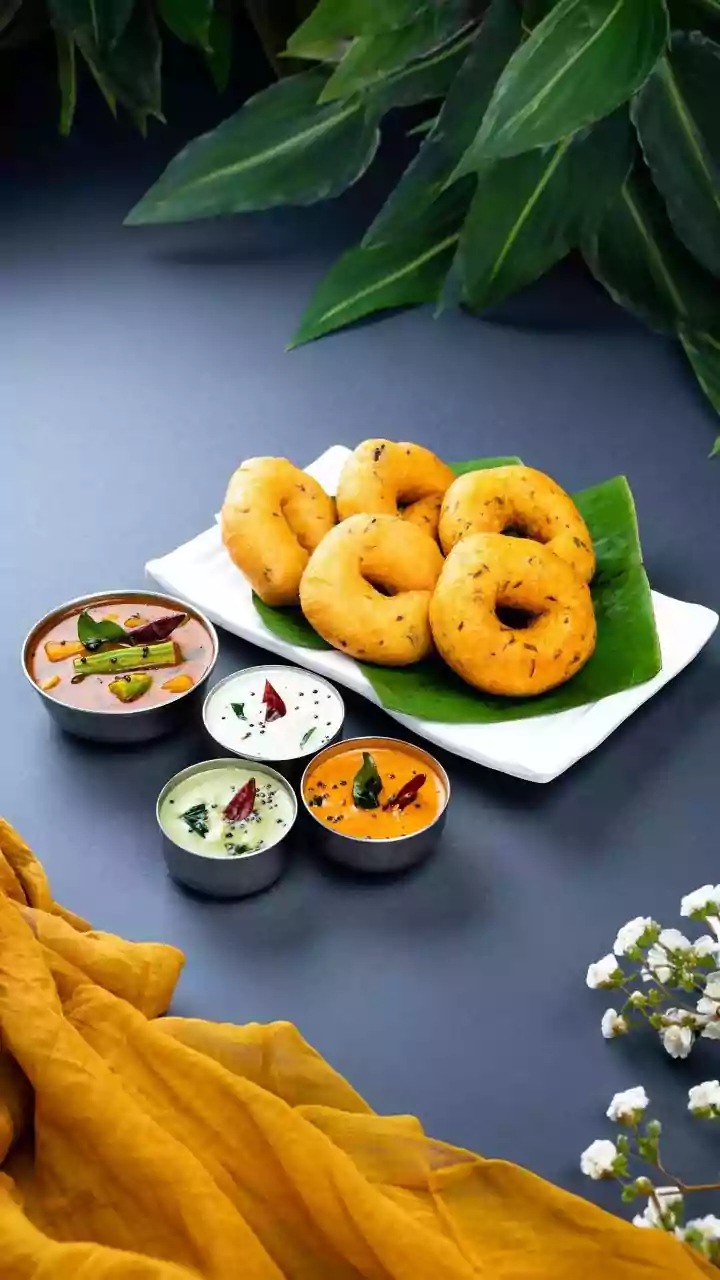
Medu Vada: The South Indian Doughnut
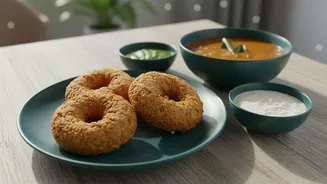
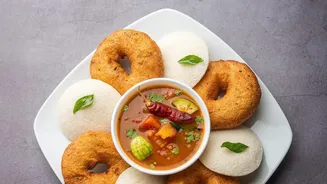
A staple of South Indian breakfast tables, the Medu Vada is perhaps one of the most recognizable varieties of vada. Shaped like a savoury doughnut with a distinctive hole in the center, this vada boasts a delightful textural contrast: a perfectly crisp exterior gives way to a light, fluffy, and soft interior. The name itself gives a clue, with 'medu' meaning soft in Kannada and Tamil. It is made from a batter of soaked and ground urad dal (black gram lentils), seasoned with simple but aromatic ingredients like green chillies, ginger, cumin, and curry leaves. The preparation is an art, as the batter must have the right consistency to be shaped by hand and fried. Medu Vada is rarely served alone; its classic partners are a bowl of hot, tangy sambar (a lentil-based vegetable stew) and a side of fresh coconut chutney. Dunking the vada in sambar allows it to soak up the flavourful broth, creating a melt-in-your-mouth experience.
Masala Vada: The Crunchy Tea-Time Favourite
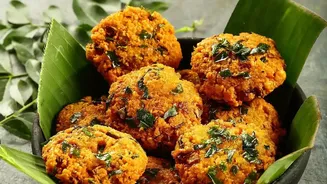
Also known as Paruppu Vadai in Tamil Nadu or Dal Vada, this fritter is a crunch-lover's dream. Unlike the soft Medu Vada, the Masala Vada is celebrated for its coarse, rustic, and satisfyingly crispy texture. It’s made primarily from chana dal (split Bengal gram) that has been soaked and coarsely ground, leaving some whole lentils intact for extra crunch. The 'masala' in its name refers to the bold mix of spices and aromatics mixed into the dal, which typically includes finely chopped onions, fennel seeds, ginger, green chillies, and fresh herbs like coriander and mint. These ingredients give the vada its signature flavour. Shaped into rough, flattened discs, these vadas are deep-fried until they are a deep golden brown. They are a popular evening snack across South India, especially in Kerala and Tamil Nadu, and are best enjoyed hot with a cup of strong tea or coffee. While they are flavourful enough to be eaten plain, they are often served with coconut chutney.
Sabudana Vada: The Fasting Special from the West
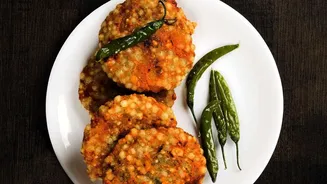
Hailing from Maharashtra, Sabudana Vada is a unique and beloved snack, particularly popular during religious fasting periods like Navratri. It is made from sabudana (tapioca pearls) that are soaked until they become soft and spongy. These pearls are then mixed with a binding agent of boiled and mashed potatoes, along with coarsely crushed roasted peanuts, which provide a wonderful nutty flavour and crunchy texture. The mixture is seasoned with green chillies, fresh coriander, and a hint of lemon juice before being shaped into flattened patties and deep-fried. The final product is a fritter that is exceptionally crispy on the outside while being soft and slightly chewy on the inside. Sabudana Vada is most traditionally served with a slightly sweet and spicy peanut chutney made with yoghurt, or sometimes simply with a bowl of plain, sweetened yoghurt to balance the spice.