


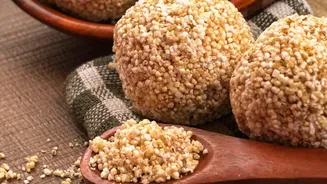
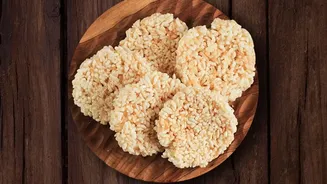
In the world of healthy eating, it often feels like a battle of old versus new. In one corner stands ragi, the humble, homegrown millet. In the other, the globally-celebrated quinoa. Both are praised for their health benefits, but how do they really compare?
The Nutritional Showdown
When it comes to nutrition, ragi and quinoa are both powerhouses, but they shine in different areas. Quinoa's claim to fame is its protein content; it's considered a 'complete protein' because it contains all nine essential amino acids. Per 100g, uncooked quinoa offers about 14g of protein, almost double that of ragi, which provides around 7g. However, ragi has a secret weapon: calcium. It is one of the best plant-based sources of this crucial mineral, boasting an incredible 344mg per 100g. This is significantly more than quinoa, which contains around 47mg to 198mg depending on the analysis. Ragi is also rich in iron and fibre. While quinoa also offers fibre, iron, and magnesium, ragi's exceptional calcium content makes it particularly valuable for bone health.
Taste: Earthy vs. Nutty
Your preference in this category will come down to personal taste. Ragi has a distinct, earthy, and slightly nutty flavour that is quite robust. For those new to it, the taste can feel unfamiliar, which is why it's often combined with other flours or ingredients like jaggery to balance its profile. Roasting the flour before use can also help mellow its taste and remove any raw bitterness. Quinoa, on the other hand, is much milder. It has a subtle nutty flavour and a slightly grassy or earthy undertone. It's crucial to rinse quinoa thoroughly before cooking to remove saponins, natural compounds that can give it a bitter or soapy taste. Because of its milder profile, quinoa is often seen as a blank canvas, easily absorbing the flavours of dressings, spices, and broths it's cooked with.
Texture: From Porridge to Fluffy Grains
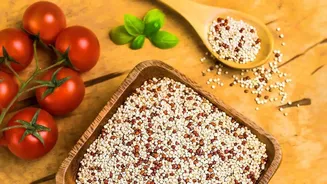
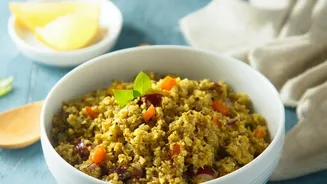
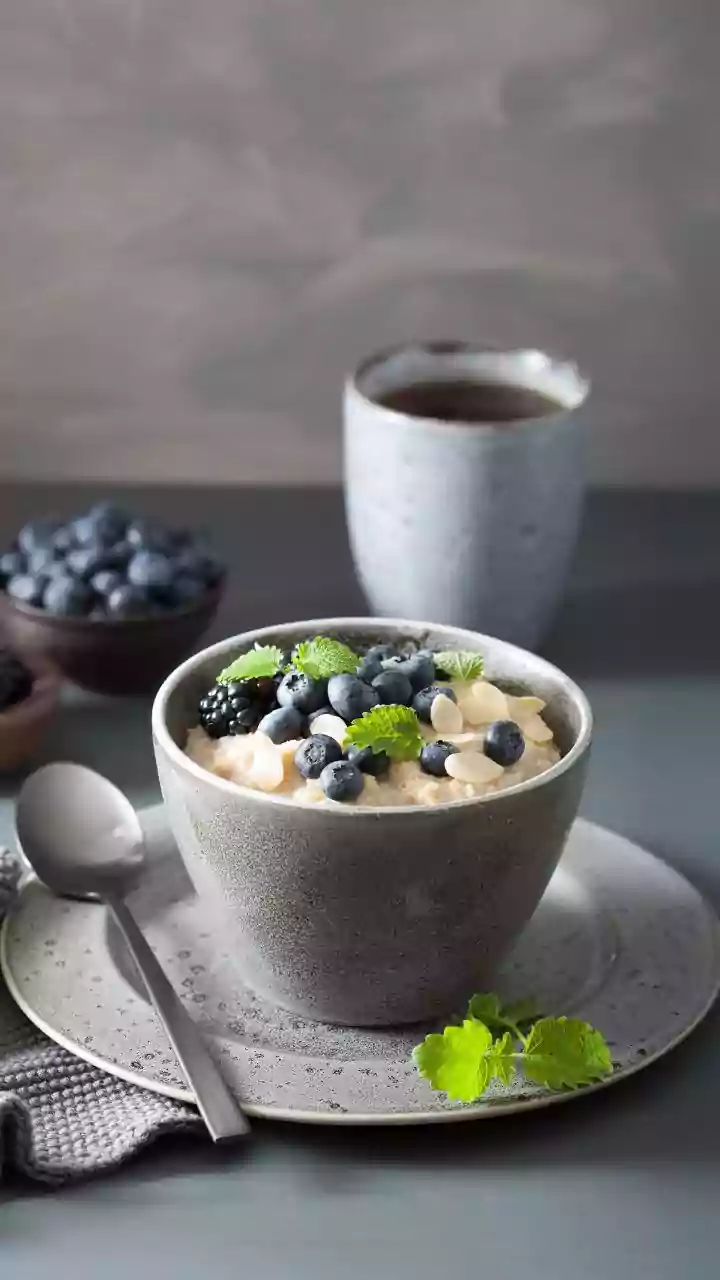
The texture of these two ingredients dictates how they are best used in the kitchen. Ragi is most commonly used as a flour. When cooked, it creates a smooth, thick consistency, which is why it’s perfect for porridges (like ragi malt), puddings, and as a batter for dosas and idlis. When made into a roti or flatbread, it can be soft but dense. Quinoa, which is a seed cooked like a grain, has a completely different texture. When cooked properly, the tiny seeds become light and fluffy, with a pleasant, slightly chewy bite. You can even see a tiny 'curlicue' separate from the seed as it cooks. This distinct, non-sticky grain structure makes it an excellent substitute for rice and a popular base for salads and grain bowls where you want individual grains to hold their shape.
In the Kitchen: Tradition vs. Trend
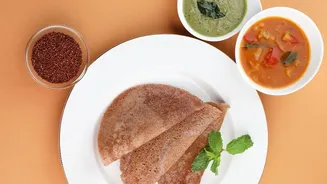
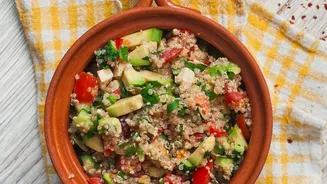
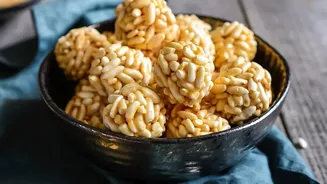
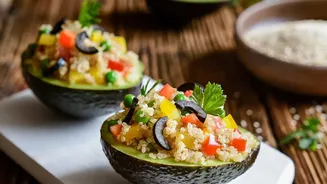
Culinary use is where the differences are most pronounced. Ragi is a cornerstone of traditional Indian cuisine, especially in the southern states. It’s the star of dishes like ragi mudde (steamed balls served with curry), ragi roti, dosas, and nourishing porridges for babies and adults. Its ability to form a smooth paste or batter is its greatest strength. Quinoa's versatility lies in its grain-like texture. It has become a global favorite for salads, pilafs, and 'Buddha bowls'. It can be used as a side dish like rice, stuffed into vegetables, or even used in burgers and fritters. While you can find quinoa flour for baking, its most common application is as a whole cooked seed, a role ragi doesn't typically fill.
The Verdict: Cost and Context
For the Indian consumer, the choice often comes down to accessibility and cost. Ragi is a locally grown millet, making it widely available and significantly more affordable. Quinoa, largely imported from South America, comes with a premium price tag. Ultimately, there is no single 'winner'. If your priority is adding a complete plant-based protein to salads and bowls, quinoa is an excellent choice. If you are focused on boosting calcium intake, sticking to a budget, and embracing traditional Indian recipes like porridges and flatbreads, ragi is the undisputed champion. For a balanced diet, incorporating both can offer a wide range of nutrients and culinary experiences.