




A New Gateway in the Himalayas
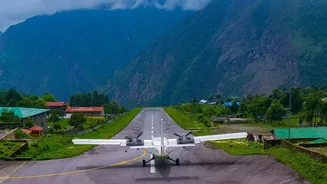
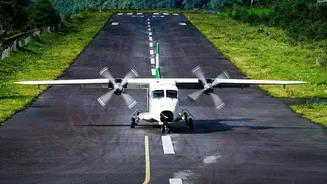
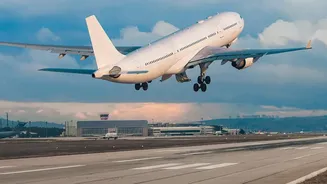
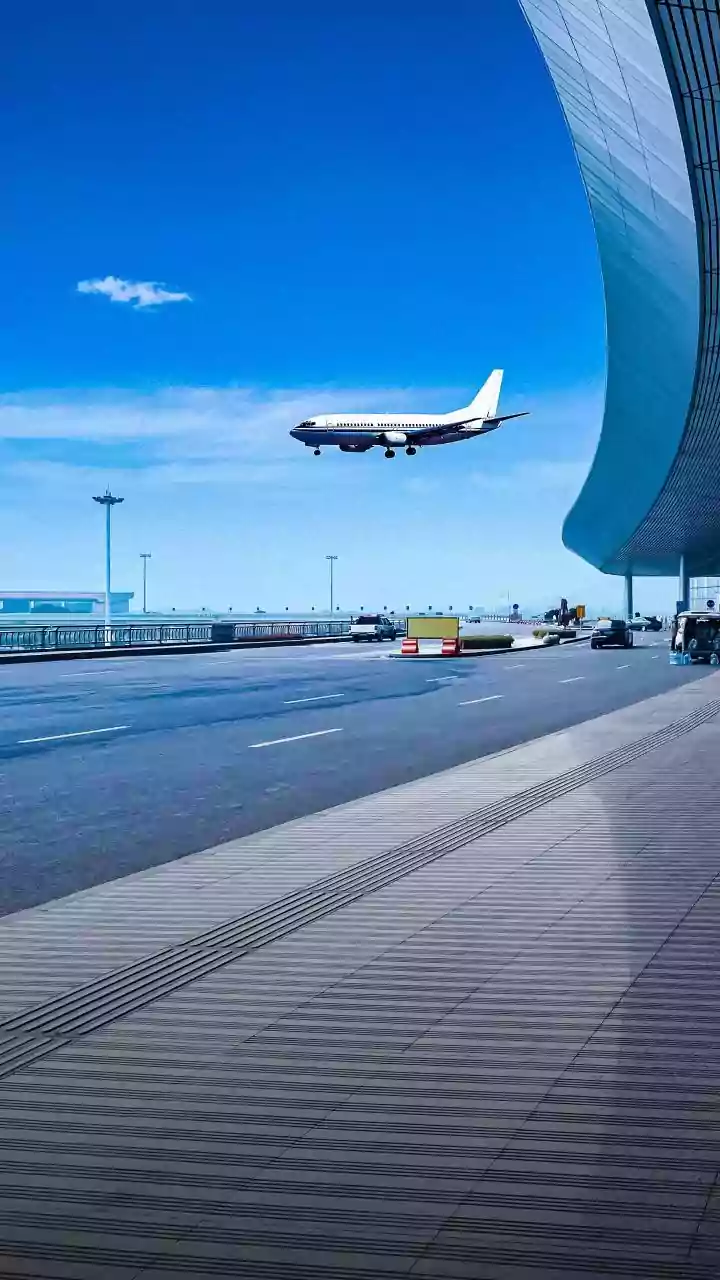
In a significant move to bolster regional connectivity, authorities are targeting December 2026 to commence civilian flight operations from Thoise Airport in Ladakh's Nubra Valley. The decision emerged from a high-level review meeting in New Delhi attended
by officials from the Ministry of Defence, Indian Air Force (IAF), Airports Authority of India (AAI), and the Ladakh administration. For decades, Thoise has served as a critical airbase for the armed forces, supporting logistics for posts like the Siachen Glacier. Its opening to the public marks a major step in making one of India’s most remote frontiers more accessible to its citizens. This initiative is part of a broader vision to enhance infrastructure and integrate the Union Territory of Ladakh more closely with the rest of the nation.
Beyond the Leh Connection
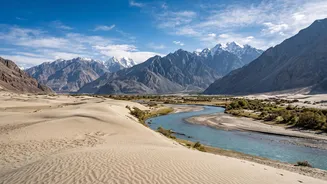
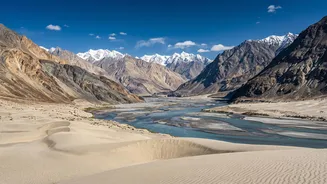
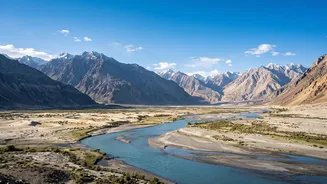
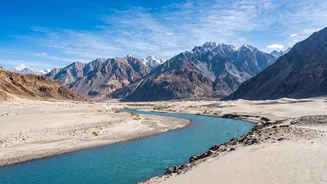
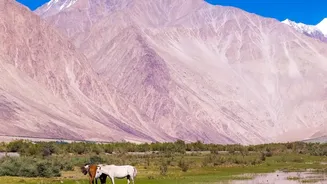
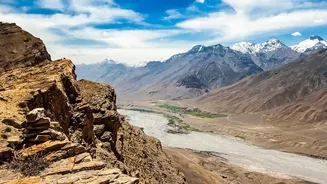
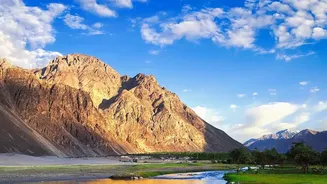
Until now, reaching the sand dunes and monasteries of Nubra Valley has been an adventure in itself. The standard journey involves flying into Leh’s Kushok Bakula Rimpochee Airport—currently Ladakh's only commercial airport—and then embarking on a long and arduous road trip over high-altitude passes like Khardung La. While scenic, this journey is time-consuming and heavily dependent on weather conditions. Direct flights into Thoise would dramatically change this dynamic, allowing tourists and residents to fly much closer to their final destinations within Nubra. This would not only save valuable travel time but also reduce the heavy reliance on Leh as the sole aerial gateway, distributing the growing tourist traffic more evenly across the region.
Boosting Tourism and Local Livelihoods
The economic implications for Nubra Valley are immense. Easier access is expected to provide a significant boost to the local tourism industry, benefiting hotels, guesthouses, tour operators, and restaurants that depend on visitor footfall. More importantly, it offers a promise of year-round connectivity for residents. Ladakh's harsh winters often lead to road closures, isolating communities for months. Reliable air travel would provide a vital lifeline for locals, facilitating everything from medical evacuations to the transport of goods and offering students and traders a dependable travel option. This new link is poised to create jobs and generate new livelihood opportunities in one of the country's most isolated yet beautiful valleys.
The Path to December
Meeting the December 2026 target requires a coordinated effort and swift infrastructure upgrades. Currently, runway recarpeting work is already in progress at Thoise and is scheduled for completion by November. To fast-track the launch, the plan is to refurbish the existing chartered-flight terminal for initial civilian use. This allows operations to begin without waiting for the construction of a brand-new terminal building. The Indian Air Force has already approved the allocation of five acres of land for a permanent civil terminal, signaling a long-term commitment. The Airports Authority of India is working with the local Public Works Department to finalise and execute the necessary upgrades to the existing facility, ensuring it is equipped with check-in counters, security systems, and passenger waiting areas.
A Strategic Step Forward
Beyond tourism, enhancing air connectivity in this region holds immense strategic value. Thoise provides easier access to sensitive and remote border areas, including the village of Turtuk and the approach to the Siachen Base Camp. This development is part of a larger push to improve infrastructure in India's border regions, strengthening both civilian and military access. The project aligns with the central government's UDAN (Ude Desh ka Aam Naagrik) scheme, which aims to connect unserved and underserved airports across the country. While Thoise is the immediate priority, authorities are also assessing Kargil Airport for civilian flights, with a joint inspection planned to evaluate its readiness, further underscoring the commitment to opening up Ladakh to the skies.