

The Shaky Reality of Modern Flying
On August 4, 2026, an Air India flight from Phuket to Delhi encountered severe turbulence, causing a sudden altitude drop that resulted in injuries to 17 passengers and crew members. Incidents like this, while unsettling, are statistically rare. However,
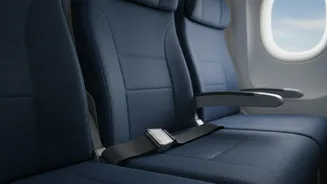
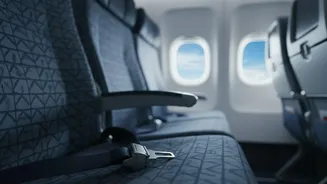
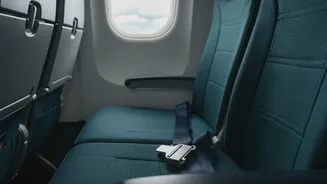
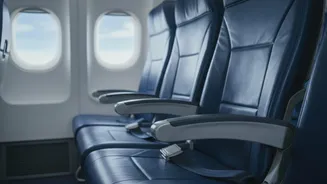
they serve as a powerful reminder of the one thing all aviation experts agree on: the most significant danger during turbulence is not to the aircraft, but to unbuckled passengers. Every year, the majority of turbulence-related injuries are sustained by people who are not wearing their seatbelts. The good news is that the most effective safety tool is entirely within your control.
What Exactly Is Turbulence?
In simple terms, turbulence is irregular air movement that causes an aircraft to jolt or shake. Think of it like a boat sailing on a calm sea that suddenly encounters choppy waves. The air, though invisible, is a fluid with currents, waves, and eddies. This disruption can be caused by many factors, including weather fronts, thunderstorms, flying over mountain ranges, or changes in wind speed associated with jet streams. Pilots receive detailed weather reports to avoid known turbulent zones, but some types, like Clear Air Turbulence (CAT), can occur unexpectedly in cloudless skies with no visual warning.
Are Airplanes Built for This? Absolutely.
A common fear is that turbulence could damage the plane, but this is extremely unlikely. Modern commercial aircraft are engineering marvels, built to withstand forces far greater than those encountered in even the most severe turbulence. During testing, wings are bent to extreme angles to prove their flexibility and strength. For pilots and aircraft, turbulence is a normal, expected part of flying—more of an inconvenience than a true danger to the plane's integrity. The autopilot system is also designed to handle turbulence efficiently, often better than a human pilot who might be tempted to overcorrect.
Your Simple In-Flight Safety Checklist
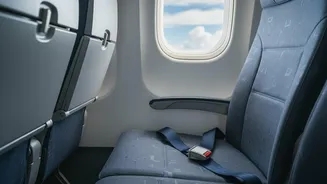
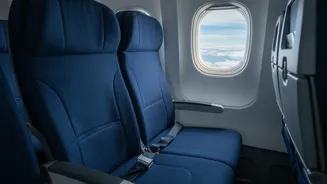
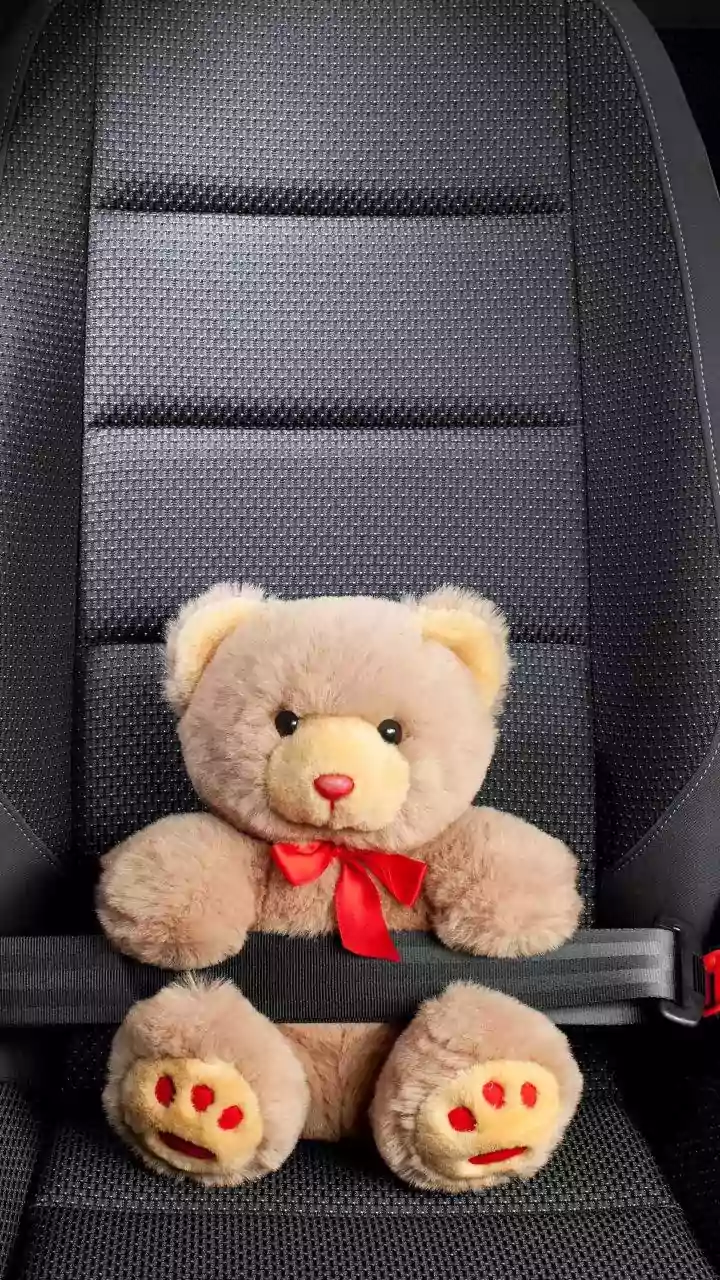
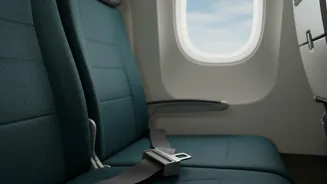
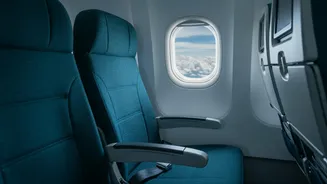
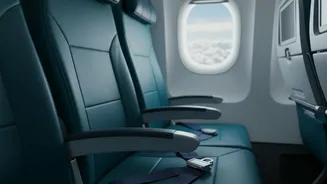
The single most important rule is to keep your seatbelt fastened whenever you are seated, even if the 'Fasten Seatbelt' sign is off. Unexpected turbulence is the primary reason for this rule. Also, ensure your carry-on luggage is securely stowed in the overhead bin or under the seat in front of you. A loose laptop or heavy bag can become a dangerous projectile during a sudden jolt. Pay attention to the cabin crew; their instructions are for your safety. If they suspend service and take their seats, it's a clear sign that bumpier air is expected.
Caught Off Guard? What to Do
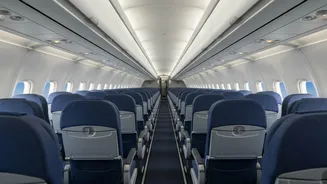
What if turbulence hits while you're in the aisle or waiting for the lavatory? Your immediate priority is to stop moving and secure yourself. Sit down in the nearest available empty seat and buckle up, even if it's a passenger's seat for a moment. If no seat is available, hold on firmly to a fixed object like a seatback or galley structure. Try to lower your center of gravity by crouching if possible. Avoid grabbing onto movable items like service carts. The goal is to prevent being thrown about the cabin. As soon as it is safe, return to your own seat.