








What is E20 and Why is it Important?
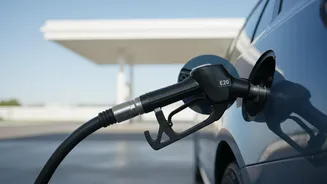
E20 is petrol blended with 20% ethanol, a biofuel typically derived from agricultural sources like sugarcane and maize in India. The government has aggressively pursued its Ethanol Blended Petrol (EBP) Programme, making E20 the standard fuel across the country
from 2025, five years ahead of the original schedule. The objectives are multi-fold: reduce the nation's hefty bill for imported crude oil, lower carbon emissions, and provide an additional income stream for farmers. The policy is a cornerstone of India's energy security strategy, with officials highlighting both the economic and environmental benefits.
The Controversy and the 'New Statement'
The rapid transition to E20 has been met with public concern, fuelled by anecdotal reports and social media videos claiming the fuel causes engine damage, reduces mileage, and contains impurities. This culminated in a recent controversy where an internal technical communication from the Society of Indian Automobile Manufacturers (SIAM) was reportedly leaked. The note allegedly flagged an increase in replacements of parts like fuel injectors and pumps, linking them to potential contamination issues in the fuel. However, as these reports gained traction, SIAM issued a formal clarification—the “new statement”—walking back the communication. The industry body stated that the data was selectively quoted, required further authentication, and had been withdrawn. In its new statement, SIAM unequivocally reaffirmed the automobile industry's full support for the government's E20 initiative.
Questioning 'Unverified Data'
The core of SIAM's clarification was the issue of “unverified data.” The organisation stressed that the figures in its previous internal note needed comprehensive data collection from across the country before being considered factual. This stance aligns with the government's and oil marketing companies' (OMCs) position, which has been to consistently debunk what they term misinformation. Government bodies have addressed various viral claims, from E20 attracting ants to it causing phase separation when mixed with water in unscientific home experiments. Officials maintain that fuel quality is rigorously monitored. OMCs like Indian Oil, BPCL, and HPCL recently issued a joint statement affirming that nationwide tests showed fuel quality remained well within prescribed limits, with no evidence of widespread contamination.
What About Vehicle Compatibility and Performance?
A primary concern for vehicle owners is whether their cars and bikes, especially older models, are safe to run on E20. While the government has admitted it has not formally assessed the exact number of E20-compatible vehicles on the road, it maintains the fuel is safe. Automakers have stated that E20 was introduced only after extensive testing. Maruti Suzuki, for example, reported analysing service data from millions of vehicles, including older ones not certified for E20, and found no evidence of E20-linked abnormal wear or corrosion. Officials acknowledge a potential minor drop in mileage of 3-5% for some vehicles not originally calibrated for E20, but they also highlight benefits like improved acceleration due to ethanol's higher octane rating. SIAM's clarification aims to reassure consumers that there is currently no cause for concern and that warranty obligations are being honoured.