



The Art of the Soft Look
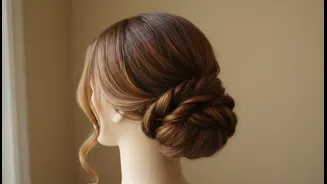
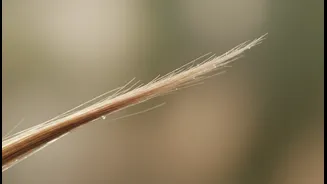
Face-framing pieces are the secret to making an updo feel less severe and more approachable. These strategically placed tendrils, whether they are wispy strands or slightly thicker sections, break up the pulled-back silhouette of a bun. This technique
acts like a soft filter for your features, drawing attention to your eyes and cheekbones while softening the jawline. The result is a hairstyle that looks intentional yet relaxed, making it a favorite for everything from casual outings to formal events and weddings. It's a universally flattering trick that adds movement and dimension.
Getting Started: Hair Prep
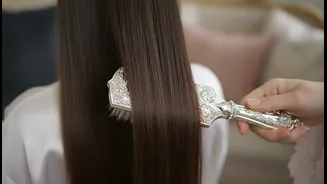
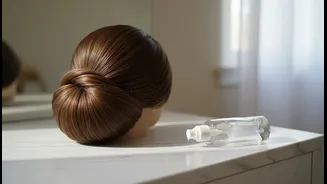
The foundation of a great low bun often starts with hair that isn't perfectly clean. Second-day hair typically has more grip and texture, making it easier to style. If you're starting with freshly washed hair, create some hold by applying a texturizing spray or a bit of dry shampoo at the roots. This will add volume and prevent the bun from looking flat. For those with fine hair, a volumizing spray can provide extra lift at the crown. Before gathering your hair, ensure it's brushed through to remove any tangles, which will help create a smoother finish.
Creating the Perfect Low Bun
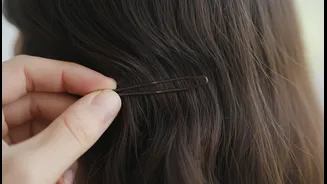
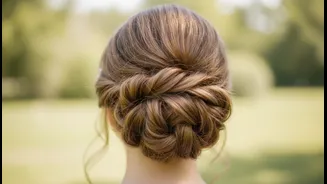
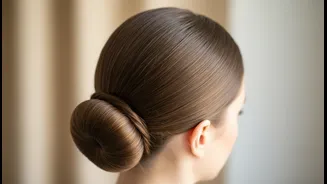
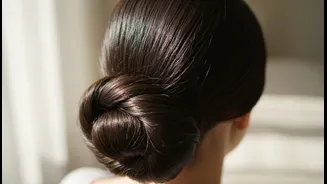
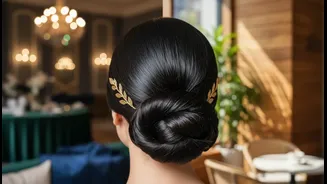
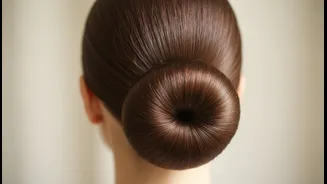
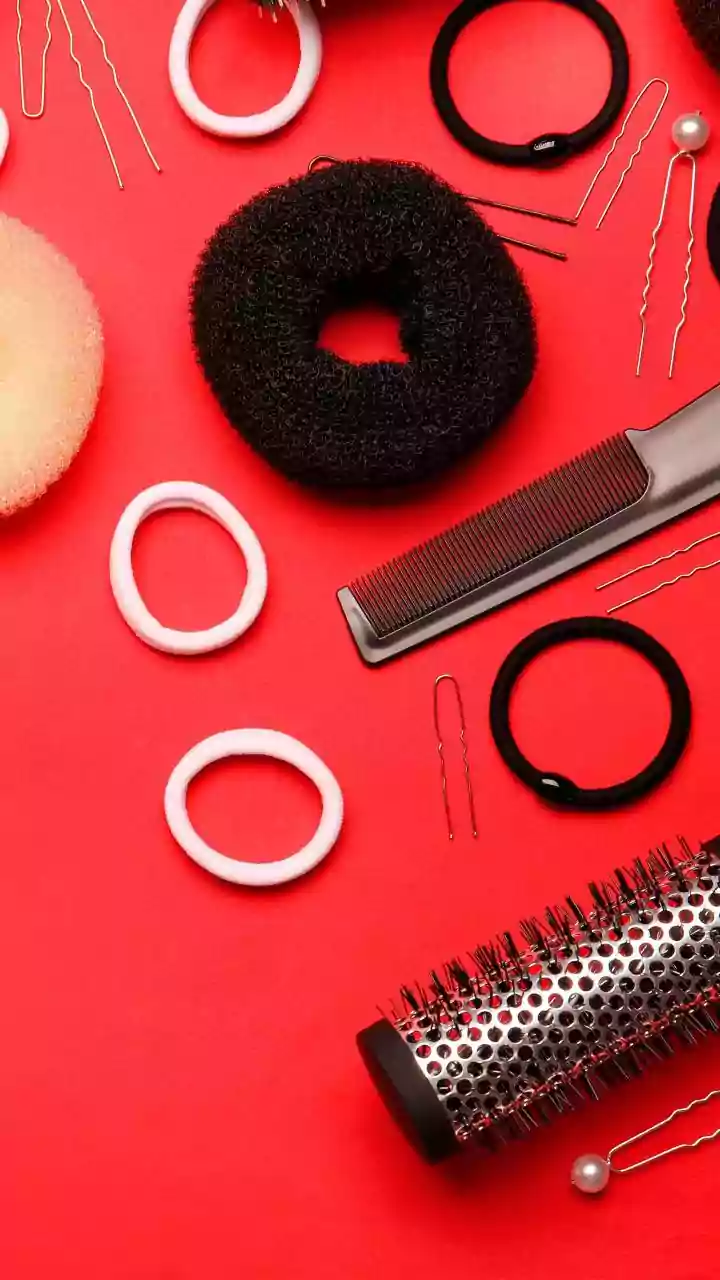
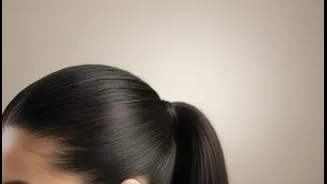
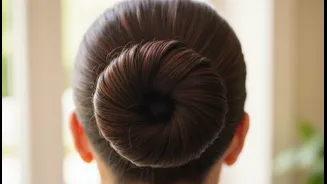
First, decide where you want to part your hair—a center part offers a modern, symmetrical look, while a side part can provide a touch of classic glamour. Before pulling your hair back, separate the strands you want to use for framing your face. Gather the rest of your hair at the nape of your neck and secure it into a low ponytail with an elastic. From here, twist the ponytail and wrap it around the elastic base to form a bun, securing it firmly with bobby pins. For a messier, more relaxed vibe, you can gently tug on sections of the bun to fan it out. If you have thin hair, using a hair donut can create the illusion of a fuller bun.
Mastering the Face-Framing Strands
The strands you left out are what will define the style. The key is to make them look effortless. You can leave them straight for a simple, chic look, or use a curling iron to add a soft wave for a more romantic feel. The thickness is a matter of preference; thin, wispy tendrils offer a delicate touch, while slightly thicker pieces can make more of a statement. For a polished finish, you can use a small amount of styling cream or serum to tame any flyaways and give the strands a healthy shine. This small detail makes a significant difference in the overall softness of the hairstyle.
Adapting the Style for Your Face Shape
While this hairstyle is famously versatile, slight adjustments can make it even more flattering for your specific face shape. For round faces, slightly longer strands that fall below the chin can help elongate your features. Those with square faces may prefer softer, more feathered waves around the jawline to soften angles. Heart-shaped faces are well-suited to layers that begin around the cheekbones to create balance. Oval faces are complemented by almost any variation of this style, from sleek and straight tendrils to fuller, wavy pieces.