






The festive lights have dimmed and the celebratory feasts are over, leaving many feeling sluggish. The common reaction is to plan punishing workouts and crash diets. But experts suggest a kinder, more sustainable path to recovery is best.
Why Punishing Workouts Can Backfire
After days of
indulging in rich, festive foods, the urge to hit the gym with maximum intensity is strong. However, cardiologists and wellness experts warn against this approach. Jumping into strenuous exercise immediately after a period of overeating and reduced activity can place undue stress on your body and heart. Drastic changes can increase the risk of injury, lead to burnout, and make you abandon your new routine before it even becomes a habit. The key isn't to punish your body for the celebrations but to gently guide it back to a state of balance. The feeling of guilt often associated with festive eating can lead to unhealthy behaviours; being gentle with yourself is the first step towards getting back on track.
Embrace Gentle, Everyday Movement
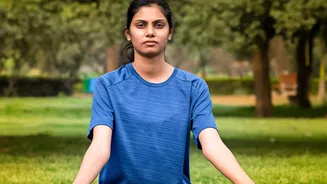
Instead of focusing on high-intensity interval training or long, grueling runs, experts recommend incorporating light to moderate activity into your daily life. This is not only more sustainable but also highly effective. A simple, brisk 20- to 30-minute walk each day is excellent for heart health. Walking after a meal can aid digestion, help manage blood sugar levels, and reduce bloating. The goal is consistency, not intensity. Other forms of gentle movement include taking the stairs, doing household chores, light stretching, or practicing yoga. These activities improve circulation, lower blood pressure, and boost your mood without the exhaustion of a punishing workout.
Rebalance Your Diet Without Starving
Just as punishing workouts are discouraged, so are crash diets and extreme 'detoxes'. Cardiologists emphasise that your body doesn't need to be starved; it needs nourishment. The focus should be on reintroducing balance. Start by increasing your water intake to flush out toxins and aid digestion. Gradually reduce your consumption of leftover sweets, fried snacks, and processed foods. Instead, fill your plate with fibre-rich foods like fresh fruits, vegetables, whole grains, and lean proteins such as dal and curd. These foods support your body’s natural detoxification processes, restore gut health, and help you feel energised without the deprivation that leads to cravings.
Prioritise Sleep and Hydration
Two of the most powerful yet overlooked tools for post-Diwali recovery are water and sleep. Latend night celebrations can disrupt sleep schedules, which directly impacts metabolism, blood pressure, and heart health. Aiming for seven to eight hours of quality sleep per night helps regulate appetite and allows your body to repair itself. Hydration is equally critical. Drinking plenty of water throughout the day helps your system process the excess salt and sugar from festive foods, reduces bloating, and supports kidney and liver function. You can make hydration more interesting by infusing your water with lemon or mint, or by sipping on herbal teas like ginger or peppermint, which can also soothe indigestion.
A Heart-Healthy Mindset for the Long Run
Ultimately, a cardiologist's advice for post Diwali recovery is about creating lasting habits, not quick fixes. The festive season is a time for enjoyment, and occasional indulgence is unlikely to cause long term harm. The real danger lies in the cycle of overconsumption followed by extreme restriction. A heart healthy lifestyle is built on moderation and consistency. This includes regular, gentle movement, a balanced diet rich in natural foods, adequate sleep, and stress management. By adopting this kinder approach, you not only recover from the festive season but also lay the foundation for better cardiovascular health for years to come.