




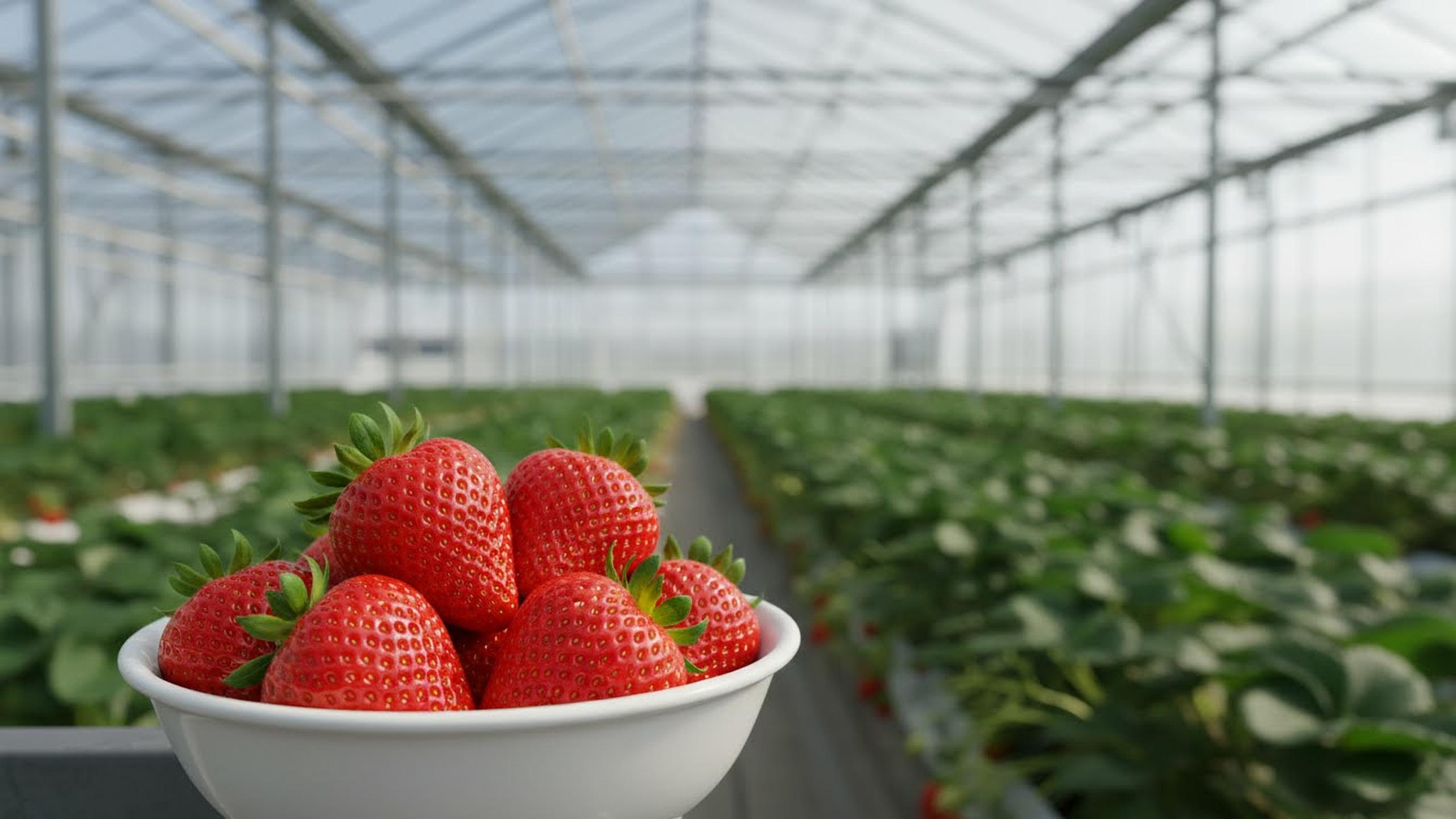
A High-Value Crop at Risk
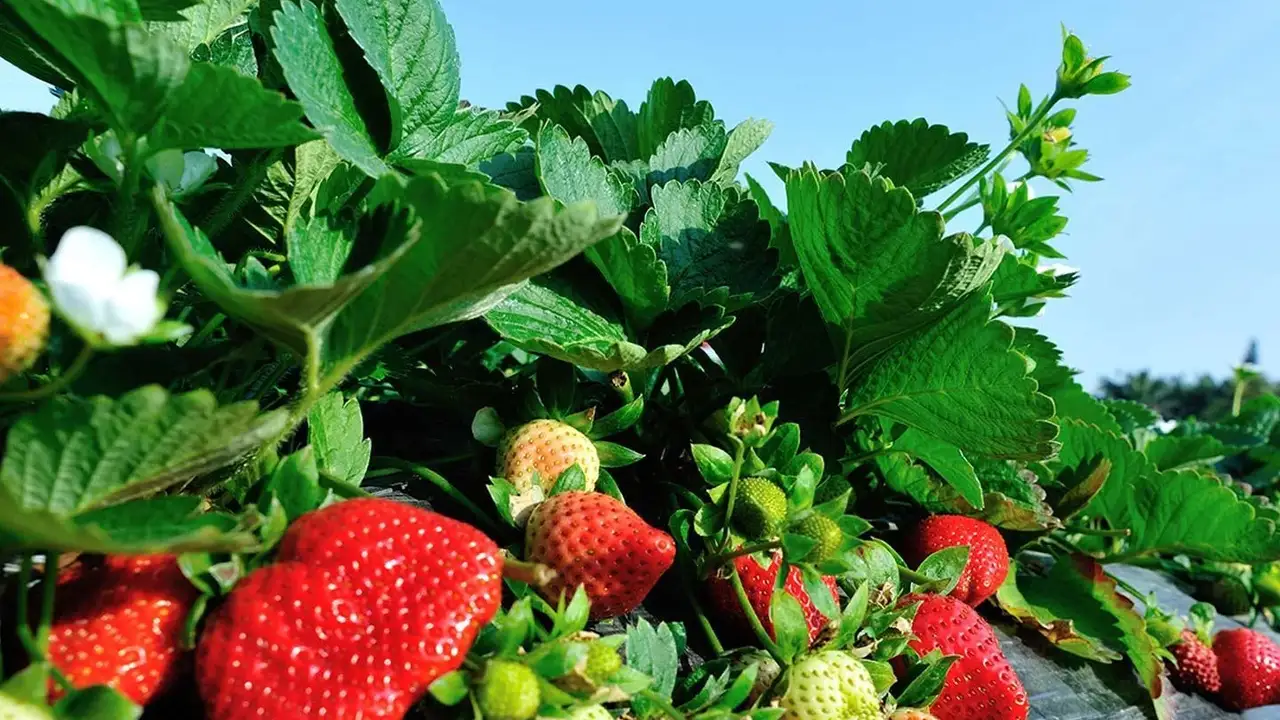
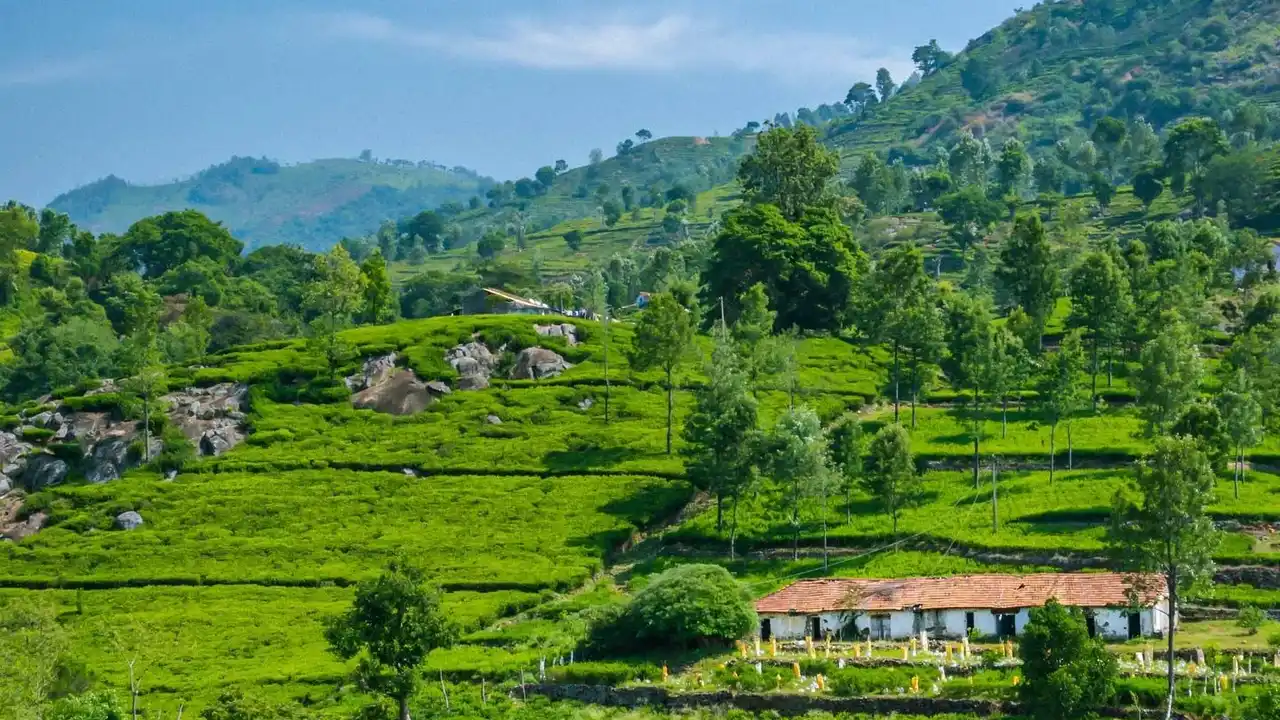
Strawberry cultivation in India, traditionally concentrated in cooler climes like Mahabaleshwar, which produces nearly 85% of the nation's crop, is highly sensitive to weather fluctuations. Unusual heatwaves, even in historically temperate zones, are
causing significant problems for farmers. Extreme heat can scorch delicate flowers before they fruit, cause premature ripening, and result in smaller, lower-quality berries. This not only impacts farmer incomes but also affects availability and prices for consumers. Historically, Indian growers have relied heavily on imported strawberry plant varieties from Europe and the United States, which are not always suited to the increasingly harsh and unpredictable local conditions.
The Quest for an Indian Strawberry
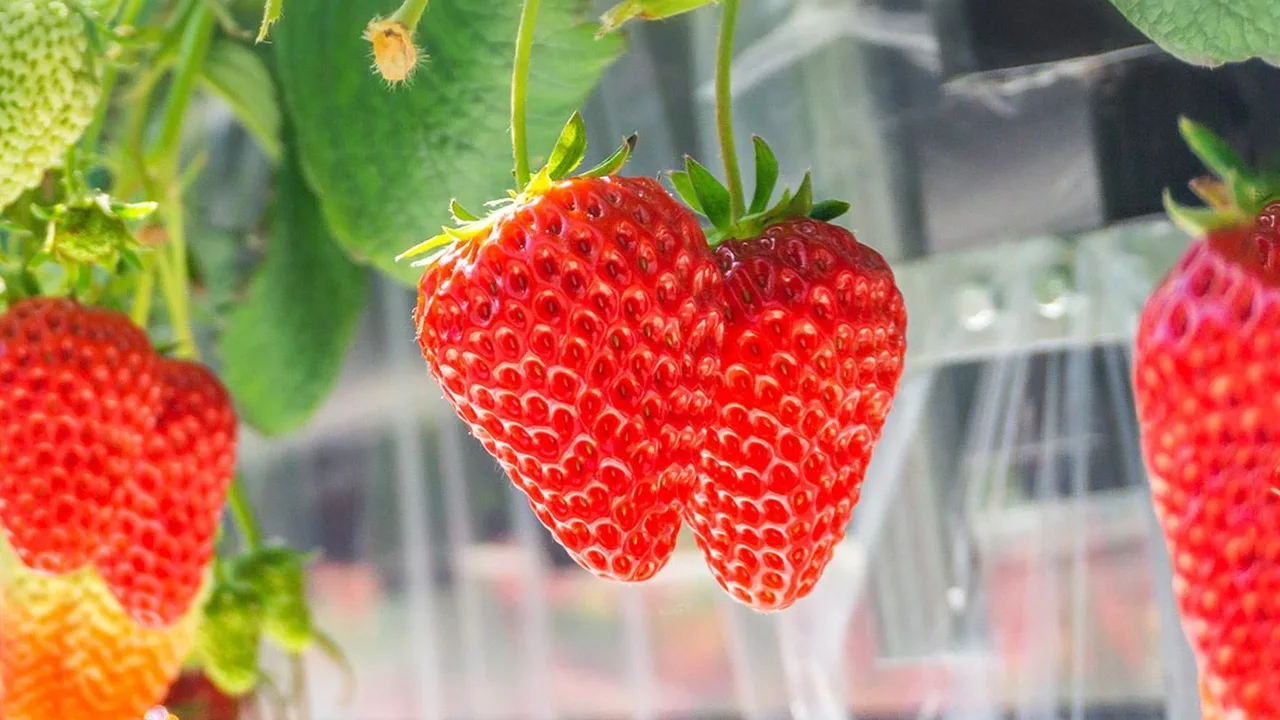
In response to these challenges, Indian agricultural scientists are embarking on an ambitious goal: to develop indigenous, climate-resilient strawberry varieties. The aim is to create plants that are not only tailored to India's diverse agro-climatic zones but can also withstand higher temperatures, require less water, and resist local pests and diseases that thrive in warmer weather. Institutes like Mahatma Phule Agricultural University and the Bhabha Atomic Research Centre are involved in projects to breed these new-age berries. This move towards self-reliance is not just about adapting to climate change; it's a strategic step to reduce dependency on costly foreign planting materials and strengthen the country's agricultural sovereignty.
What Makes a Crop 'Climate-Ready'?
Breeding a 'climate-ready' crop is a complex science. For strawberries, this means selecting for specific traits. Heat tolerance is paramount, allowing the plant to thrive even as temperatures soar. Drought resistance is another key factor, enabling cultivation in regions with less predictable rainfall. Scientists also focus on developing resistance to fungal diseases like anthracnose and mildew, which become more prevalent in warm and humid conditions. Varieties like 'Winter Dawn' have already shown promise for their tolerance to higher temperatures, making cultivation possible beyond traditional hilly regions and into the plains. The goal is to create robust varieties that deliver consistent yields and high-quality fruit despite environmental stressors.
Beyond Strawberries: A National Mission
The focus on strawberries is part of a much larger, nationwide push for climate-ready horticulture. The Indian Council of Agricultural Research (ICAR) has been at the forefront of developing and releasing hundreds of climate-resilient varieties of various crops. In recent years, the government has introduced new varieties of fruits, vegetables, and field crops designed to be high-yielding and resilient to climate impacts. This includes innovations like heat-tolerant wheat, flood-resistant rice, and new varieties of guava and mango that are better adapted to changing conditions. These efforts are crucial for India's food security, supporting the livelihoods of millions of farmers and ensuring a stable supply of nutritious food for a growing population.