






A Spice Worth Its Weight in Gold
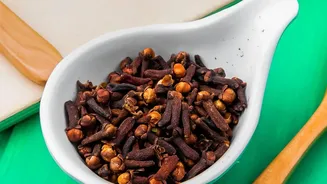
Long before cloves became a kitchen staple, they were a precious commodity that shaped world history. Native to the Maluku Islands in Indonesia, once known as the Spice Islands, these dried flower buds were at the heart of the global spice trade for centuries.
As early as 200 BCE, Chinese courtiers chewed cloves to freshen their breath before speaking to the emperor. By the Middle Ages, Arab traders brought them to Europe, where they were so coveted they became worth their weight in gold, driving explorers like the Portuguese to seek direct sea routes to their source. This tiny spice didn't just flavour food; it built empires and fortunes, a testament to its powerful and desirable aromatic qualities.
The Soul of Savory Indian Cooking
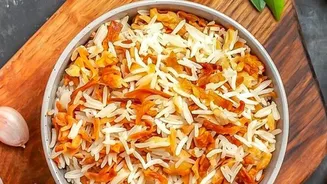
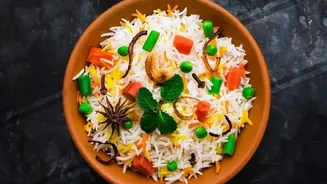
In India, the aroma of cloves is synonymous with rich, celebratory dishes. It's a cornerstone of North Indian cooking, forming the backbone of spice blends like garam masala. A few whole cloves tossed into hot oil can perfume an entire pot of biryani or pulao, infusing each grain of rice with a subtle, warm fragrance. Their pungent, slightly sweet heat is essential in robust curries and marinades for meats like lamb and chicken, where they balance the richness and add layers of complexity. While their flavour is intense and should be used with a light hand, it's this very potency that makes cloves indispensable in creating the deep, resonant flavours that define many beloved Indian savory dishes.
The Surprising Sweet Side
While central to savory cooking in India, cloves reveal a completely different personality in sweet preparations around the world. Their warm, spicy notes pair beautifully with fruits, particularly apples, pears, and plums. This makes them a star in desserts like fruit compotes, poached pears, and baked apples, where they add a cozy, aromatic depth. In Western baking, ground cloves are a key component in festive treats like gingerbread, pumpkin pie, and spice cookies, often working in tandem with cinnamon and nutmeg. They also lend their signature warmth to beverages, from a comforting cup of masala chai to spiced ciders and mulled wines.
The Science of Its Signature Scent
The characteristic aroma and flavour of cloves come from a powerful compound called eugenol, which makes up a significant portion of its essential oil. Eugenol is responsible for that warm, sweet, and slightly medicinal scent. But its role isn't just about flavour. Eugenol is a potent antioxidant, meaning it helps the body fight cellular damage. It also has well-documented anti-inflammatory and antiseptic properties, which is why clove oil has been a traditional remedy for toothaches for generations. So when you're enjoying the flavour of cloves, you're also experiencing the effects of a powerful natural compound that has been valued in medicine for centuries.
More Than Just a Flavouring Agent
Beyond their culinary prowess, cloves are packed with health benefits that are increasingly supported by modern research. They are exceptionally rich in antioxidants, compounds that reduce oxidative stress and can lower the risk of chronic diseases. Some studies suggest that compounds in cloves may help regulate blood sugar levels and support liver health by reducing signs of fatty liver disease. With anti-inflammatory, antibacterial, and antifungal properties, cloves are a small but mighty force for wellness. While they are not a substitute for medical treatment, incorporating this spice into a balanced diet is a flavourful way to take in its protective compounds.