



The Truth About Water
The most common mistake in making green chutney is adding too much water at once. This not only creates a runny texture but also dilutes the fresh, vibrant flavours of the herbs and spices. The key is to add water sparingly, just one or two teaspoons
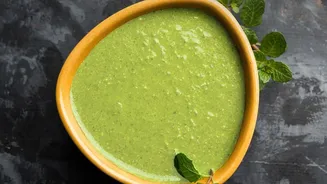
at a time, only as needed to get the blender going. Often, the moisture clinging to the coriander and mint leaves after washing is enough to start the process. Remember, you can always add more water, but you can't take it away. Starting with minimal liquid is the foundational step towards achieving that coveted thick consistency.
Prepare Your Greens Properly
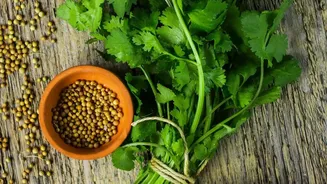
The quality and preparation of your herbs are crucial. Always use fresh, bright green coriander and mint leaves; wilted or old herbs will result in a bland, dull-coloured chutney. After rinsing the leaves thoroughly, it's important to drain them well in a colander. Shaking off as much excess water as possible prevents you from inadvertently adding too much liquid before you even start blending. While tender coriander stems can be used as they release water and help the blending process, avoid thick, mature stems and all mint stems, as they can introduce a bitter taste.
Incorporate a Thickening Agent
This is the restaurant secret that many home cooks miss. To get a truly thick and stable chutney where the water doesn't separate over time, you need a binding agent. There are several options, each adding a subtle character. Roasted peanuts or roasted gram dal (chana dal) are excellent choices for adding body. Some recipes use a small amount of grated coconut, while others call for thick yogurt to add creaminess, which is common in chutneys served with tandoori dishes. Even a spoonful of sev (crispy chickpea flour noodles) can be blended in to absorb excess liquid and create a smoother texture.
A Foolproof Recipe for Success
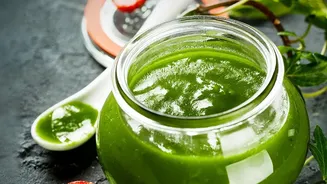
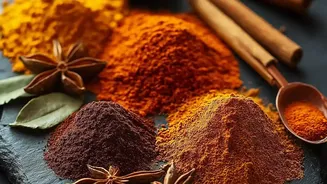
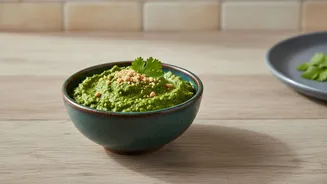
Ready to put it all together? Here’s a basic framework for a thick, flavourful chutney. In a blender, combine two cups of packed, cleaned coriander leaves, one cup of mint leaves, two to three green chillies, a one-inch piece of ginger, and two cloves of garlic (optional). Add your chosen thickener—about two tablespoons of roasted peanuts or gram dal. Include your spices: a teaspoon of cumin, half a teaspoon of chaat masala, and salt to taste. Finally, add about one tablespoon of lemon juice. Begin blending on low without any added water. If the blades get stuck, add just one teaspoon of ice-cold water and continue, repeating only if necessary. The cold water helps retain the bright green colour. Blend until you have a smooth, thick paste.
Troubleshooting Common Issues
If your chutney still doesn't turn out right, here are a few fixes. If it's too runny despite your best efforts, you can pour it into a pan and simmer it gently to allow excess water to evaporate. Alternatively, blend in a bit more of your chosen thickening agent like peanuts or yogurt. If the chutney tastes bitter, it could be from over-blending, which generates heat, or using too many mint stems. A pinch of sugar or a little extra lemon juice can help balance the bitterness. To keep the chutney's vibrant green colour from turning brown due to oxidation, store it in an airtight container in the refrigerator and add the lemon juice after blending.