
What Exactly Is Toum?
Toum is a traditional garlic sauce from the Levant region, which includes countries like Lebanon and Syria. Its name is wonderfully direct—'toum' is the Arabic word for garlic. And that's precisely what this condiment celebrates. At its core, Toum is made
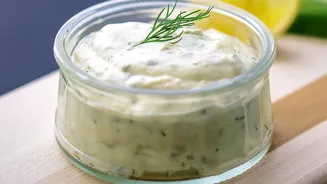
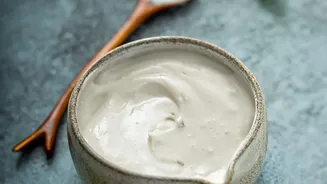
from just four simple ingredients: fresh garlic cloves, a neutral-flavoured oil like grapeseed or sunflower, lemon juice, and salt. There is no dairy, no nuts, and most importantly, no eggs. The result is a bold, unapologetically garlicky spread with a powerful punch and a surprisingly light, airy texture that has made it a beloved staple for centuries.
The Science of a Garlic-Based Emulsion
The real magic of Toum lies in food science. It is an emulsion, which is a mixture of two liquids that normally don’t combine, like oil and water. In mayonnaise, egg yolk acts as the emulsifier; its lecithin molecules have one end that attracts water and another that attracts oil, forcing them to coexist peacefully in a creamy suspension. Toum achieves this same feat using only garlic. When garlic is crushed and vigorously processed, its natural compounds, including allicin and various proteins, act as powerful emulsifiers. The key is to add the oil incredibly slowly, almost drop by drop at first, while continuously blending. This gradual process allows the garlic's compounds to grab onto the oil and the water content from the garlic and lemon juice, creating a stable, fluffy, and brilliantly white emulsion.
Toum vs. Aioli: A Tale of Two Sauces
Toum is often compared to aioli, and while they are similar, they are not the same. Traditional aioli, originating from the Mediterranean coasts of Spain and France, is also an emulsion of garlic and oil. However, many modern versions of aioli now include egg yolks, essentially making them a form of garlic mayonnaise. This gives aioli a richer, slightly milder flavour compared to Toum. Toum, being egg-free, delivers a much more intense and pure garlic flavour. It's sharper, brighter from the lemon juice, and typically has a lighter, fluffier consistency than the dense creaminess of an egg-based aioli.
A Staple of Levantine Cuisine
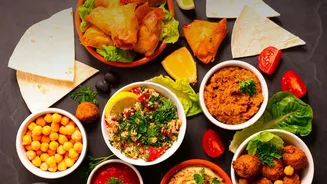
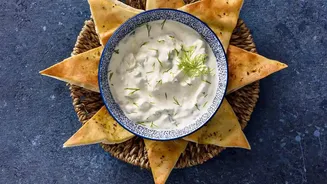
In Middle Eastern cooking, Toum is far from just a side note; it is a star component. It is the classic accompaniment to grilled meats, most famously chicken shawarma and shish tawook, where its sharp flavour cuts through the richness of the meat. But its uses are incredibly versatile. It's served as a dip for fresh pita bread, pita chips, and vegetables. You can find it spread on sandwiches and wraps, mixed into marinades, or even served alongside french fries. Its intense flavour means a little goes a long way, and it can elevate almost any savoury dish it touches, from roasted vegetables to simple grilled fish.
Tips for Making It at Home
Making Toum can be a rewarding challenge, but it requires patience. The most common mistake is adding the oil too quickly, which causes the emulsion to “break” and separate. Using a food processor is highly recommended. Start by processing fresh garlic, salt, and lemon juice into a smooth paste. Then, with the processor running, begin adding a neutral oil one single drop at a time. After about a quarter cup of oil has been slowly incorporated and the mixture starts to look creamy, you can gradually increase the oil to a very thin, steady stream. Alternating the oil with a little ice water can help stabilize the emulsion and make it fluffier. If it breaks, you can sometimes save it by taking a spoonful of the broken mixture, adding an egg white to it in a clean processor, and then slowly re-emulsifying the rest of the broken sauce back into that new base.