



The Alarming New Findings
A recent scientific assessment has drawn a clear line connecting human-caused global warming to heightened flood risks in Nepal. Specifically, the study, conducted by World Weather Attribution, examined a devastating rock and ice collapse on August 26,
2026, which triggered a deadly flash flood. Researchers concluded that long-term warming played a crucial role in preconditioning the disaster. They found that human-induced climate change contributed about 1.5 degrees Celsius to the temperatures in the exceptionally warm months leading up to the event, creating the perfect storm for instability at high altitudes.
The Science of a Destabilised Mountain
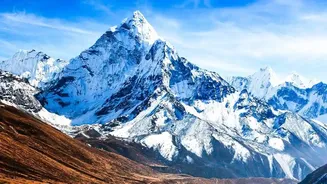
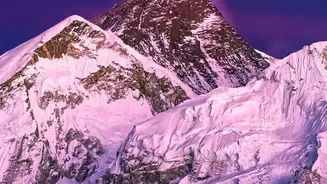
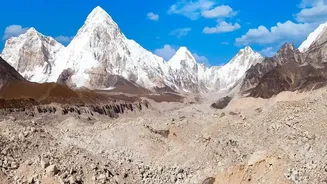
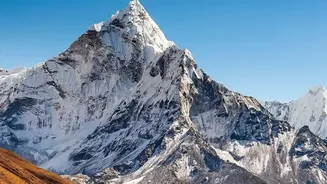
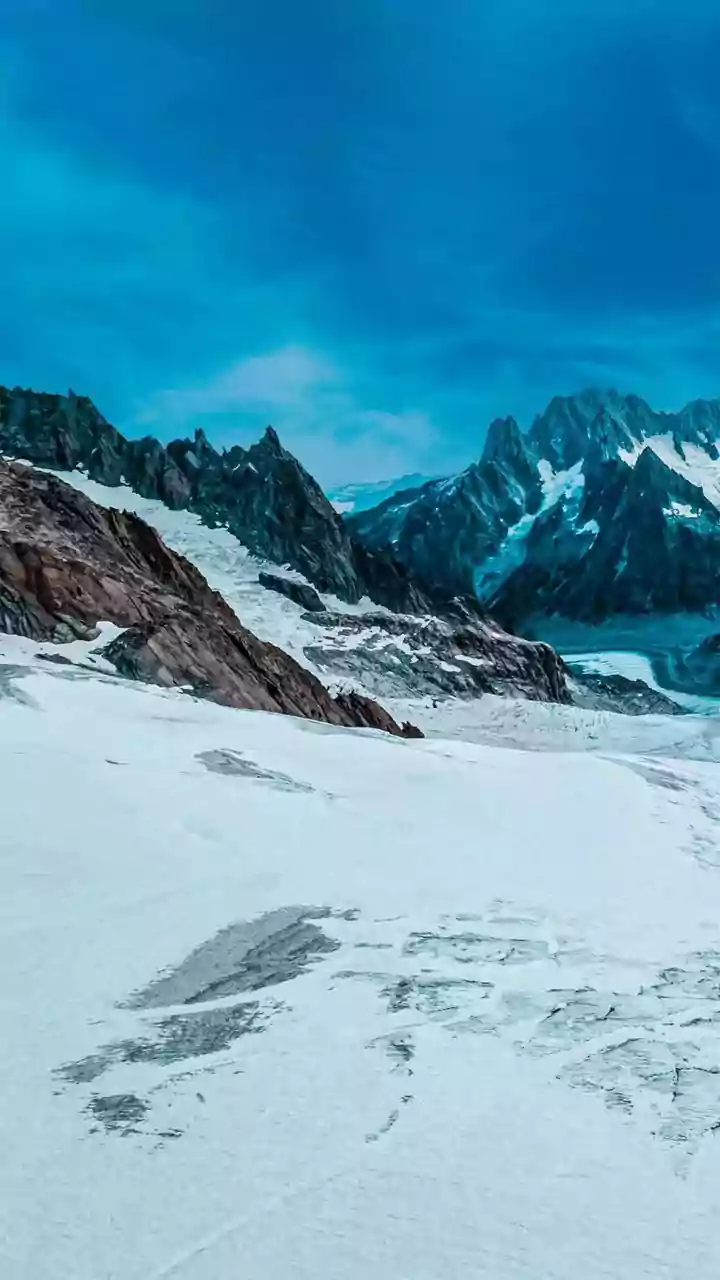
The danger lies in a process experts call thermal mountain degradation. For decades, rising temperatures have been pushing the freezing line—the altitude where the ground stays frozen year-round—higher up the mountains. This thaws permafrost, the natural 'glue' of ice and soil that holds steep, rocky slopes together. As this glue melts, the rock faces become weaker and more susceptible to collapse. The recent study noted that this freezing line has been rising by roughly 100 metres per decade, exposing previously stable rock to thawing and weakening. When a massive section of rock and the glacier ice attached to it breaks free, it can trigger a cascading disaster.
More Than a Flood: Cascading Hazards
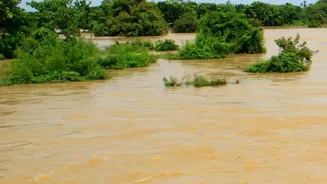
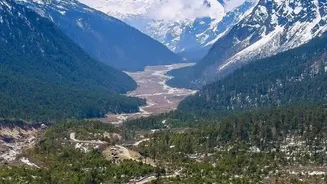
The August 26 event was not a conventional flood caused by heavy rain. Instead, a massive section of rock wall and glacier, around two square kilometres in size, collapsed from an altitude of over 5,000 metres. This material plunged into the valley below, transforming into a fast-moving torrent of water, rock, ice, and sediment. This debris flow travelled 22 kilometres in just seven minutes, leaving downstream communities with virtually no time to react. In some cases, these collapses can block a river, creating a temporary dam. When this natural dam inevitably bursts, it releases a second, devastating wall of water downstream, compounding the destruction.
The Human Cost in the Valleys
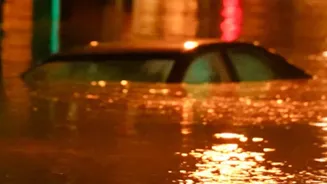
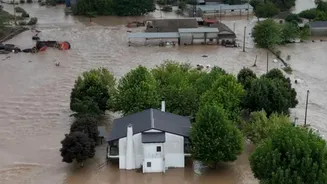
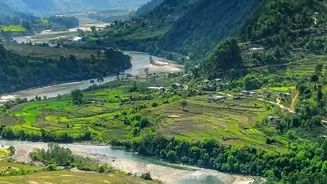
For the millions of people living in the narrow river valleys of the Himalayas, the stakes could not be higher. Communities, vital infrastructure like roads and bridges, and crucial hydropower projects are all concentrated along these river corridors. The August disaster claimed over 1,300 lives, with more than 5,000 people remaining missing. Scientists warn that as warming continues, there are limits to how much these communities can adapt. The increasing frequency of these events threatens not only lives but also the sources of drinking water and irrigation for millions of people downstream across South Asia.
A Warning for the Entire Himalayan Region
While this research focused on a specific disaster in Nepal, its findings are a stark warning for the entire Hindu Kush Himalayan region, which is warming significantly faster than the global average. Scientists stress that this is a transboundary issue, as what happens in one part of the mountain range can have dire consequences for neighbouring countries, including India. The findings highlight an urgent need for integrated monitoring systems that look beyond just rainfall and conventional floods. These systems must now also track the stability of glaciers, permafrost, and mountain slopes to provide any hope of an early warning for the complex, cascading disasters that are becoming the new normal in a warming world.