

The Core Finding: A Carbohydrate Overload
The landmark ICMR-INDIAB study, published in the journal Nature Medicine, analysed the dietary habits of over 1,20,000 adults across India. The central finding was startling: on average, Indians get a staggering 62% of their daily calories from carbohydrates.
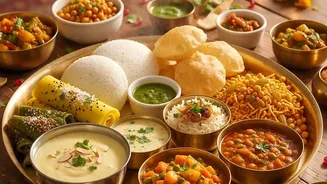
This makes the Indian diet one of the most carbohydrate-heavy in the world. The primary sources of these carbs are not surprising—polished white rice and refined wheat flour (maida) form the base of most meals, supplemented by a high intake of added sugar. This pattern of eating, rich in low-quality, fast-digesting carbs, was directly linked to a higher prevalence of type 2 diabetes and prediabetes.
The Protein Gap on the Indian Plate
The other side of the carbohydrate story is the protein deficit. The study found that protein accounts for only about 12% of the average daily calorie intake, which is well below the recommended 15% for optimal health. A significant portion of this protein comes from plant-based sources like cereals and pulses, with dairy and animal protein forming a very small fraction. This imbalance is critical because protein is essential for building muscle, regulating hormones, and, crucially, stabilising blood sugar levels. Without enough protein to slow down digestion, carb-heavy meals cause rapid spikes in blood glucose, putting immense strain on the body's metabolic system over time.
Why Just Swapping Grains Isn't Enough
A surprising insight from the research was that simply switching from white rice to whole wheat (atta) or millets did not significantly lower the risk of diabetes if the total amount of carbohydrates remained high. The researchers stress that the core issue is the overall quantity of carbohydrates on the plate, not just the type of grain. For instance, a meal with three whole wheat rotis and a small bowl of dal is still fundamentally carb-dominant. The study found that a far more effective strategy was to reduce the carbohydrate portion and replace those calories with protein.
The Most Powerful Change: Carb-for-Protein Swap
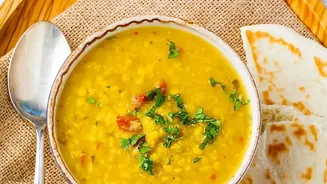
The research offered a clear, actionable solution. Modelling showed that replacing just 5% of daily calories from carbohydrates with calories from protein was associated with a significantly lower risk of developing both diabetes and prediabetes. This protective effect was observed when the protein came from plant sources like dals and legumes, or from dairy products. This small change makes a big difference. It helps blunt the sharp blood sugar spikes after a meal, improves satiety (making you feel full for longer), and supports better metabolic health in the long run.
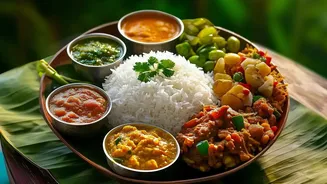
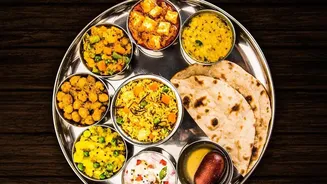
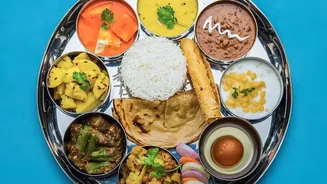
How to Rebalance Your Vegetarian Thali
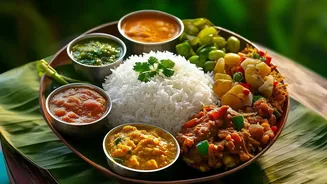
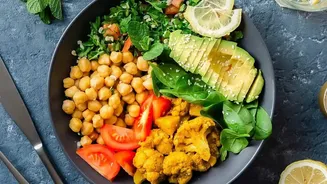
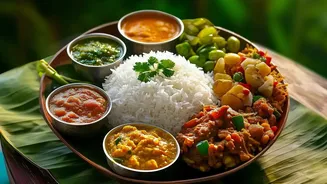
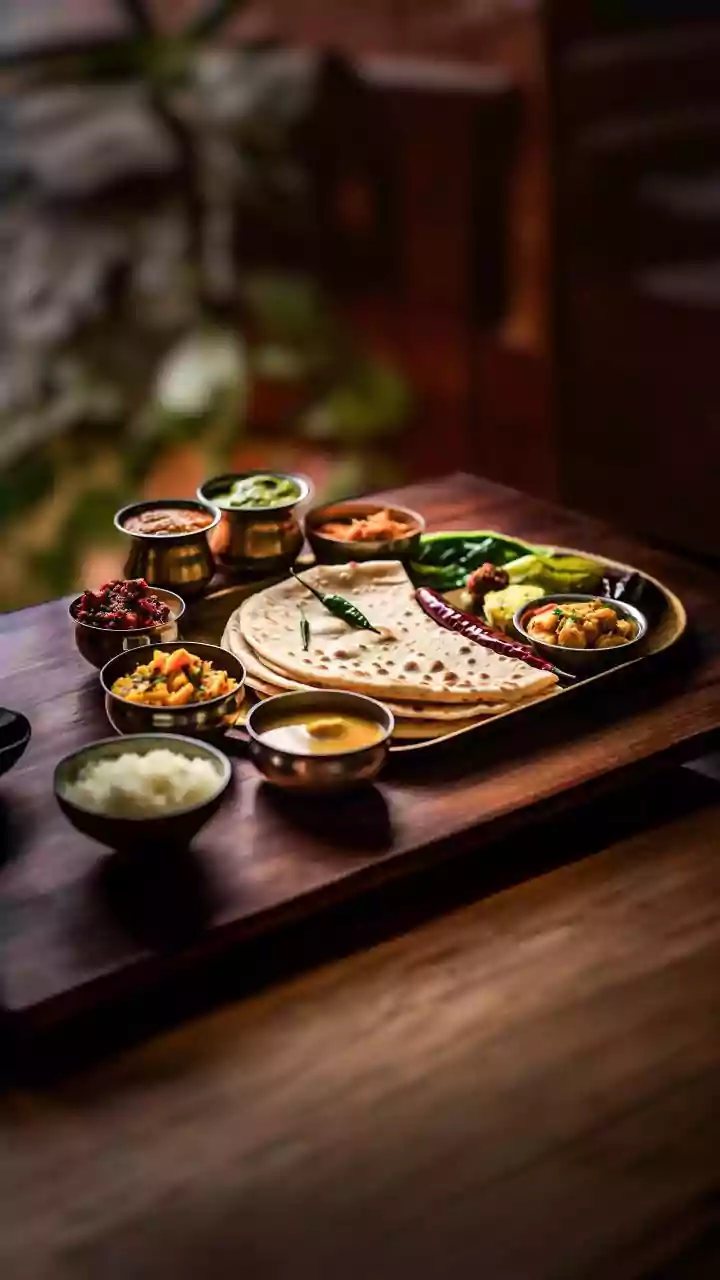
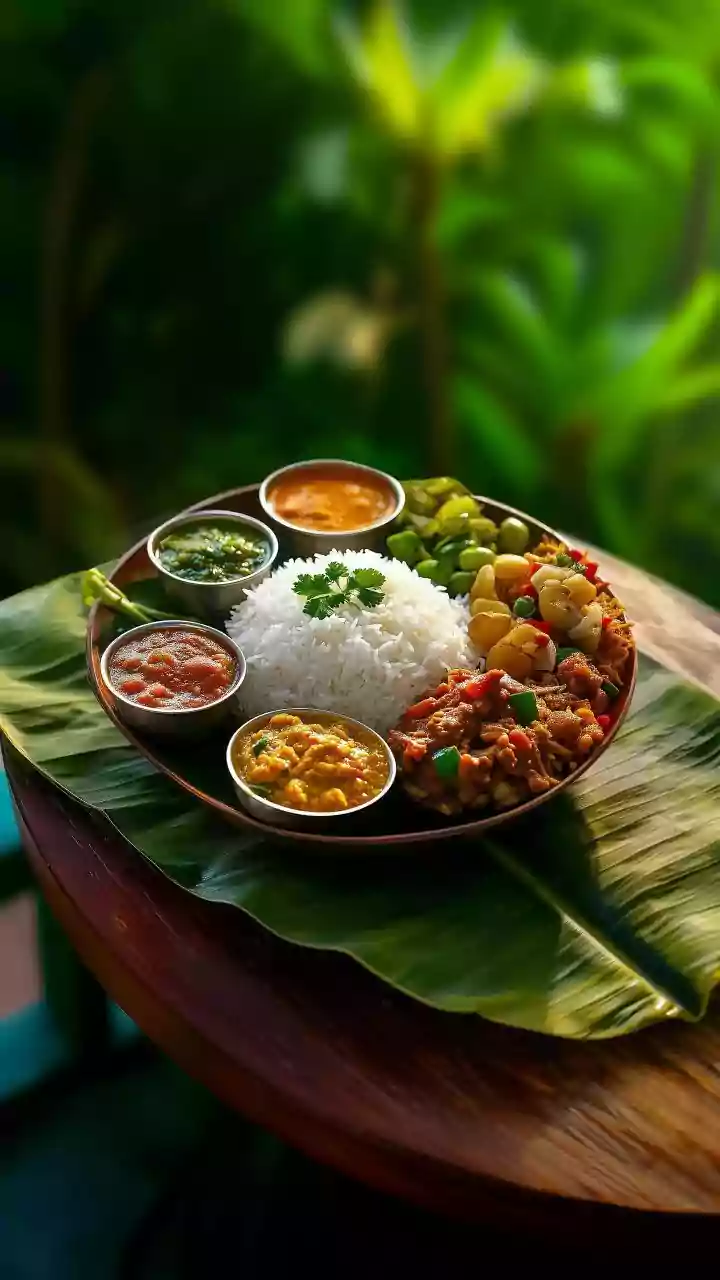
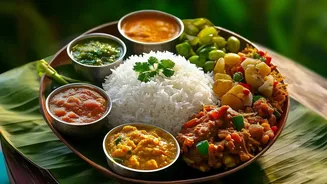
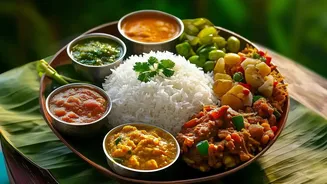
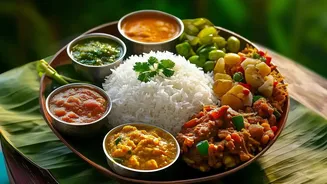
Putting this research into practice doesn't mean abandoning traditional meals. Instead, it’s about adjusting the proportions on your plate. A simple method is to visually divide your thali. Aim to fill half your plate with non-starchy vegetables like spinach, cauliflower, bell peppers, or lauki. One quarter should be your protein source—think a generous serving of dal, chickpeas, paneer, or curd. The final quarter is for carbohydrates, such as a small portion of brown rice or one or two rotis made from mixed grains. Prioritising protein and vegetables while reducing the mountain of rice or the stack of rotis is the key to creating a healthier, diabetes-friendly Indian meal that remains familiar and delicious.