



The Daily Product Dilemma
For many, the morning routine is a battle. You stand in front of the mirror, armed with an arsenal of styling products, trying to coax life into flat hair or tame unruly, bulky locks. Heavy styling products—like thick pomades, waxes, and strong-hold gels—promise
control and texture. And for a short while, they might deliver. But this reliance often creates a frustrating cycle. The more product you use, the more weighed down, greasy, or dull your hair can become. This leads to more frequent washing, which can strip natural oils, making your hair even more dependent on products to behave. It's an exhausting and often expensive process that doesn't always yield the 'effortless' look you were hoping for.
What is a Texturising Cut?
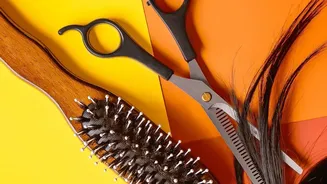
This is where a smart haircut changes the game. A texturising cut isn’t about a specific style, but a technique your stylist uses to create movement, remove bulk, and add dimension from within the haircut itself. Instead of just blunt-cutting the ends, a stylist uses methods like point cutting, slide cutting, or razoring to strategically thin out sections and soften edges. For thick, heavy hair, this technique removes weight, making it feel lighter and more manageable. For fine hair that tends to fall flat, texturising can create the illusion of volume and body, giving it a natural lift that products alone can't replicate. It’s essentially building the style directly into your hair's structure.
Built-in Movement and Shape
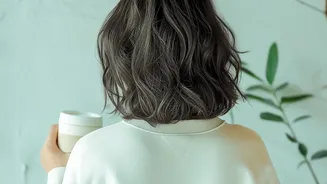
The primary benefit of a texturising cut is that it gives your hair built-in shape and flow. By removing excess weight and creating subtle variations in length, the hair is able to move more freely and naturally. Think of it as the foundation of your style. A well-executed texturising cut means you can wake up, and your hair already has a good shape and direction. It enhances your natural wave or curl pattern and prevents straight hair from looking stiff or helmet-like. This built-in structure dramatically reduces your reliance on heavy products to create definition. Instead of fighting against your hair’s natural state, the cut works with it.
The Downside of Product Overload
Relying too heavily on styling products comes with several drawbacks. Heavy products can build up on the scalp, potentially clogging hair follicles and leading to irritation, greasiness, and even flakes. They can also weigh hair down, especially fine hair, making it look limp and lifeless despite your best efforts to add volume. Over time, the constant cycle of applying product and washing it out with potentially harsh shampoos can leave your hair feeling dry, brittle, and dull. While a light texturising spray or foam can enhance a good cut, heavy products often mask the hair's natural beauty and health, creating a stiff or artificial finish.
Finding the Right Balance
This isn't to say all styling products are bad. The goal is to shift your dependency from heavy lifting to light finishing. With a great texturising cut as your base, you may only need a small amount of a lightweight product, like a salt spray or a light cream, to enhance what's already there. The cut does 90% of the work for you. The product becomes a final touch, not a necessary evil. The key is communication with your stylist. Instead of just asking for a certain length, talk to them about the texture you want to achieve. Mention if your hair feels too heavy, too flat, or if you're tired of using a lot of product. A skilled stylist can use texturising techniques to address these issues, setting you up for easier, healthier, and better-looking hair long after you leave the salon.